


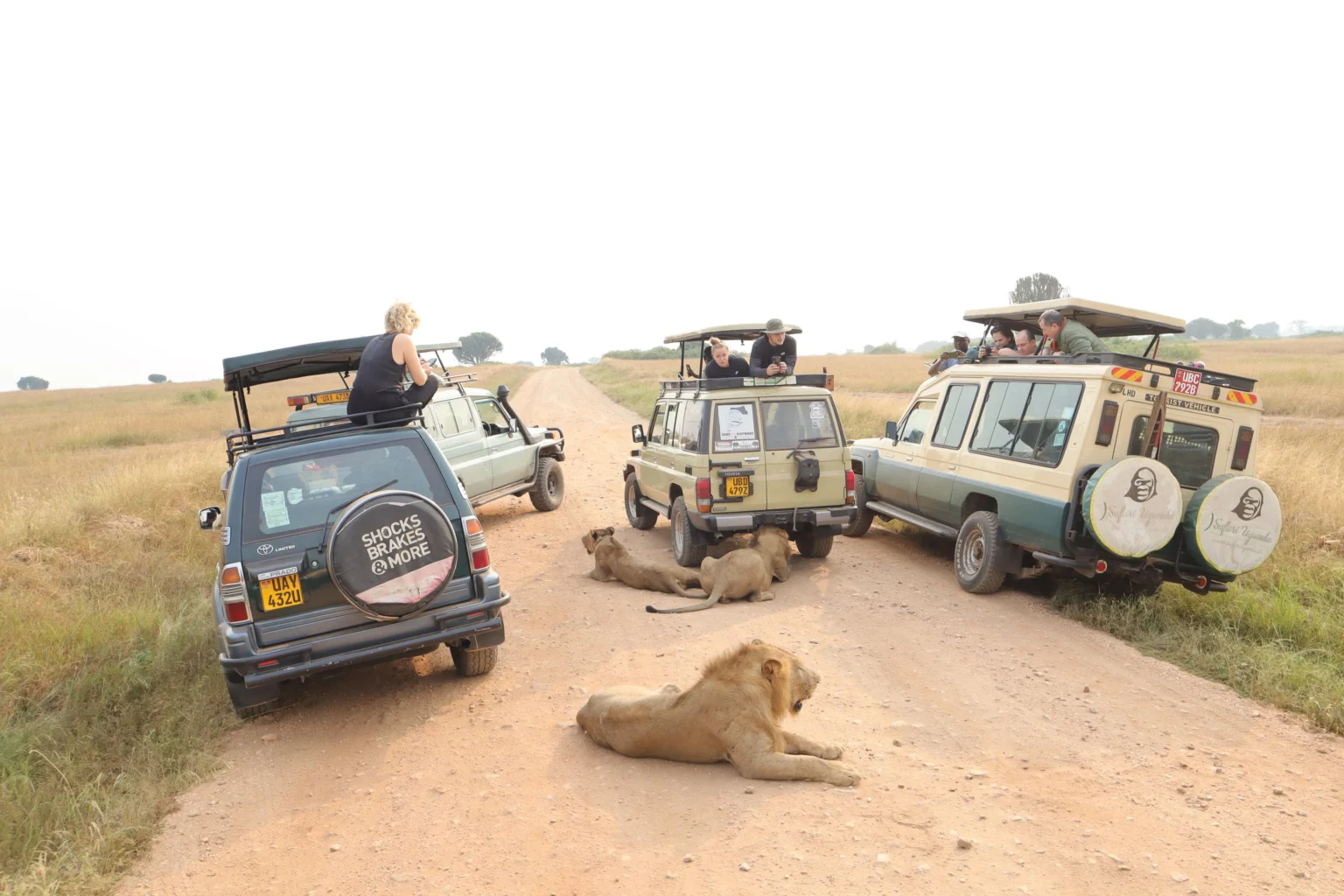
KAMPALA, Uganda — After more than two years of damaging restrictions, the United Kingdom officially lifted its travel advisory against Queen Elizabeth National Park and Semuliki National Park on December 2, 2025.
The long-awaited decision reverses a major impediment that had quietly eroded British tourist arrivals to Uganda’s western safari circuit since 2023.
For Uganda’s tourism stakeholders, the announcement from the Foreign, Commonwealth & Development Office (FCDO) was met with resounding relief and celebration.
The advisory had been the last major restriction maintained by a key source market following an isolated incident in 2023, despite the swift stabilization of on-the-ground security.
The economic impact of a two-year restriction
The FCDO’s previous restrictions had a profound economic impact. Tourism contributed approximately US$1.28 billion to Uganda’s economy in 2024 and supported over 800,000 jobs.
However, with British travellers, historically a strong and reliable market, forced to postpone plans, many businesses reported sharp declines in bookings and reduced revenues.
For UK travellers, the advisory meant the invalidation of standard travel insurance and the exclusion of iconic parks from tour itineraries. For Ugandan businesses—from lodge owners and safari guides to community conservation groups—the FCDO update represents an essential lifeline.
A christmas miracle and the power of advocacy
The lifting of the advisory follows months of high-level diplomatic efforts and advocacy from industry leaders.
Amos Wekesa, founder and CEO of Great Lakes Safaris, hailed the news as a “Christmas miracle,” describing it as a pivotal moment.
“This decision follows countless engagements with President Museveni, the British High Commissioner to Uganda, Lisa Chesney, and Uganda’s Mission in the UK led by Patricia Kabuleta,” Wekesa said.
Wekesa and others have long argued that advisories must be regularly reviewed and contextualized to reflect actual risk, emphasizing that Uganda has remained one of East Africa’s safest destinations.
The African Tourism Board (ATB) also applauded the UK for its reassessment. Chairman Cuthbert Ncube highlighted that travel warnings are often triggered by singular incidents that do not represent long-term risks.
“I am happy the UK Foreign Office corrected this advisory,” Ncube said, noting that the update will help Uganda rebuild momentum in marketing initiatives.
Local operators celebrate the return of tourists
The news resonated powerfully among the small and medium-sized tourism operators reliant on British visitors. Kayima Ashiraf, proprietor of Car Rental in Uganda, expressed overwhelming joy.
Also Read: Kenyan tour agents visit Uganda to promote regional tourism opportunities
“This is the news we were longing for. The British are among the travellers who visit Uganda the most — this is a great stride for the tourism sector,” Ashiraf noted.
The relief is universal, extending to safari guides and lodge owners in the Rwenzori Region who can now welcome back travellers whose itineraries were previously rerouted away from the western circuit.
As one safari operator, Makonzi Michael Kiwanuka of Go Gorilla Trekking Ltd, put it: “Uganda has been ready for a long time. Now the world can come back.”
Rediscovering Uganda’s iconic western circuit
The FCDO’s decision opens the door for travellers to safely rediscover two of Uganda’s most remarkable protected areas:
- Queen Elizabeth National Park: The vast, 1,978 square kilometer park is arguably Uganda’s most diverse landscape, featuring savannah, forests, and crater lakes. It is globally famous for its tree-climbing lions in the Ishasha sector and the abundant wildlife along the Kazinga Channel.
- Semuliki National Park: Tucked beneath the Rwenzori Mountains, this park is a birder’s paradise, offering unique Central African species. Its famed Sempaya hot springs and sweeping views over the Rift Valley make it a vital ecological and tourist asset.
The lifting of the advisory is not just a return to business; it is a reaffirmation of global trust in Uganda’s security and its conservation efforts, which depend heavily on the continued flow of international visitors.