





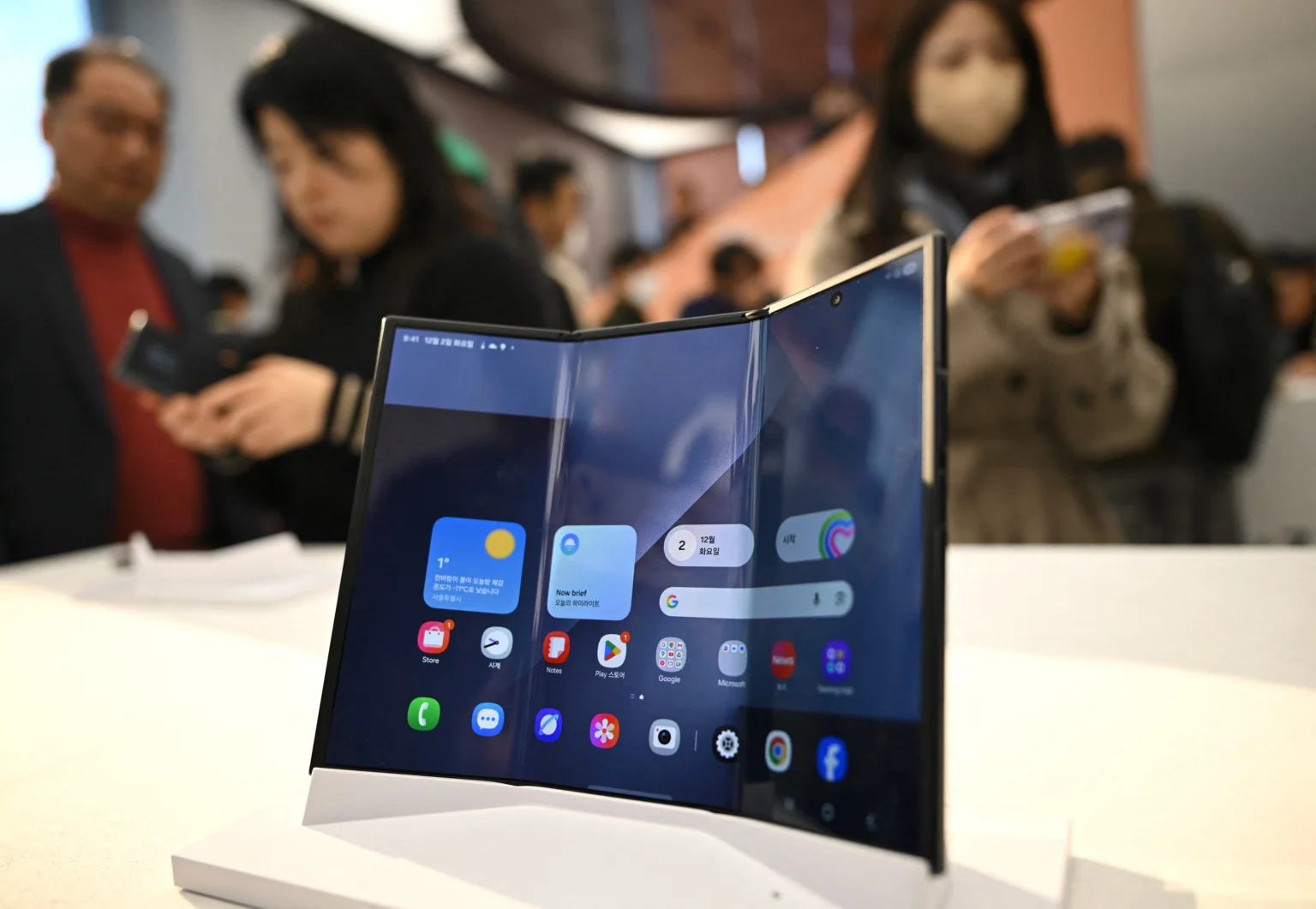
SEOUL, South Korea — Samsung Electronics has officially entered the multi-folding era, unveiling its first-ever triple-panel smartphone, the Galaxy Z TriFold, on Tuesday, December 2. The launch represents a strategic push to solidify Samsung’s dominance in the premium foldable market, a sector facing intensifying pressure from aggressive Chinese competitors.
The Galaxy Z TriFold is designed to bridge the gap between smartphones and tablets. With a premium price tag of approximately $2,440.17, the device features a unique three-panel design that unfolds into a massive 253.1-millimeter (10-inch) display.
This expansive screen is nearly 25% larger than Samsung’s current dual-folding flagship, the Galaxy Z Fold 7. To support such a large display, the device is equipped with the largest battery ever found in a Samsung flagship model, featuring super-fast charging technology capable of powering the phone to 50% in just 30 minutes.
Strategic niche and market growth
While industry analysts caution that high production costs and engineering challenges will likely keep multi-foldables as a niche category for now, Samsung views the device as a statement of innovation.
Alex Lim, Samsung Electronics Executive Vice President and head of the Korea Sales & Marketing Office, highlighted the device’s role in the broader ecosystem:
“I believe the foldable market will continue to grow… The TriFold in particular could act as a catalyst that drives more explosive growth in key parts of the segment.”
Read Also: Will your next iPhone cost more? Apple weighs price increase
Lim noted that the new device is positioned for customers specifically seeking this form factor, rather than serving as a mass-volume driver.
Global rollout plan
Produced in South Korea, the Galaxy Z TriFold is set to hit domestic shelves on December 12.
Samsung plans a rapid expansion to key international markets, including China, Singapore, Taiwan, and the United Arab Emirates, within the year.
North American consumers will have to wait slightly longer, with a US launch expected as early as the first quarter of next year.
