


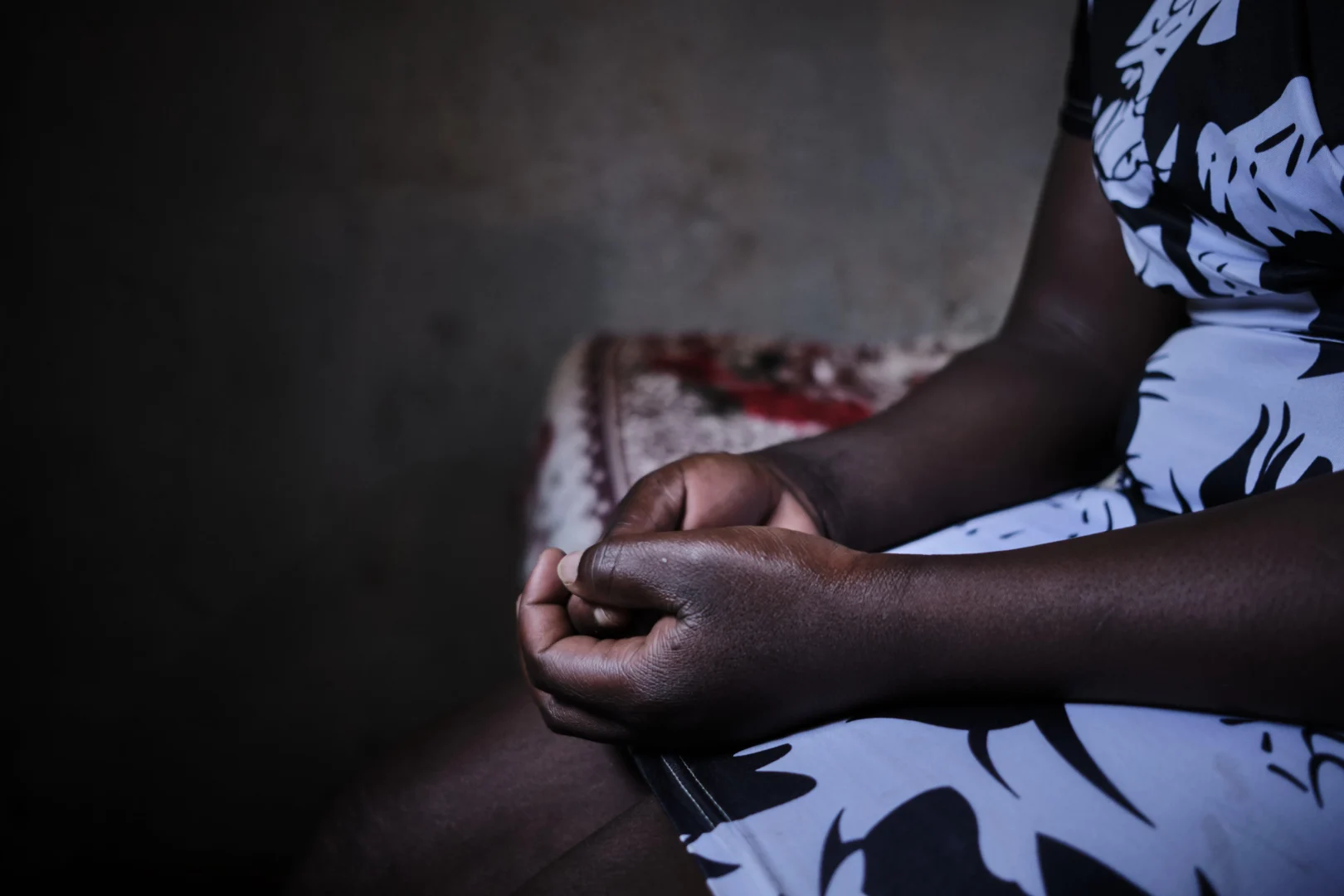
SOROTI, Uganda — Community leaders in Soroti City, eastern Uganda, have raised the alarm over a disturbing rise in commercial sex involving secondary schoolgirls, some reportedly engaging in the practice for as little as Shs 1,000. They warn that the trend is worsening an already critical HIV/Aids situation in the region.
According to the 2024 Uganda AIDS Commission report, Soroti’s HIV prevalence rate has reached 12.5 per cent, now the second highest nationwide after Fort Portal’s 13.5 per cent. The figure is more than double the national average of 5.1 per cent, underscoring the severity of the crisis.
Speaking during the annual general meeting at Soroti Secondary School on Saturday, Sheikh Obilan Abubakar Umar, the Regional Assistant Mufti (RAM) for Teso–Karamoja, revealed that authorities have mapped at least 120 “hot spots” associated with commercial sex in the city. These include areas where schoolgirls are allegedly selling sex for between Shs 1,000 and Shs 2,000.
“This is very detrimental to our culture, religion, the Teso sub-region, and Uganda at large,” Sheikh Obilan said.
He strongly criticised parents who marry off their underage daughters, arguing that such actions rob girls of their right to education and expose them to lifetime vulnerability.
“I have been reliably informed of a Muslim parent with a senior two daughter who wants to marry her off and is actively searching for a man. Such parents should be reported immediately, and the law must take its course,” he warned.
Sheikh Obilan urged communities to remain vigilant against the sexual exploitation of minors, whether through commercial sex or forced marriages.
He condemned parents who treat their daughters as a source of household income, noting that some deliberately send girls to school without meeting their basic needs, forcing them into survival-driven behaviours that violate cultural and moral values.
According to the cleric, such neglect is contributing to deeper emotional and psychological harm.
“Uganda is doomed if we have future parents who grow up without mentorship,” he said, describing the situation as a form of “parental absenteeism.”
Also Read: Kenya launches investigation after BBC documentary exposé on child sex trade
Beyond the HIV/Aids threat, Sheikh Obilan highlighted other major health concerns affecting the Teso sub-region, including cervical cancer and a growing burden of sickle-cell disease. He noted that Teso now ranks second nationally in sickle-cell prevalence, behind Lango.
“The disease is growing rapidly in Teso. We need to fight the trend fraternally,” he said.
He added that the Uganda Muslim Supreme Council regional office is leading a campaign to combat sickle-cell disease through mass testing, counselling, and pre-marital screening.
The RAM encouraged parents to undergo testing and recommended that schoolgirls be screened to understand their carrier status. He also announced plans to establish a dedicated sickle-cell clinic in Soroti City.
