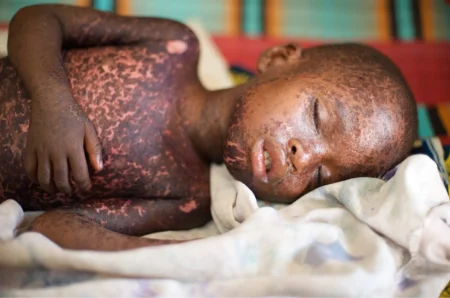



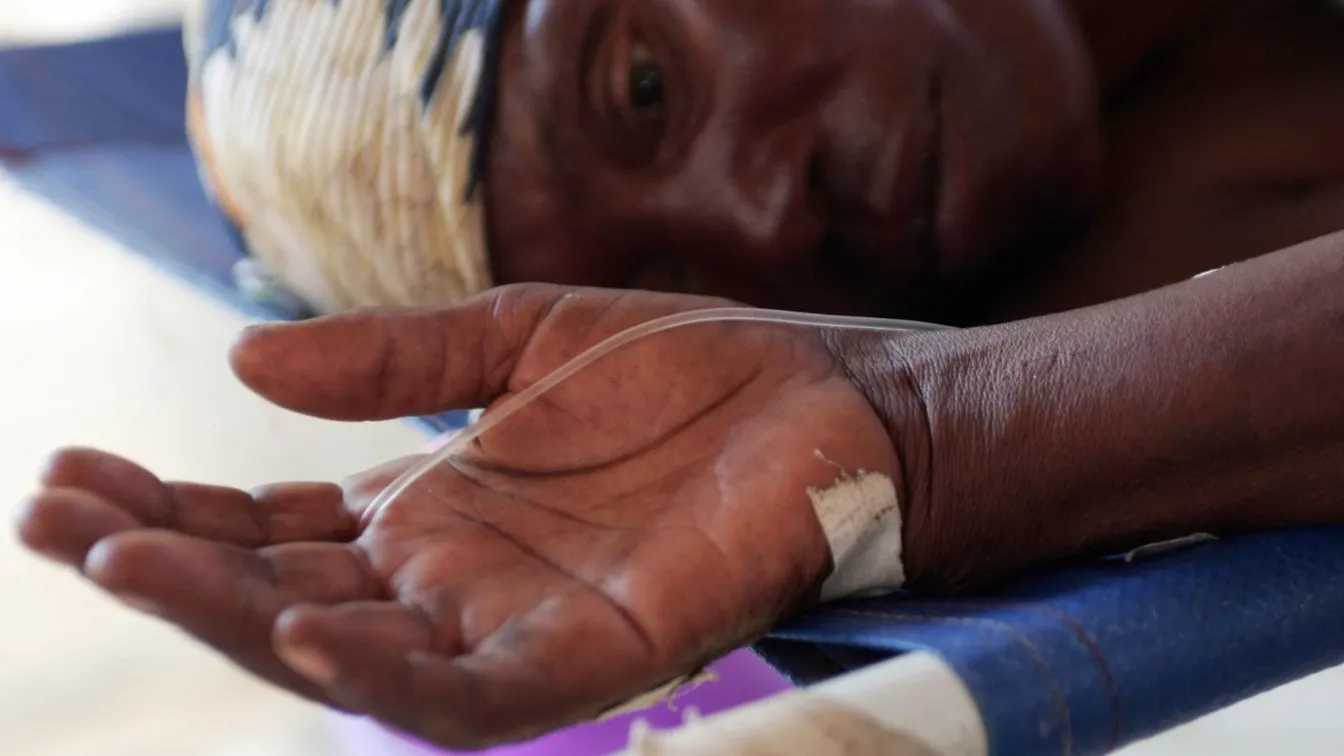
NAIROBI, Kenya — Africa is grappling with its most severe cholera outbreak in more than two decades, with cases reported this year surging to three times the levels recorded in 2022.
Health agencies warn the crisis is spiraling rapidly, overwhelming public health systems already strained by economic challenges, climate shocks, and population displacement.
According to regional health authorities and international responders, cholera cases have now surpassed 300,000 infections with more than 7,000 deaths recorded across multiple nations.
The outbreak has affected nearly every region of the continent, with East, Central, and Southern Africa reporting the highest caseloads.
Cholera cases spike across the continent
The Africa Centres for Disease Control and Prevention (Africa CDC) says transmission has risen sharply since mid-2025, driven by heavy rains, flooding, and deteriorating sanitation infrastructure in several countries.
Nations experiencing significant flare-ups include Malawi, Mozambique, Zimbabwe, Zambia, Tanzania, Nigeria, South Sudan, and the Democratic Republic of Congo (DRC).
In Malawi and Mozambique, communities are still recovering from tropical storms earlier in the year that damaged water systems and forced thousands into crowded emergency shelters, ideal conditions for rapid cholera spread.
In East Africa, Tanzania and South Sudan have reported notable spikes, while Kenya has issued heightened surveillance alerts in border counties.
Also Read: Cholera outbreak in Uganda rises to 67
Why cholera is surging: A perfect storm of vulnerabilities
Health experts attribute the scale of the outbreak to a convergence of structural and environmental weaknesses:
1. Failing water and sanitation systems
Large urban settlements, informal slums, and rural communities alike struggle with inconsistent access to clean water.
Improvised drainage systems, broken sewage networks, and widespread open defecation heighten contamination risks.
2. Climate-driven flooding
Intense rainfall events, intensified by climate change, have contaminated rivers, boreholes, and water pans across the region.
Several countries report that floods destroyed critical water infrastructure, forcing communities to source water from unsafe supply points.
3. Strained health systems
Many health systems across the continent remain under-resourced. Shortages of rehydration salts, IV fluids, antibiotics, and emergency beds have been reported in multiple districts hit by the outbreak.
4. Displacement and conflict
In countries like the DRC, Sudan, and South Sudan, conflict has displaced hundreds of thousands of people into crowded camps where sanitation is inadequate.
Governments and health agencies race to contain spread
Governments, together with WHO, Africa CDC, UNICEF, and MSF, are rolling out aggressive response measures, including:
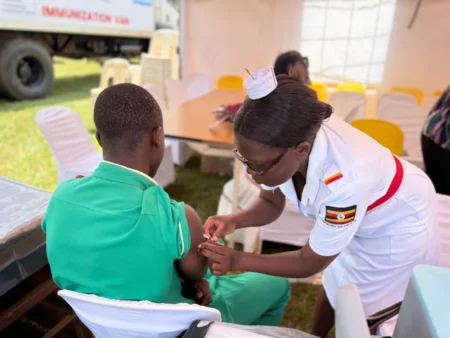
- Mass vaccination drives targeting high-risk communities.
- Distribution of chlorine tablets and water purification supplies.
- Rehabilitation of boreholes and latrines.
- Deployment of emergency health workers to overwhelmed districts.
- Public hygiene campaigns encouraging handwashing, safe food preparation, and water boiling.
However, responders warn these efforts may not be enough without long-term investment in water and sanitation systems.
“We cannot vaccinate our way out of crumbling infrastructure,” one regional health official told Vivid Voice News. “Unless governments address systemic failures, outbreaks like this will continue to return with deadly force.”
Impact on daily life and regional economies
The outbreak has disrupted schooling, forced temporary closures of markets in affected hotspots, and increased the financial burden on households that must now buy treated water or pay for medical care out-of-pocket.
In fishing communities along Lake Malawi and Lake Tanganyika, authorities have restricted shoreline activities, affecting livelihoods.
Meanwhile, cross-border travel checkpoints between Malawi–Mozambique and Zambia–DRC have been reinforced with health screenings.
A call for continental action
Humanitarian groups argue that Africa’s current cholera crisis should be treated as a continental emergency requiring coordinated action.
WHO’s regional office has issued repeated warnings that the current trajectory is unsustainable.
Experts say without significant investment in safe water access, waste management, and urban planning, cholera outbreaks could become more frequent and more devastating.
As the rainy season continues in several parts of the continent, health officials fear the numbers may rise further before the outbreak stabilizes.