


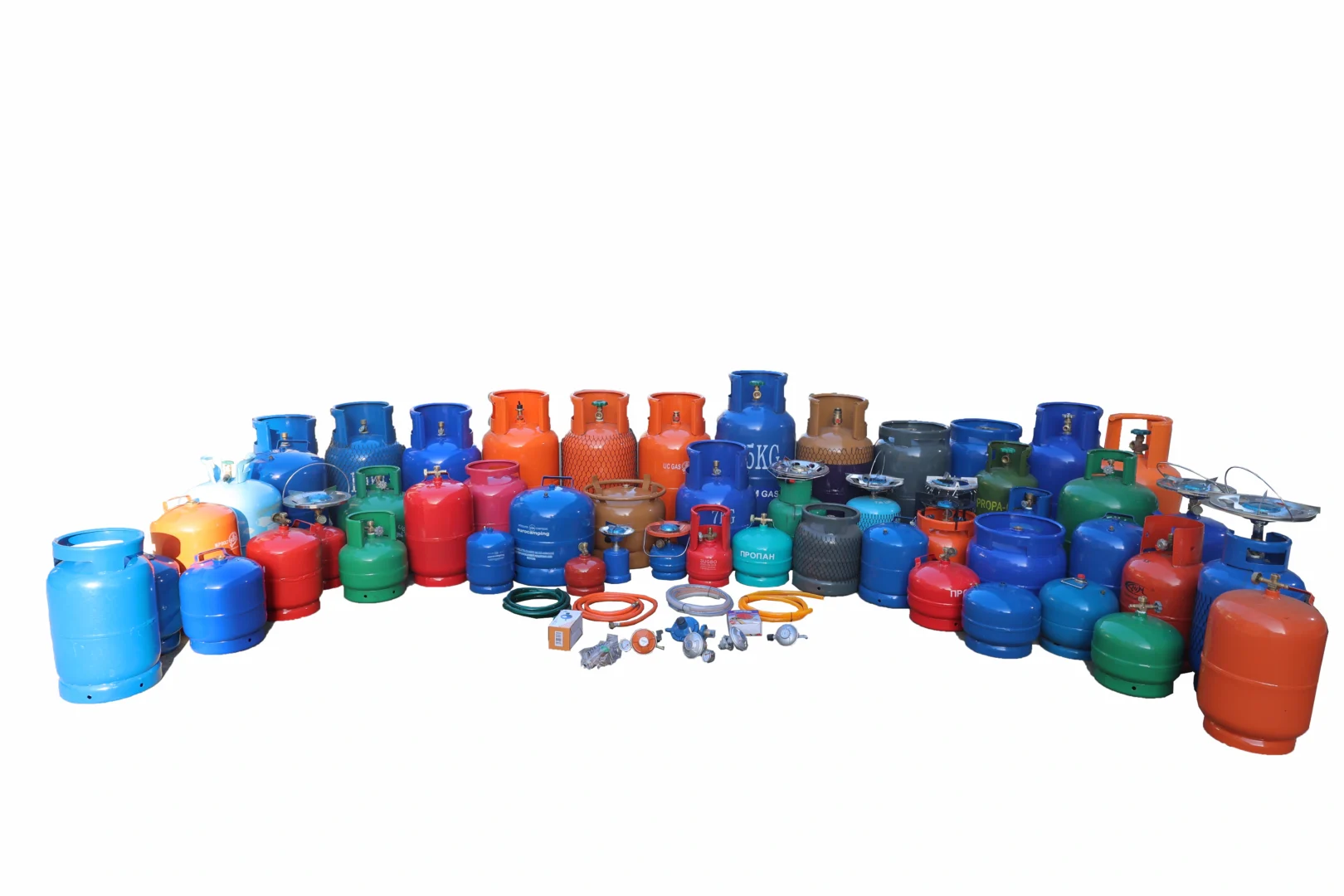
NAIROBI, Kenya — An attempt to introduce a competitive importation system for cooking gas, intended to significantly lower consumer prices, has been derailed after a key parliamentary committee rejected the necessary regulations.
The push to establish an Open Tender System (OTS) for importing Liquefied Petroleum Gas (LPG) was obstructed when the National Assembly Committee on Delegated Legislation annulled the draft laws that would have facilitated the new pricing structure.
Reasons for annulment
The committee formally rejected the Petroleum (Operation of Common Petroleum Facilities) Regulations, 2025, citing procedural and legislative breaches.
The primary reasons for the committee’s decision were twofold:
- Late tabling: The legal notices containing the regulations were tabled in Parliament outside the legally stipulated timeframe.
- Lack of consultation: The committee determined that there was a failure to conduct public participation in the formulation of the laws.
The committee subsequently recommended that the House annul the regulations in their entirety based on these procedural flaws.
Impact of the derailment
The rejected regulations were designed to restructure Kenya’s gas importation and distribution sector.
Also Read: Kenyan consumers face exorbitant cooking gas prices despite tax cuts, OMCs under scrutiny
Their adoption would have implemented several consumer-friendly measures, including:
- Common user facilities: Designating existing private cooking gas handling terminals as common-user facilities.
- Price regulation: Authorizing the energy regulator to set tariffs for the handling and storage of LPG, and subsequently, to set both retail and wholesale prices for cooking gas.
- Lowest price imports: Introducing the OTS model, a system where the tender to ship petroleum products is awarded to the bidder offering the lowest price, theoretically guaranteeing the cheapest possible import cost for the commodity.
The rejection means that the State cannot yet implement these price control and supply competition mechanisms aimed at making cooking gas more affordable to households.
