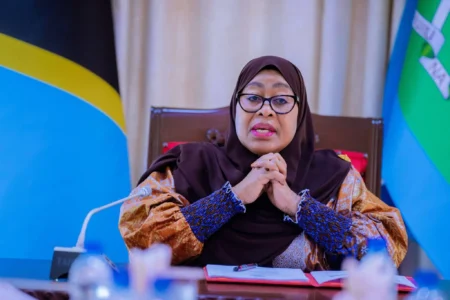



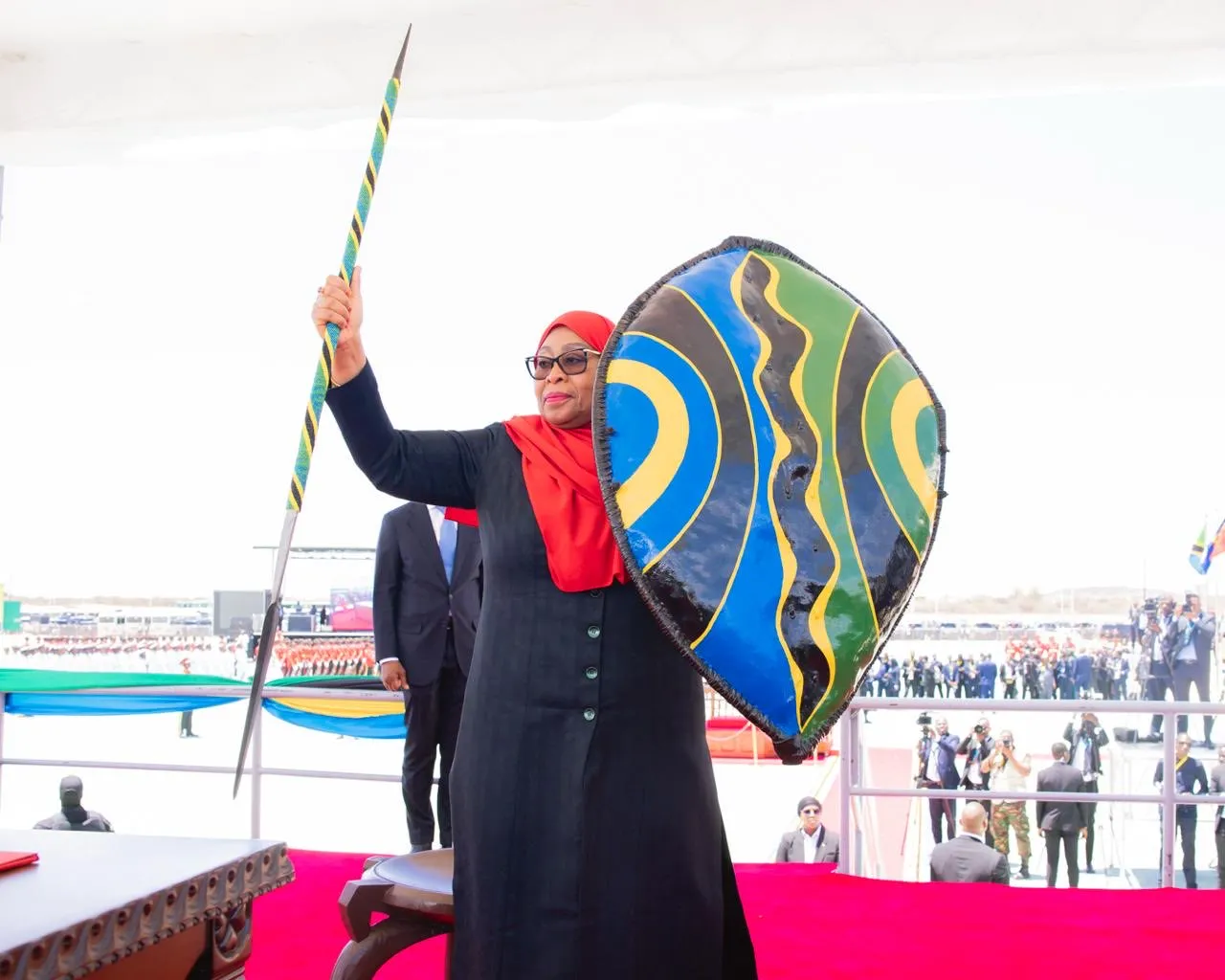
DODOMA, Tanzania — The recent political developments in Tanzania have upended the once-hopeful narrative surrounding President Samia Suluhu Hassan, who was widely hailed as a pragmatic reformer and a symbol of progress for women in African leadership.
Having assumed office in 2021 following the sudden death of her predecessor, John Pombe Magufuli, without a popular mandate, Samia Suluhu Hassan, 65, initially projected an image of moderation and inclusion.
However, as her administration tightened control over opposition parties, media, and civic space, that image has steadily given way to accusations of “soft authoritarianism” — the practice of consolidating power under the guise of democratic order.
For a country long considered one of East Africa’s most stable democracies, Tanzania’s trajectory under Suluhu now offers a sobering study in how modern autocrats entrench themselves — not through overt brutality, but through calculated legal, institutional, and rhetorical manoeuvres.
The strategy of eliminating competition: A pre-election purge
A key feature of Suluhu’s political strategy has been the systematic neutralization of viable opposition — a process that all but guarantees victory before votes are cast.
In the months leading up to the disputed 2025 general election, the government weaponized the law against opponents, echoing patterns seen in Rwanda and Uganda where “lawfare” is used to maintain control under democratic pretence.
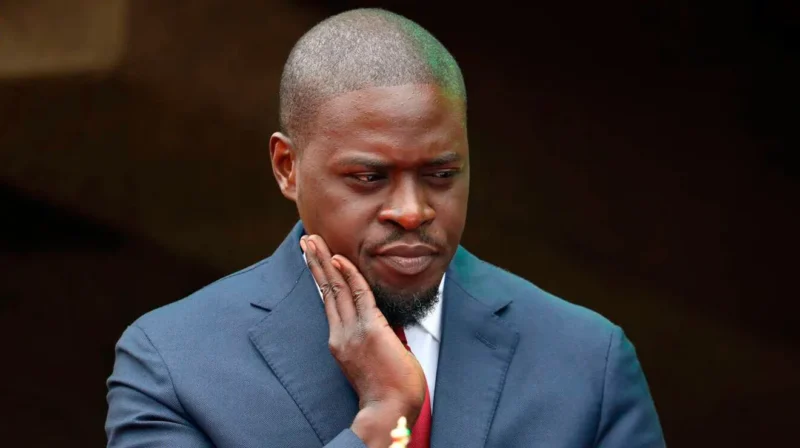
Tundu Lissu, the main opposition leader from the Chama cha Demokrasia na Maendeleo (CHADEMA) party, was arrested and charged with treason after demanding constitutional reforms — a non-bailable offense that effectively excluded him from the race.
Luhaga Mpina, another leading challenger, was disqualified by the electoral commission on procedural grounds widely viewed as politically motivated.
Opposition rallies were restricted, journalists detained, and digital spaces monitored under broad “cybersecurity” laws.
With her most credible rivals removed or silenced, Suluhu secured over 98% of the vote — a margin more typical of one-party states than functioning democracies.
CHADEMA and several civil society groups have since dismissed the election as a “carefully choreographed coronation.”
The authoritarian pivot: From reformist promises to repressive practice
When President Suluhu first took office, her early reforms earned applause both at home and abroad.
She lifted bans on political gatherings, reopened shuttered media outlets, and launched a task force on political reconciliation.
Diplomats in Dar es Salaam praised her for “restoring democratic oxygen” after years of Magufuli’s “hardline rule.”
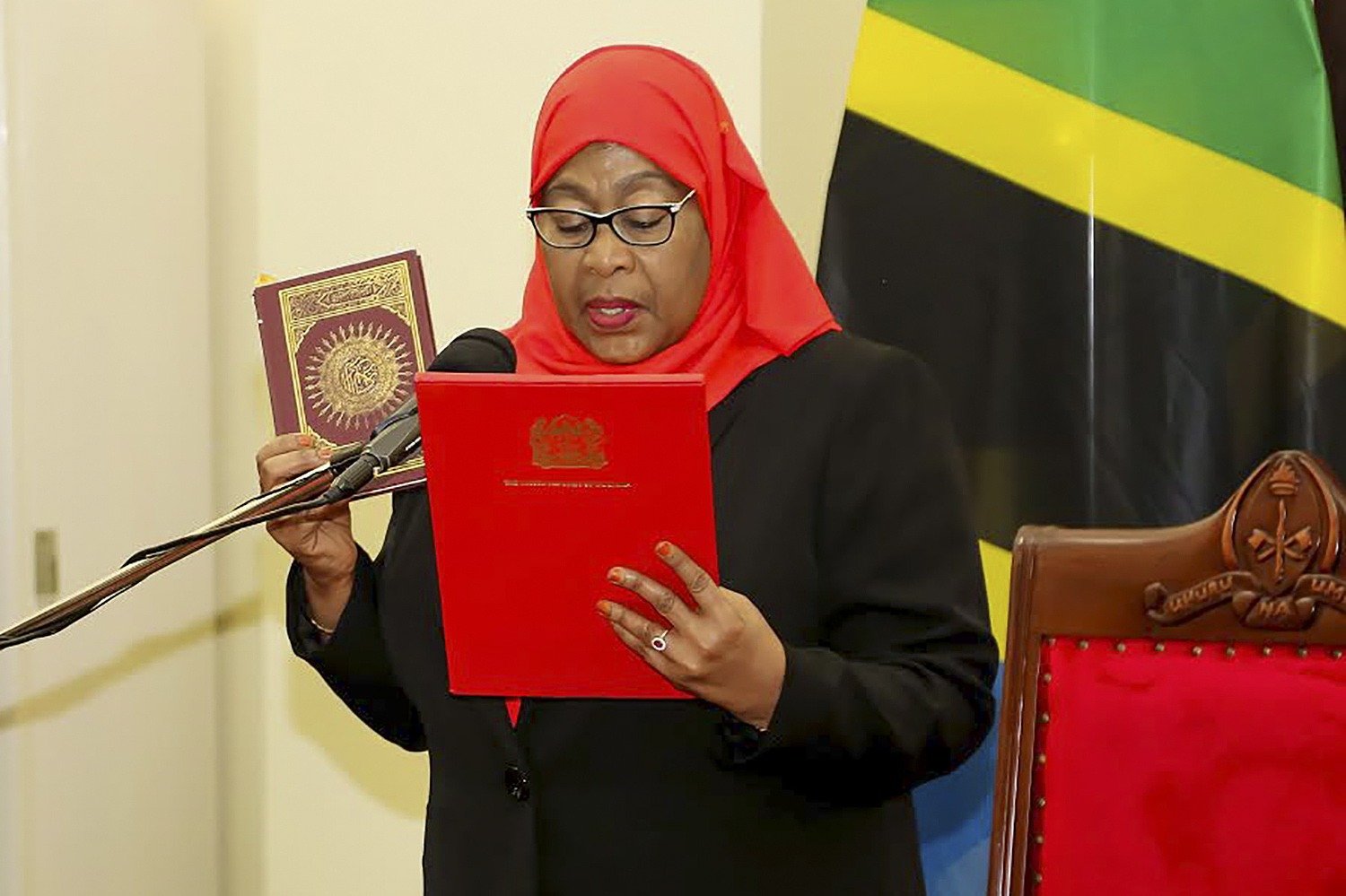
Yet critics now argue this was a calculated performance of reform — a charm offensive aimed at Western donors, the International Monetary Fund (IMF), and the European Union (EU), whose financial support remains critical to Tanzania’s economy.
As the 2025 polls approached, this brief liberalization evaporated.
Reports from Amnesty International, Human Rights Watch, and the Tanzania Human Rights Defenders Coalition documented a sharp return to repression:
- Dozens of activists and opposition agents were detained.
- Social media platforms were intermittently restricted.
- News outlets faced warnings against “inciting unrest.”
The rhetoric also hardened. Terms like “foreign interference” and “national stability” replaced “dialogue” and “reform.”
Observers say this reflects a deliberate recalibration — maintaining just enough openness to appease international audiences while ensuring domestic dissent remains safely contained.
Rejecting external scrutiny: The sovereignty shield
After international observers from the Southern African Development Community (SADC) and the European Union (EU) criticized the 2025 polls as deeply flawed, President Suluhu fired back.
Echoing the language of past African strongmen, she declared that Tanzania “will not be dictated to by foreign entities.”
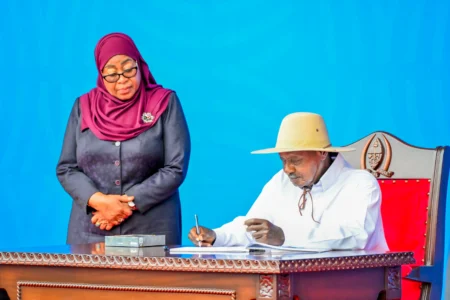
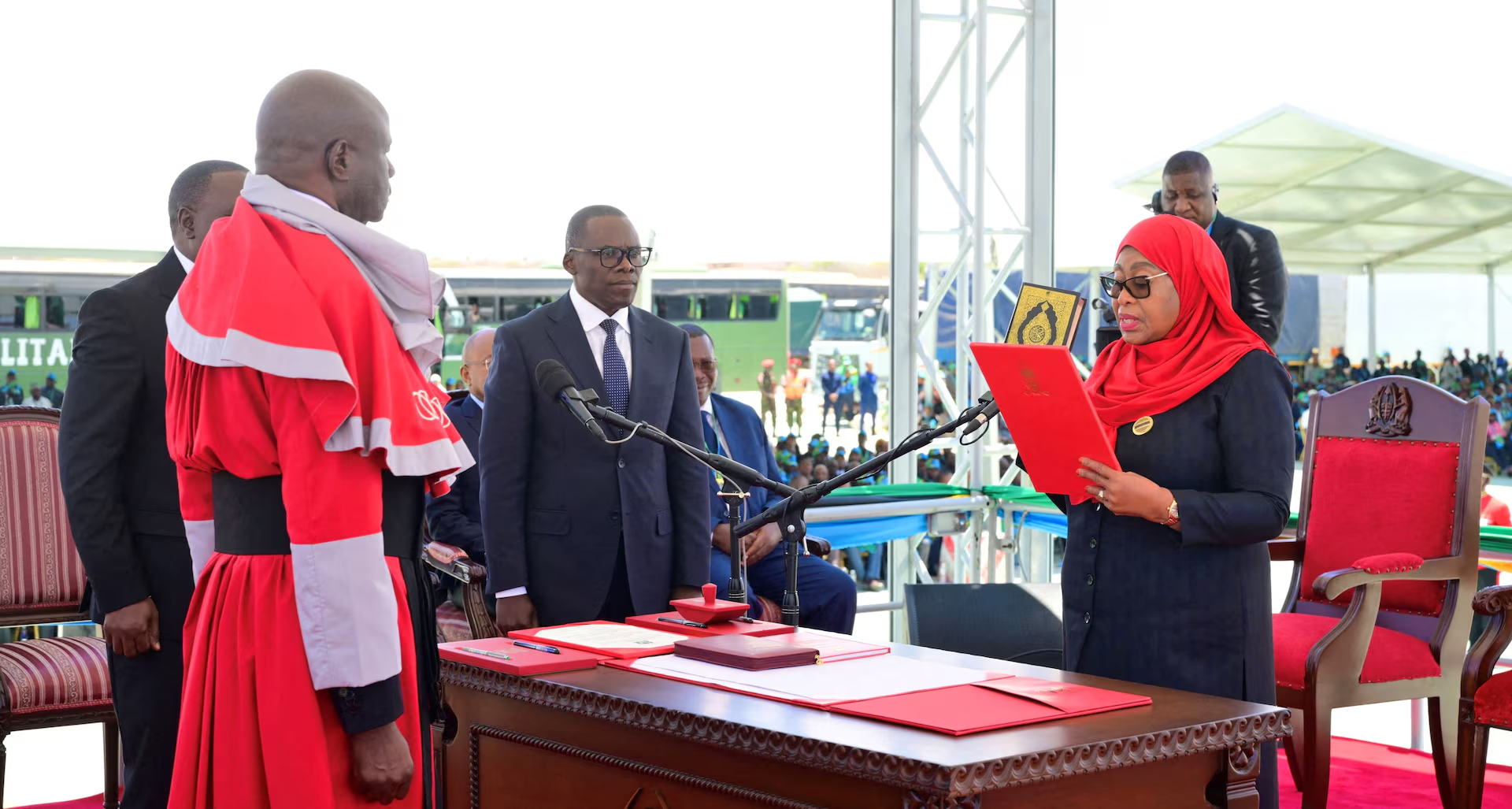
Her remarks — delivered during a tightly controlled inauguration ceremony at a military base in Dodoma, rather than a public stadium — signaled a full embrace of the sovereignty narrative used by leaders such as Uganda’s Yoweri Museveni and Zimbabwe’s Emmerson Mnangagwa to deflect accountability.
By framing criticism as external meddling, the administration achieved three key objectives:
- Insulation from accountability: Deflecting scrutiny over electoral malpractice.
- Manufactured patriotism: Casting the opposition as “foreign agents” undermining national unity.
- Normalization of state force: Justifying curfews, military deployment, and media blackouts as “security measures.”
Human rights organizations documented dozens of arrests following protests in Dar es Salaam, Arusha, and Mwanza. Yet the government defended its actions as necessary “to preserve peace.”
Tanzania’s regional balancing act
Despite mounting criticism, President Suluhu continues to command respect within the East African Community (EAC) and the African Union (AU), where her leadership is often portrayed as stabilizing.
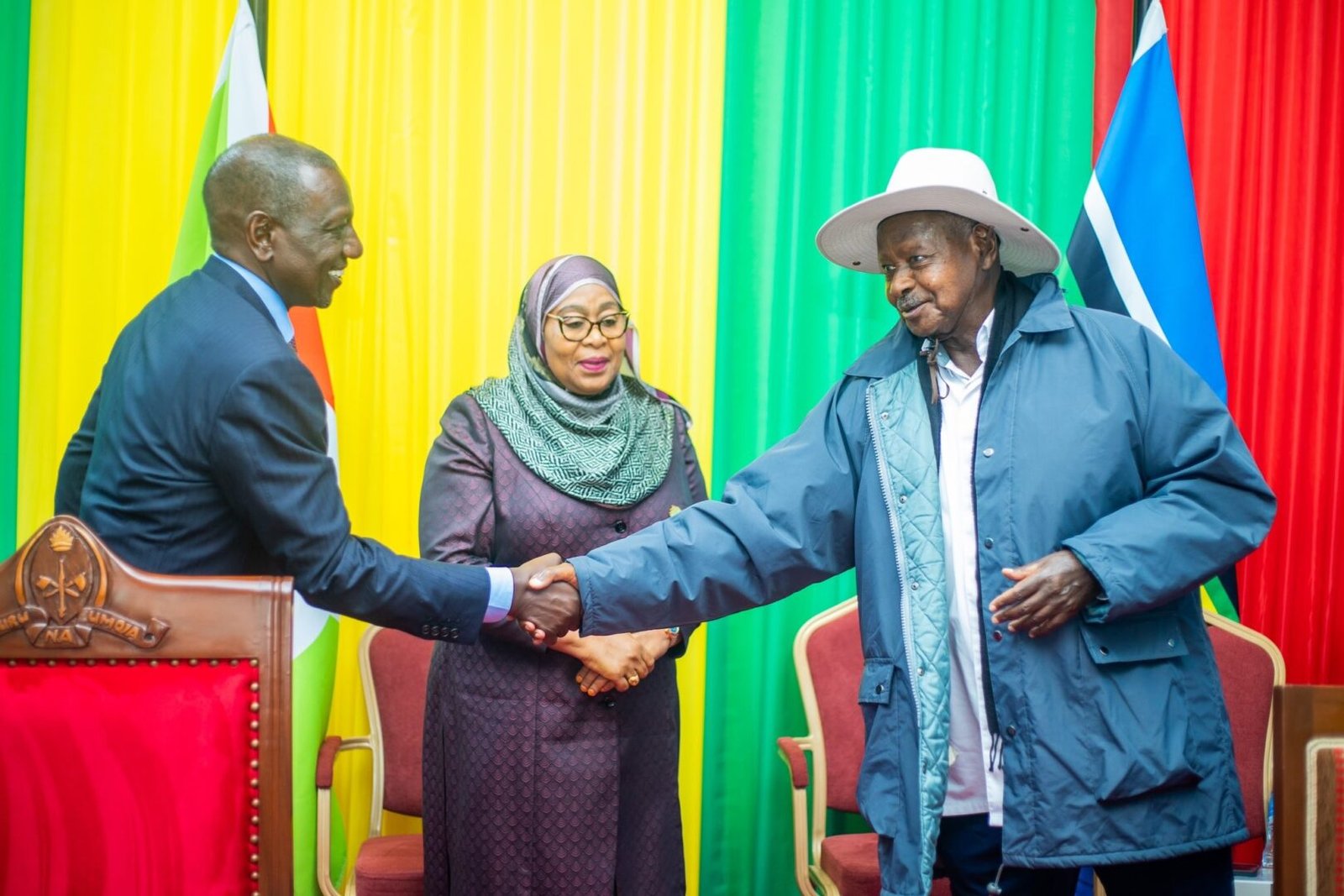
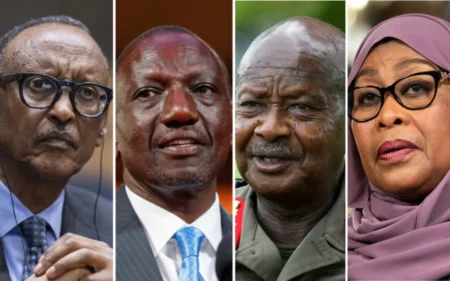
Diplomats say her government maintains strong ties with Kenya and Uganda, championing regional infrastructure projects such as the Standard Gauge Railway (SGR) and the East African Crude Oil Pipeline (EACOP).
Also Read: Uganda’s President Museveni congratulates Tanzania’s Samia Suluhu for re-election victory
This diplomatic pragmatism — combining repression at home with cooperation abroad — has made Tanzania a model for what analysts call “polished authoritarianism.”
Political observers describe Suluhu’s governing style as “authoritarianism with a velvet glove” — projecting calm and consensus while maintaining firm control behind the scenes.
International reaction: Diplomacy meets disillusionment
The international community’s response to Tanzania’s democratic backsliding under Suluhu has been deeply divided — reflecting the tension between diplomatic engagement and human rights accountability.
While global powers pursue cautious engagement to preserve economic and security ties, regional observer missions, human rights bodies, and the European Parliament have been far more direct in their condemnation.
Also Read: Kenya’s President Ruto congratulates Tanzania’s Samia Suluhu Hassan for election win
This duality highlights the challenge of confronting Suluhu’s “respectable authoritarianism” — a system that courts foreign investment while using domestic institutions to silence critics.
Regional and civil society condemnation: Refusing legitimacy
- SADC Observer Mission: Its preliminary report cited major irregularities and intimidation. The Tanzanian government dismissed the findings as “external interference,” directly challenging SADC’s credibility.
- Human rights bodies: Amnesty International and a UN panel documented a “systematic pattern of enforced disappearances, arbitrary arrests, torture, and extrajudicial killings.” The UN called for an impartial investigation into deaths linked to post-election violence.
- Opposition boycott: CHADEMA and allied groups rejected the results, declaring that “no genuine election took place in Tanzania.”
Western powers and the European Parliament: Growing pressure
- European Parliament: Members declared the election “neither free nor fair,” stressing that the fraud was “a planned process” aimed at excluding opposition. “Silence is not neutrality — it is complicity,” they warned.
- United States and Development Partners: The U.S. and others expressed concern while balancing engagement and values. They now emphasize the need for the rule of law, human rights, and meaningful political competition — warning of potential aid conditionality if repression persists.
The African Union: Walking a diplomatic tightrope
- Congratulation and concern: The AU congratulated Suluhu on her victory but expressed “deep regret” over the deaths during post-election protests.
- Call for rights: It urged Tanzanian authorities to safeguard freedoms of assembly and expression — a careful effort to balance recognition with accountability.
The mask slips
The 2025 general election and its aftermath mark a decisive turning point.
The optimism that accompanied President Samia Suluhu Hassan’s rise to power has been replaced by disillusionment. Her governance model — built on controlled pluralism, managed legality, and appeals to sovereignty — represents a modernized form of autocracy in East Africa.
Tanzania’s experience illustrates a broader continental trend: regimes that sustain authoritarian control not through overt repression alone, but through legal manipulation, institutional dominance, and international charm diplomacy.
As one academic in Dar es Salaam put it: “Tanzania hasn’t returned to dictatorship — it has rebranded it.”