


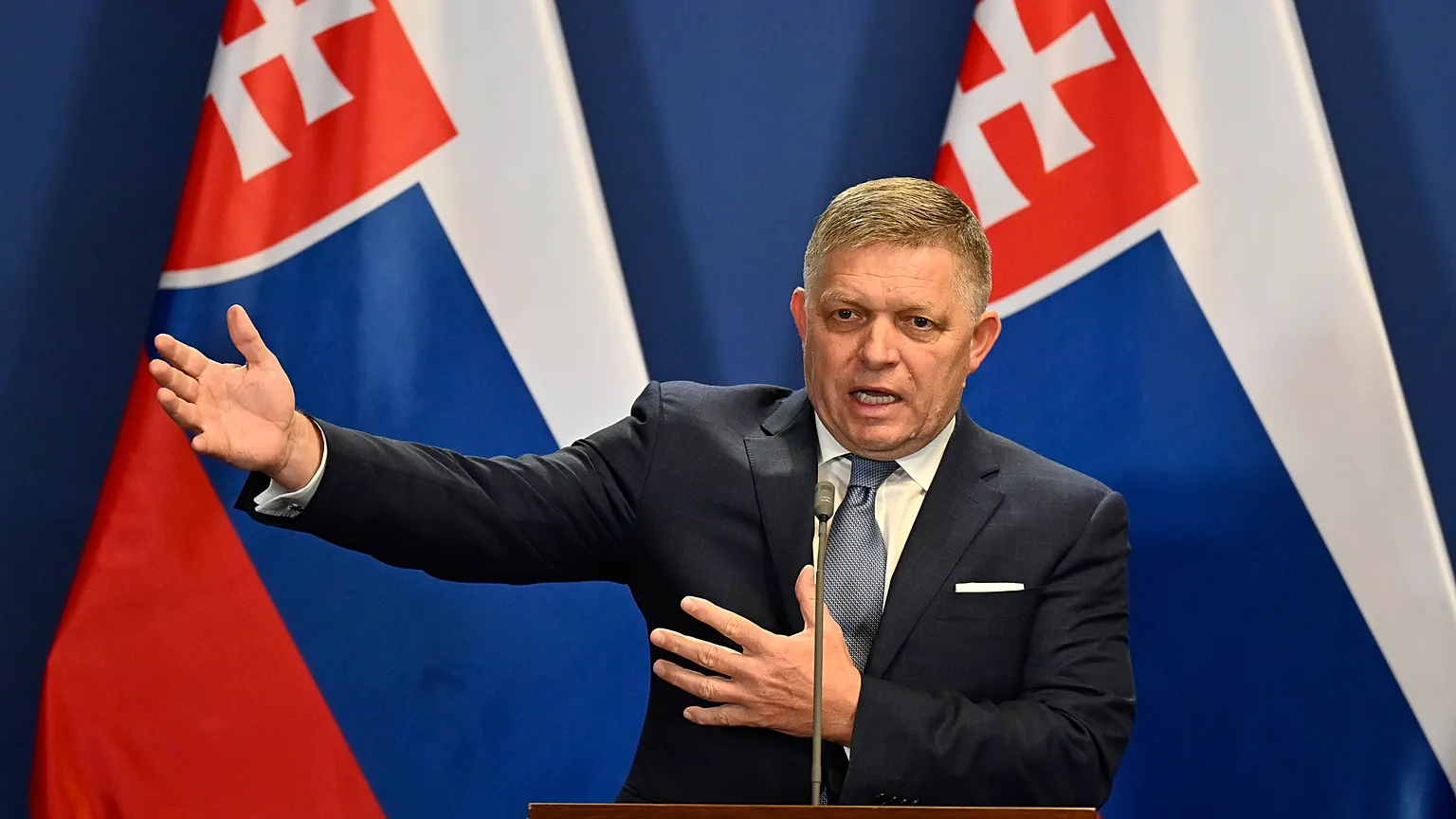
BRATISLAVA, Slovakia —Slovakia’s parliament has passed a controversial constitutional amendment that legally recognizes only two sexes—male and female—and concurrently introduces strict new restrictions on family law. The legal change, which passed in a tight vote, restricts adoption rights exclusively to married heterosexual couples and formally prohibits surrogate pregnancies.
The amendment was framed by the government as a measure to enshrine “sovereignty in cultural and ethical matters.”
The outcome surprised many political observers, as Prime Minister Robert Fico’s populist-nationalist coalition held only 78 of the 90 votes required for a constitutional majority in the 150-seat Slovak National Council.
The successful passage was achieved when 12 opposition MPs—including members of the conservative Christian Democrats and several last-minute defectors from former Prime Minister Igor Matovic’s Slovakia movement—voted with the government. Matovic immediately labeled the dissenters “traitors.”
‘Great dam against progressivism’
Prime Minister Robert Fico, whose government champions what it calls “traditional values,” praised the vote and hailed the outcome as a major ideological victory.
“This isn’t a little dam, or just a regular dam – this is a great dam against progressivism,” he declared, adding that his party would celebrate the success with liquor. Fico has previously angered critics by arguing that what he termed “liberal ideology” was “spreading like cancer.”
Following the vote, President Peter Pellegrini announced he would sign the amendment into law, stating, “At a time of enormous division within Slovak society, a constitutional majority is an important signal that there is agreement on a specific issue across the political spectrum, and it must be respected.”
International and domestic criticism
The constitutional shift has drawn immediate fire from both domestic and international critics. Organizations like Amnesty International warned the move would negatively impact the lives of LGBTQ+ individuals and bring Slovakia’s legal framework closer to those of illiberal governments in Hungary and Putin’s Russia.
Slovak legal scholars have voiced concerns that the amendment, which enshrines the primacy of the Slovak constitution over EU law, constitutes a direct challenge to the European Union and could trigger potential sanctions and legal battles.
Domestically, critics have alleged the move is a political maneuver by Fico to divert attention from falling poll ratings and unpopular austerity measures.
Beata Balagova, editor-in-chief of Slovak daily SME, said: “The Slovak constitution has fallen victim to Robert Fico’s plan to dismantle the opposition and divert attention from the real problems of society, as well as the austerity measures he had to pass.”
Also Read: Kenyan man sentenced to 50 years for murdering gay rights activist
She added that Fico “does not genuinely care about gender issues, the ban on surrogate motherhood, or even adoptions by LGBTQ people.”
The opposition party Progressive Slovakia, currently leading in the polls, declared the defection of the opposition MPs marks the end of any potential co-operation with Matovic and his movement.
The amendment underscores the wide political schism between Fico’s party and Europe’s center-left mainstream.
Fico’s Smer-Social Democracy party was suspended from the Party of European Socialists (PES) in 2023 after forming a coalition with the far-right Slovak National Party, and reports indicate the party is slated for formal expulsion next month.
This deepening rift follows Fico’s repeated meetings with Russia’s Vladimir Putin, having met him four times in under a year. Smer has not commented on the reports of its pending expulsion from the PES.
