


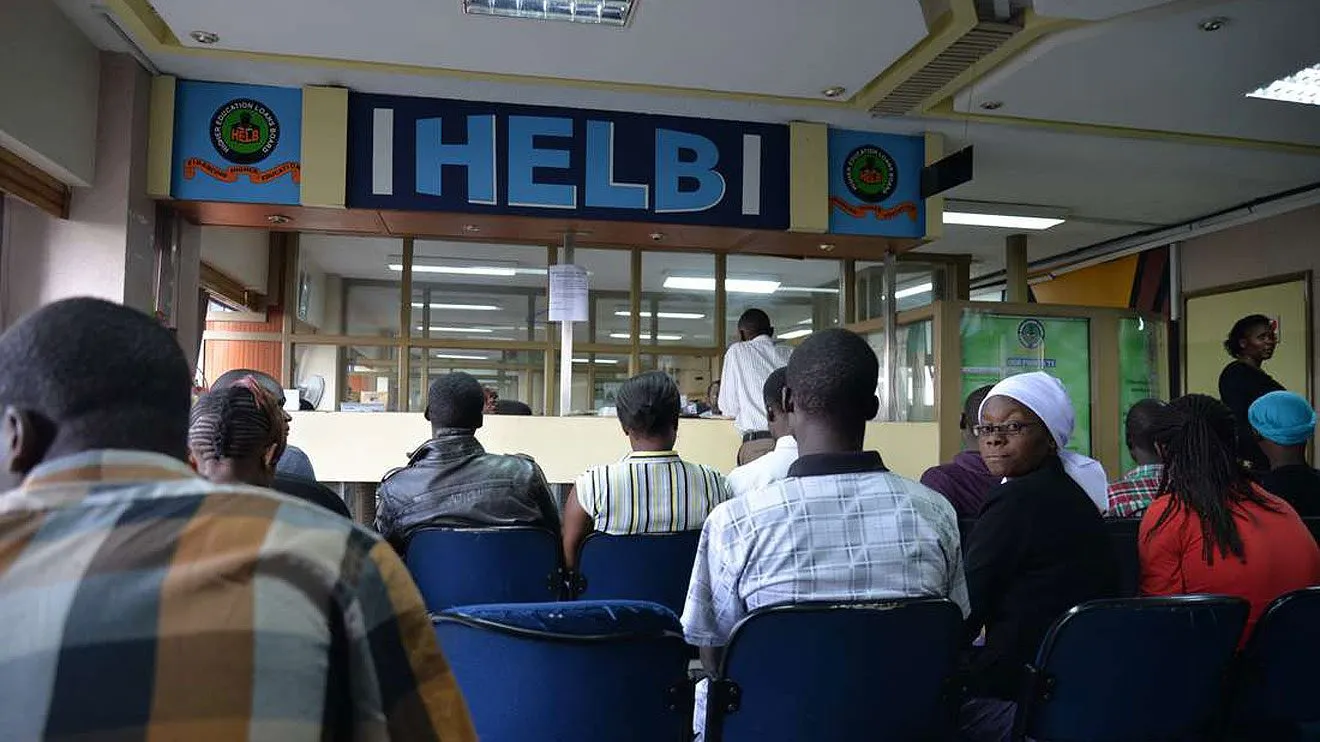
NAIROBI, Kenya — The Higher Education Loans Board (HELB) has implemented a stringent new measure aimed at tackling the persistent challenge of student loan defaults.
The agency has issued a directive to private-sector companies, requiring them to deduct repayments directly from the salaries of defaulters. These mandatory remittances must be submitted to HELB via an online portal by the 15th day of every month.
This firm stance comes in the wake of alarming default statistics. The latest data, current as of June 2025, shows that a substantial 256,000 borrowers collectively owe a total of Ksh 32 billion in outstanding loans.
The move is legally supported by the provisions of the 1995 HELB Act, which grants the board the authority to pursue legal avenues for loan recovery.
Ensuring sustainability and compliance
HELB officials have stated that enforcing these salary deductions is essential for recovering funds that are crucial for financing future students from needy backgrounds.
The overarching goal, according to officials, is not punitive but rather to maintain a sustainable loan system that continues to support access to higher education for Kenya’s youth.
The board clarified that while deductions will become automatic for individuals in formal employment, borrowers still retain the flexibility to pay through other established channels, such as M-Pesa or standard bank transfers.
Furthermore, flexible repayment plans are available for those facing difficulty in meeting the standard required amounts.
Public and legal implications
The decision has elicited varied responses from the public. Some observers view the measure as an overdue and necessary step to cultivate repayment discipline among beneficiaries of taxpayer-funded loans.
Also Read: Over 9 million Hustler Fund defaulters barred from new NYOTA youth grants
Others consider automatic salary deductions a standard, routine mechanism within the formal employment sector, intended simply to ensure compliance with financial obligations.
Borrowers are strongly advised to engage proactively with HELB to avoid potential legal issues. The board reaffirmed its authority to pursue defaulters through the courts if voluntary compliance is not achieved.
By introducing these mandatory recovery mechanisms, HELB intends to significantly reduce the growing backlog of loan defaults, thus guaranteeing that sufficient funds remain available for succeeding generations of students and safeguarding the integrity of the national student loan scheme.
