


NAIROBI, Kenya — Months after President William Ruto pledged austerity measures to rein in government spending, a new audit report has revealed that State House and the offices of the President and Deputy President consumed Ksh.298.58 million on fuel during the first six months of the 2025/26 financial year.
According to the Office of the Controller of Budget, State House alone accounted for Ksh.202.96 million, ranking as the second-highest government fuel spender after the National Police Service, which spent Ksh.377.65 million.
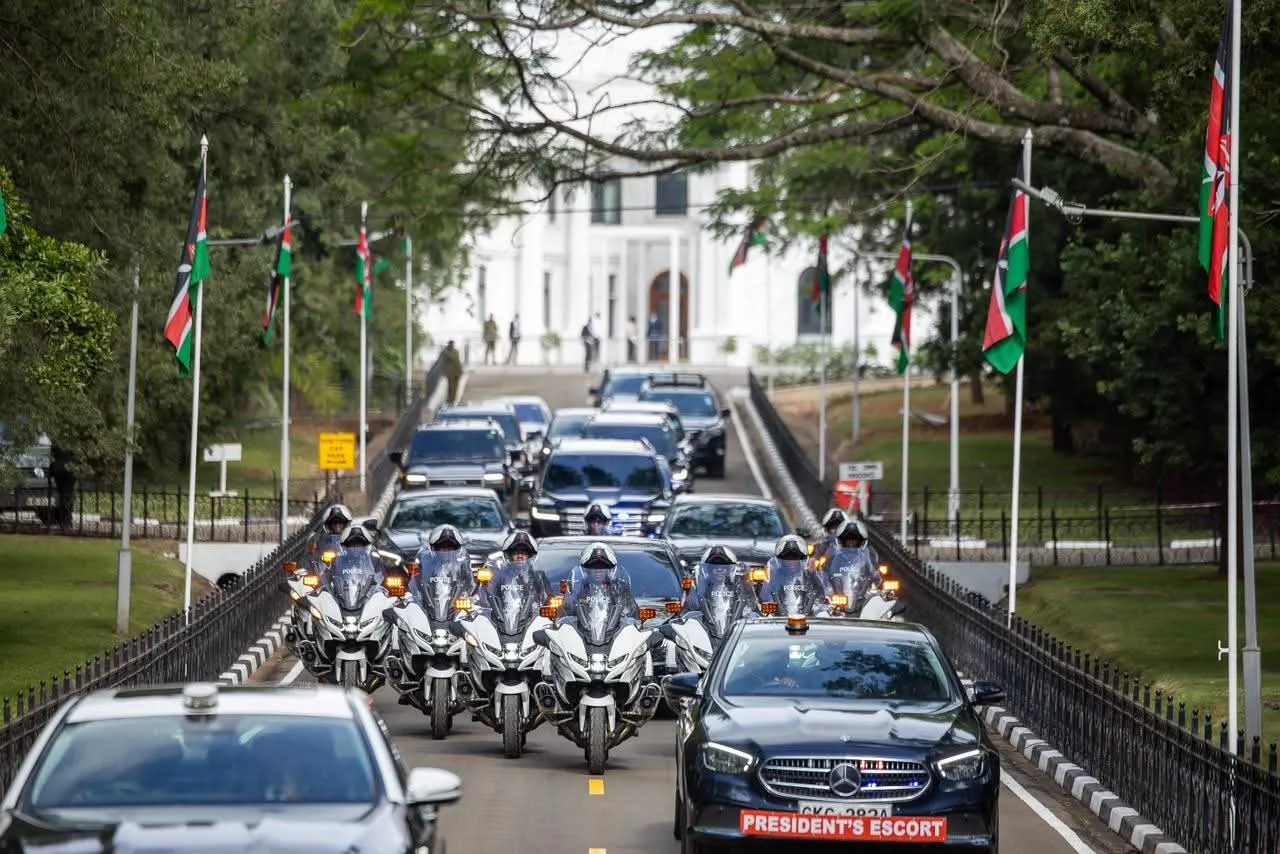
If current trends persist, analysts warn that fuel expenditure could rise even further by the close of the fiscal year. Government officials frequently travel with large entourages for official engagements, including project launches, meetings, and public events.
The logistics extend beyond vehicles to encompass security, staff transport, accommodation, and other operational costs.
Since assuming office in September 2022, State House has spent Ksh.1.092 billion on fuel, raising questions about the government’s commitment to its austerity pledge. For comparison, the institution spent Ksh.481.39 million in the 2024/25 financial year, up from Ksh.407.92 million in 2023/24.
The Office of the Deputy President, led by Prof. Kithure Kindiki, used Ksh.68.77 million in fuel over the same six-month period. Kindiki, who frequently travels for nationwide empowerment initiatives and political engagements, has recently adopted a combative political tone, popularising slogans such as “Fire si Fire” and “Wewe Goliathi” while campaigning for UDA candidates in mini-polls.
Meanwhile, the President’s office recorded Ksh.26.85 million in fuel spending, contributing to the combined bill incurred by the Presidency.
In total, vehicles under these offices consumed 1.7 million litres of fuel, covering approximately 14 million kilometres during the reporting period.
In broader fiscal terms, the gross ministerial recurrent expenditure for FY 2025/26 stands at Ksh.1.80 trillion, up from Ksh.1.77 trillion in FY 2024/25.
In the first half of the fiscal year, spending reached Ksh.899.74 billion, representing 50% of the annual allocation, compared to 24% (Ksh.433.89 billion) during the same period last year.
Also Read: Kenya among Africa’s most expensive fuel markets: Petrol and diesel prices highest in EAC
The report comes as State House anticipates spending Ksh.17 billion by the end of FY 2025/26—nearly double the Ksh.8.5 billion initially allocated.
For the next financial year, a request for Ksh.20 billion has been submitted, citing the addition of four new State lodges as a key driver of the anticipated rise.
These figures have sparked public debate over government spending priorities, particularly amid widespread economic pressures, including rising costs of living and taxation.
Analysts note that fuel expenditures are likely to escalate further as political activity intensifies ahead of the 2027 general election, with leaders crisscrossing the country for mobilization and campaign activities.
