


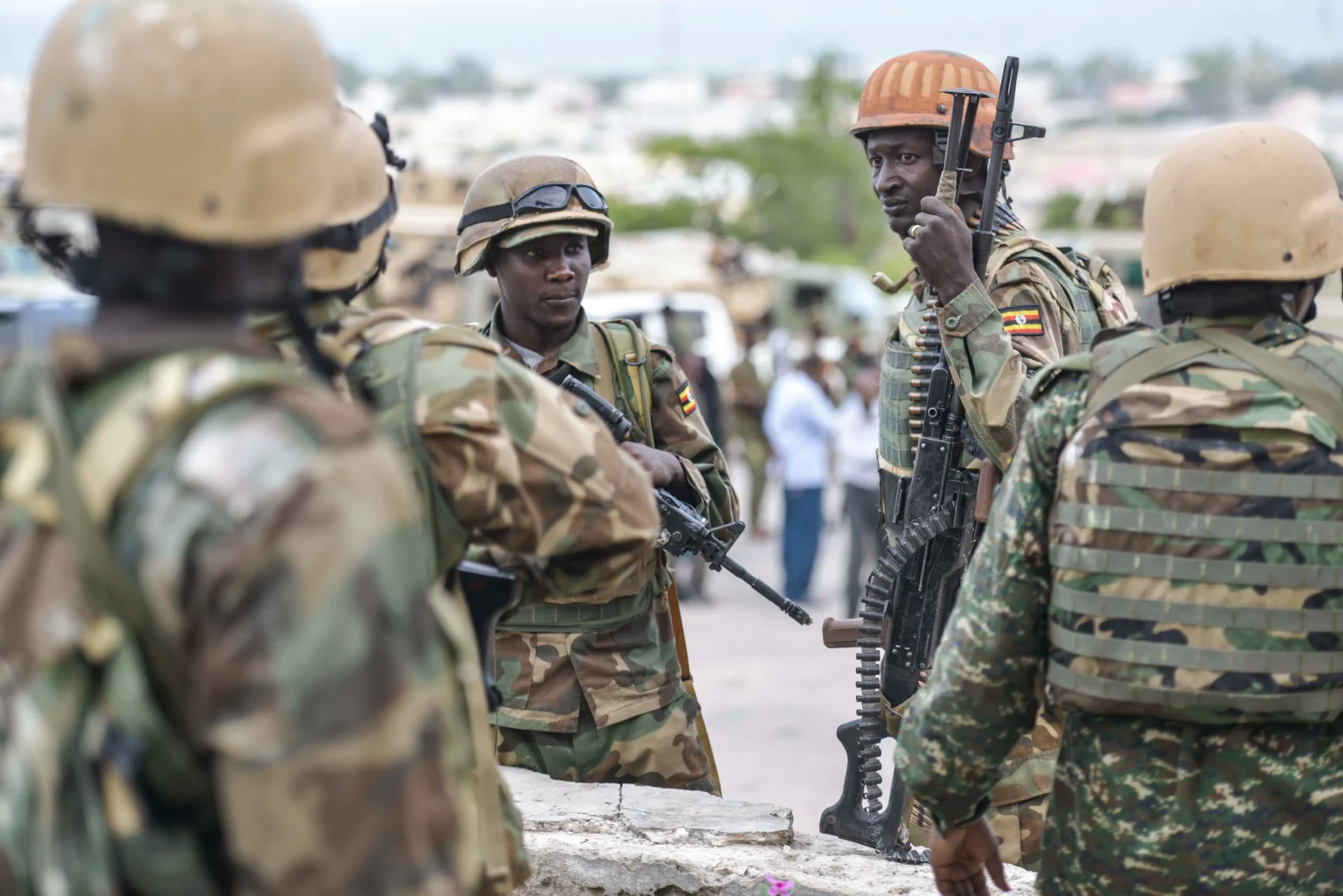
TEHRAN, Iran — Uganda’s military has evacuated 43 students from Iran as fighting intensifies in the Middle East, marking the first confirmed extraction of Ugandan nationals since the latest escalation between Tehran, Washington and Tel Aviv.
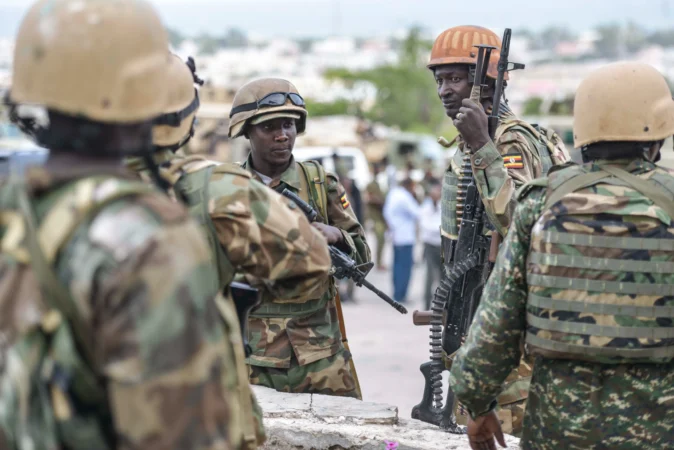
The Uganda Peoples’ Defence Forces (UPDF) confirmed on Monday that the students, who had been stranded in the Iranian capital, were safely transported out of Tehran and taken to neighbouring Turkey.
“The UPDF, through our Defence Advisor in Turkey, Major General Bob Ogiki, has successfully evacuated 43 Ugandan students who were stranded in Tehran (Iran),” a defence official told ChimpReports.
“They are now safe in Turkey waiting to return home.”
Authorities in Kampala say efforts are continuing to identify and support other Ugandans who may still be in Iran.
The government has not released official figures on how many nationals remain in the country, but officials say coordination is ongoing through diplomatic and military channels.
The evacuation comes amid a sharp deterioration in regional security following large-scale strikes on Iranian facilities over the weekend.
The attacks triggered retaliatory missile and drone launches across parts of the Gulf, prompting heightened security alerts, temporary airspace closures and flight suspensions by several international carriers.
In a security advisory issued on 28 February, Bagiire Vincent Waiswa, Permanent Secretary at the Ministry of Foreign Affairs, said Uganda was monitoring developments “with grave concern.”
“The Government of Uganda calls on all parties to exercise restraint, prioritize dialogue, and refrain from any further escalation,” Bagiire said in the statement dated Feb. 28.
He advised all Ugandan citizens in Iran who are able to leave “to take serious precautions for their safety and depart through any possible means,” adding that Kampala had withdrawn non-essential staff from its embassy in Tehran and that consular services were severely limited.
“Due to the extremely fluid situation that is affecting international travel, all Ugandan citizens are strongly advised to suspend travel to the Middle East until further notice,” Bagiire said.
Evacuations complicated by airspace disruptions
Regional aviation authorities have imposed temporary flight restrictions, while airlines have rerouted aircraft to avoid high-risk corridors.
Similar advisories have been issued by several African and European governments as tensions raise concerns of a broader regional conflict.
Security analysts warn that continued hostilities could disrupt key maritime trade routes and energy shipments passing through the Strait of Hormuz, a strategic chokepoint for global oil supplies.
Any prolonged instability could have ripple effects for import-dependent economies, including Uganda, through higher fuel prices and transport costs.
Uganda’s crisis response track record
Uganda has previously carried out evacuations during international emergencies, including the Sudan conflict and earlier instability in Libya.
Those operations combined diplomatic coordination with military logistics to extract citizens from volatile environments.
Also Read: Uganda advises citizens in Iran to evacuate or shelter indoors
Officials have not indicated when the evacuated students will return to Kampala, but arrangements are understood to be in progress.
The broader situation remains fluid, with international actors urging restraint to prevent further escalation.
For Uganda, the immediate focus remains on the safety of its nationals while navigating the diplomatic sensitivities of an increasingly volatile geopolitical landscape.