


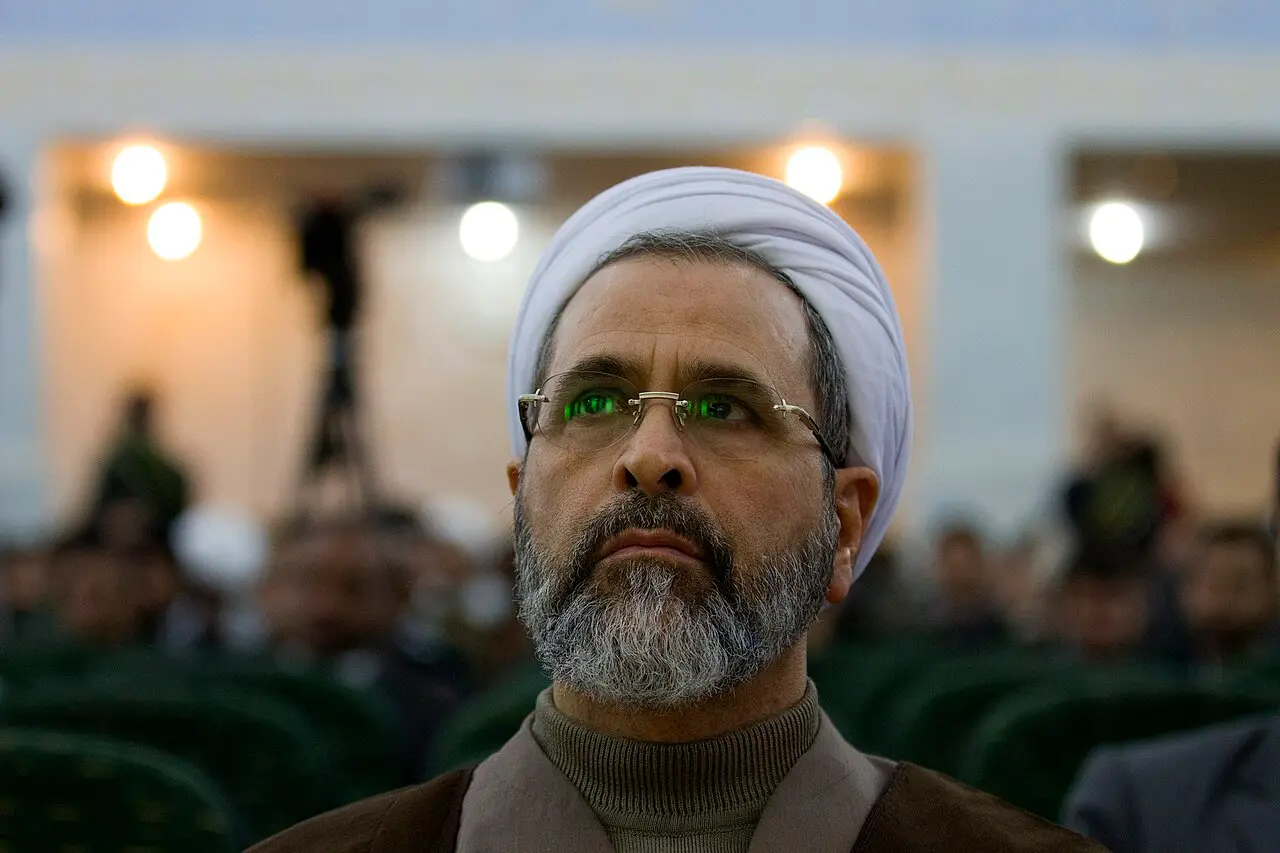
TEHRAN, Iran — Iran has appointed Ayatollah Alireza Arafi as the jurist member of a temporary Leadership Council that will carry out the constitutional responsibilities of the country’s Supreme Leader until a permanent successor is chosen, state media and international reports confirm.
The move follows the confirmed death of Supreme Leader Ali Khamenei in a joint United States–Israeli airstrike last weekend, a development that has ushered in a rare and critical leadership transition for the Islamic Republic.
Under Article 111 of the Iranian Constitution, when the position of Supreme Leader becomes vacant, a three‑member Leadership Council assumes the duties of the office until Iran’s Assembly of Expert, an 88‑member clerical body, elects a new leader.
Interim leadership council composition
The temporary Leadership Council comprises:
- Ayatollah Alireza Arafi: Cleric and jurist member chosen by the Expediency Discernment Council
- President Masoud Pezeshkian
- Chief Justice Gholamhossein Mohseni‑Ejei
Arafi’s appointment was confirmed by the Expediency Discernment Council spokesperson in a post on X, indicating the selection followed constitutional requirements for interim governance.
The Leadership Council will exercise the supreme leader’s constitutional powers until a successor is elected “as soon as possible,” Iranian media has reported.
Who is Ayatollah Alireza Arafi?
Arafi, 67, is a prominent cleric and long‑standing member of Iran’s Guardian Council, a powerful constitutional body that vets candidates and safeguards the Islamic Republic’s legal framework.
He also serves on the Assembly of Experts and has held key religious and academic posts, including leadership roles within seminaries and theological institutions.
Observers say his deep institutional ties and clerical authority make him a stabilising figure during Iran’s sensitive transitional period, particularly given his senior position within the clerical hierarchy.
The interim Leadership Council mechanism is mandated by Article 111 of Iran’s Constitution. It is designed to ensure continuity of governance when the supreme leader’s position is vacant due to death, resignation or removal.
Under this arrangement, the council exercises key responsibilities, including oversight of executive authority, security decisions and clerical guidance, until the Assembly of Experts elects a new supreme leader.
Also Read: Why the US and Israel attacked Iran — and what it means for a potential war
Traditionally, the position has been held by a single clerical figure endowed with significant religious and political authority.
The transitional process is underway as Iran navigates both internal political dynamics and persistent external pressures amid ongoing regional conflict.
Khamenei’s death has triggered widespread political uncertainty in Tehran and across the Middle East.
Analysts say the formation of the interim council is a constitutional safeguard intended to prevent a power vacuum at a time of heightened tensions and external military engagement.
The role Arafi and other council members play in the coming weeks will be closely watched by regional governments and global powers, as Iran’s political trajectory may influence broader diplomatic and security developments.
