


TEHRAN, Iran — A coordinated series of military strikes by the United States and Israel against targets in the Iran on 28 February 2026 has sharply escalated tensions in the Middle East, drawing condemnation from global powers and prompting immediate Iranian retaliation that risks widening the conflict with far-reaching geopolitical and economic consequences.
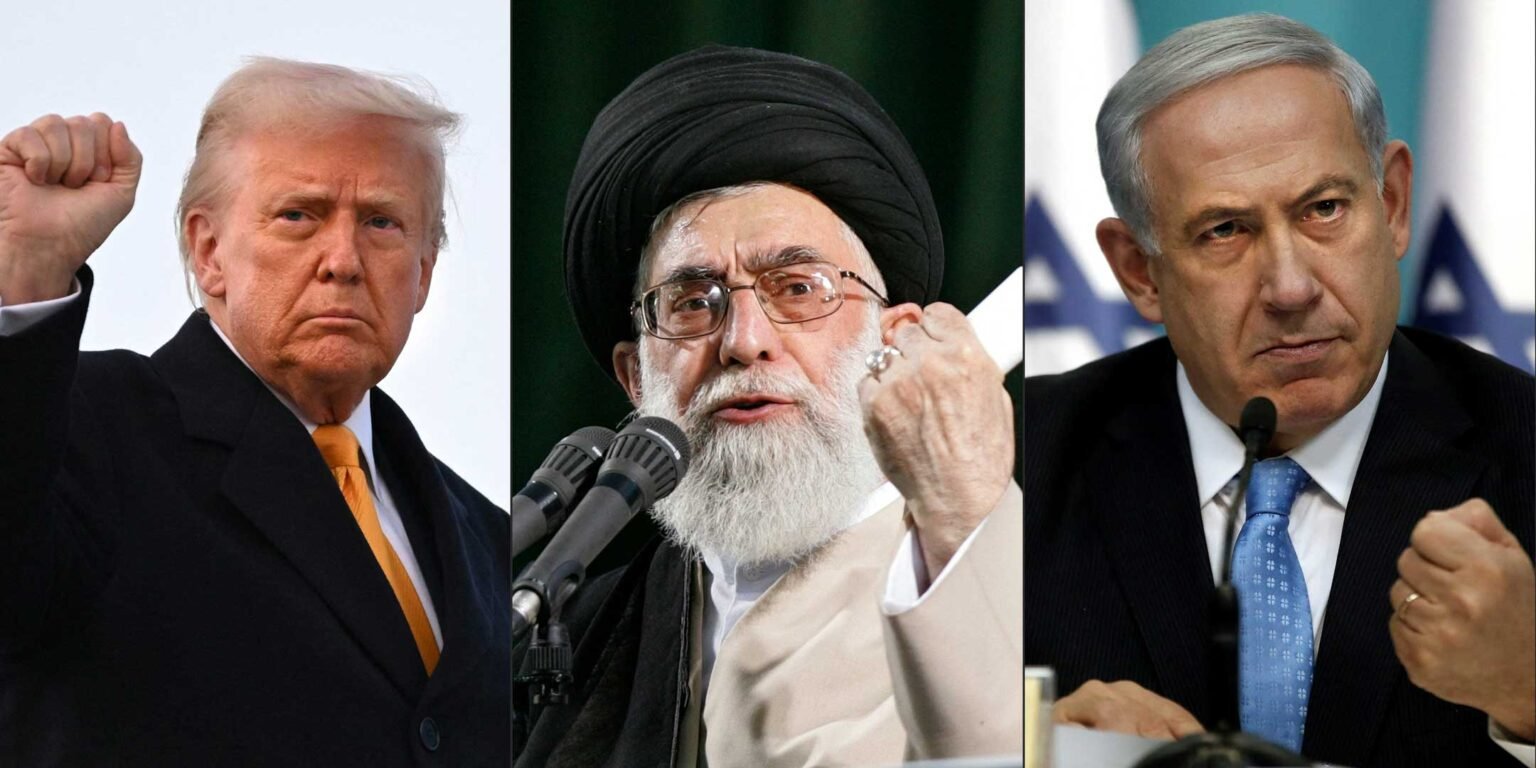
Israeli officials described the operation as a pre-emptive strike aimed at neutralising perceived threats posed by Iran’s nuclear and missile programmes, with Defence Minister Israel Katz saying the attack was necessary “to remove threats to the State of Israel.”
Reports indicated that explosions were heard in Tehran and other urban centres, and that airspace closures and civil defence measures were put in place as the strikes unfolded.
Officials in Washington confirmed that US military elements participated in coordinated operations alongside Israel, though the exact scale of American engagement has varied in descriptions by different sources.
Tehran responds with retaliatory strikes
Iran denounced the strikes as violations of international law and a breach of the United Nations Charter, warning that they amounted to acts of aggression.
Within hours, Tehran launched a wave of retaliatory missile and drone attacks against Israeli territory and several Middle East countries hosting US military assets, including bases in Qatar, Kuwait, the UAE, Bahrain and Saudi Arabia.
Iranian leaders declared they would show “no leniency” and that all US and Israeli interests in the region were legitimate targets.
The Iranian leadership, including Supreme Leader Ayatollah Ali Khamenei and President Masoud Pezeshkian, were reported to be secure despite the initial barrage, even as the strikes caused significant damage and casualties, including reports of civilian deaths and destruction of infrastructure in several cities.
Wider regional and global repercussions
The twin offensives have prompted a range of international reactions. Russia condemned the US-Israeli strikes as an “unprovoked act of armed aggression” against a sovereign state, accusing Washington and Tel Aviv of using nuclear concerns as a pretext for regime change and warning of potential humanitarian and regional disaster.
Western leaders called for restraint and urgent diplomacy. The European Union (EU) officials warned that the conflict posed serious risks to international peace and security, urging protection of civilians and respect for international law.
At the same time, several Gulf states decried Iranian strikes on their soil as violations of sovereignty, stressing their right to defend national security.
Economic and civil impact
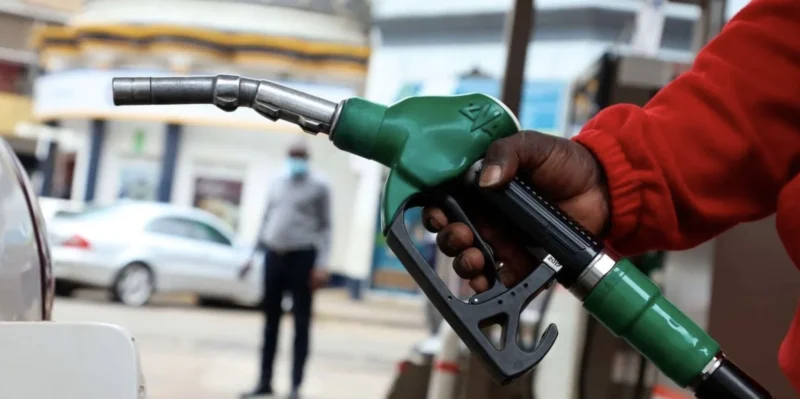
The immediate fallout has also been felt economically. Oil markets reacted sharply, with prices rising on fears that broader conflict could disrupt flows through the strategically vital Strait of Hormuz, through which a significant portion of global crude transits.
Analysts suggest that if hostilities persist, crude benchmarks could spike beyond current six-month highs, with repercussions for global transportation and inflation.
Also Read: Iran-Israel war: What we know about US strikes on Iran’s nuclear facilities
International civil aviation has been disrupted as airspace closures around Israel and parts of the Gulf forced airlines to cancel or reroute flights, affecting millions of passengers.
A dangerous inflection point
The strikes mark one of the most significant escalations in the longstanding Iran-Israel military confrontation, following intermittent clashes in 2024 and 2025, including large-scale exchanges of missiles that previously brought the region close to wider war.
Analysts say the current crisis reflects a breakdown in diplomatic efforts that had sought to curb Tehran’s nuclear ambitions and ballistic programme.
With military engagement now overt and retaliatory strikes ongoing, experts warn the risk of a broader regional war has increased, highlighting the complex interplay of military, economic and political pressures that define the Middle East security landscape.