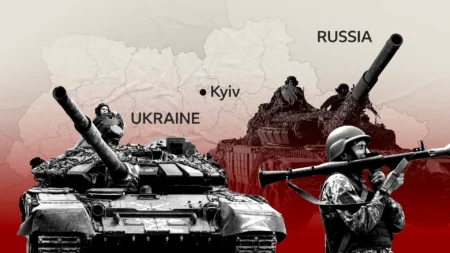

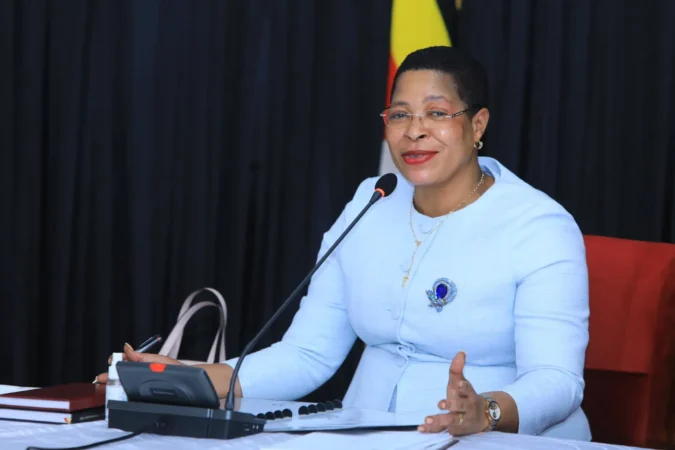


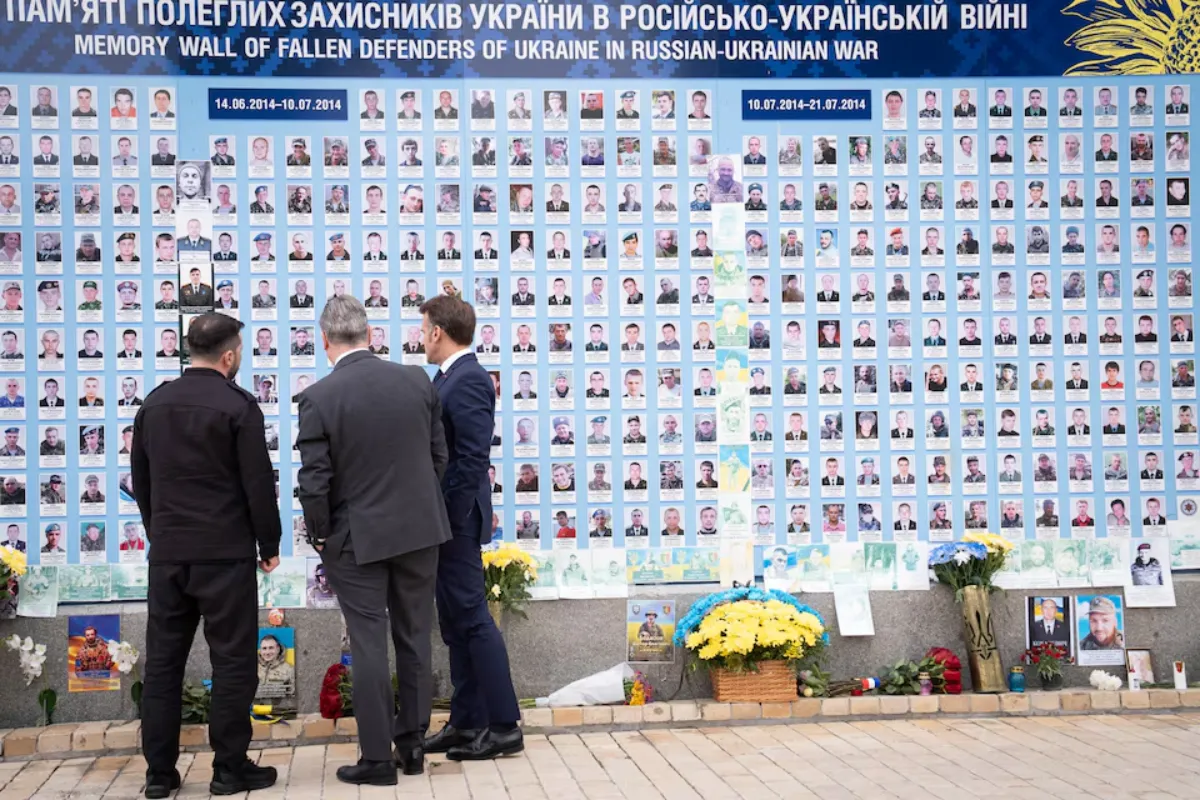
ACCRA, Ghana — At least 55 Ghanaian nationals have been killed while fighting in the war in Ukraine, with two others currently held as prisoners of war, Ghana’s foreign affairs minister has said.
During a visit to Kyiv, Samuel Okudzeto Ablakwa revealed that about 272 Ghanaians are believed to have been drawn into the conflict since 2022, citing information provided by Ukrainian authorities.
Ablakwa described the figures as “depressing and frightening,” saying Ghana “cannot turn a blind eye to these heartbreaking statistics”.
He did not specify which side the Ghanaians had been fighting on. However, Ukraine’s foreign ministry said more than 1,700 people from 36 African countries had been recruited to fight for Russia.
The 55 confirmed deaths represent the highest officially acknowledged casualty figure from a single African country in the war.
Reports in Cameroonian media suggest that 94 nationals from Cameroon may have died in the conflict, although authorities there have not formally confirmed the figures.
Officials say the war’s impact is not limited to Ghana. Two citizens of South Africa and at least one Kenyan have also been reported killed.
Ablakwa said the casualty figures were “not just numbers, they represent human lives, the hope of many Ghanaian families and our nation”.
He said the government was committed to “tracking and dismantling all dark web illegal recruitment schemes” and launching awareness campaigns to prevent young people from being drawn into the conflict.
“This is not our war and we cannot allow our youth to become human shields for others,” he added.
Recruitment networks under scrutiny
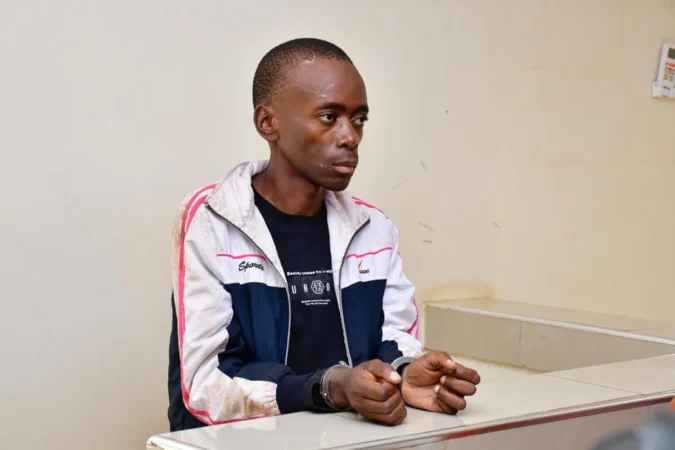
The issue has prompted investigations beyond Ghana. In Kenya, a national, Festus Arasa Omwamba, was charged over allegations that he lured young men to Russia with job promises that later led to their deployment to the battlefield. He denied the charges.
A recent report by Kenya’s National Intelligence Service indicated that about 1,000 Kenyans may have been recruited to fight for Russia since the conflict escalated in 2022.
Russia’s embassy in Kenya has rejected claims of direct recruitment, stating that Russian law permits foreign nationals legally present in the country to voluntarily enlist in its armed forces.
During his Kyiv visit, Ablakwa appealed to Ukrainian President Volodymyr Zelensky to release two Ghanaian prisoners captured while fighting for Russia.
“They are victims of manipulation, of disinformation, misinformation, of criminal trafficking networks,” he said.
He thanked Ukrainian authorities for observing international law in their treatment of the detainees.
“We have received reports that they are in good health,” he said. “They have not been tortured. They have not suffered any inhumane treatment since they were captured.”
Ukraine’s foreign minister, Andrii Sybiha, said both sides held frank discussions about the possibility of returning the prisoners to Ghana.
South Africa also confirmed that two of its citizens had died in the conflict, while 15 others were repatriated in the past week. Two more remain in Russia receiving treatment for what officials described as severe injuries.
Also Read: South Africans lured into Russia-Ukraine war freed – Ramaphosa thanks Putin
Ukrainian authorities have repeatedly warned that foreign nationals fighting for Russia would be treated as enemy combatants and advised surrender as the safest route to prisoner-of-war protections.
Ukraine itself has previously faced criticism for attempts to recruit foreign nationals, including Africans, to fight on its side, highlighting how the war has increasingly drawn participants far beyond Europe.
The war, now in its fourth year following Russia’s full-scale invasion of Ukraine in 2022, has created a shadow market of recruitment networks targeting economically vulnerable young people across Africa.
Analysts say promises of employment, travel opportunities and fast earnings have often masked the risks of frontline deployment.
Governments across the continent are now intensifying public awareness campaigns and investigations into trafficking and mercenary recruitment channels as the human cost becomes clearer.