


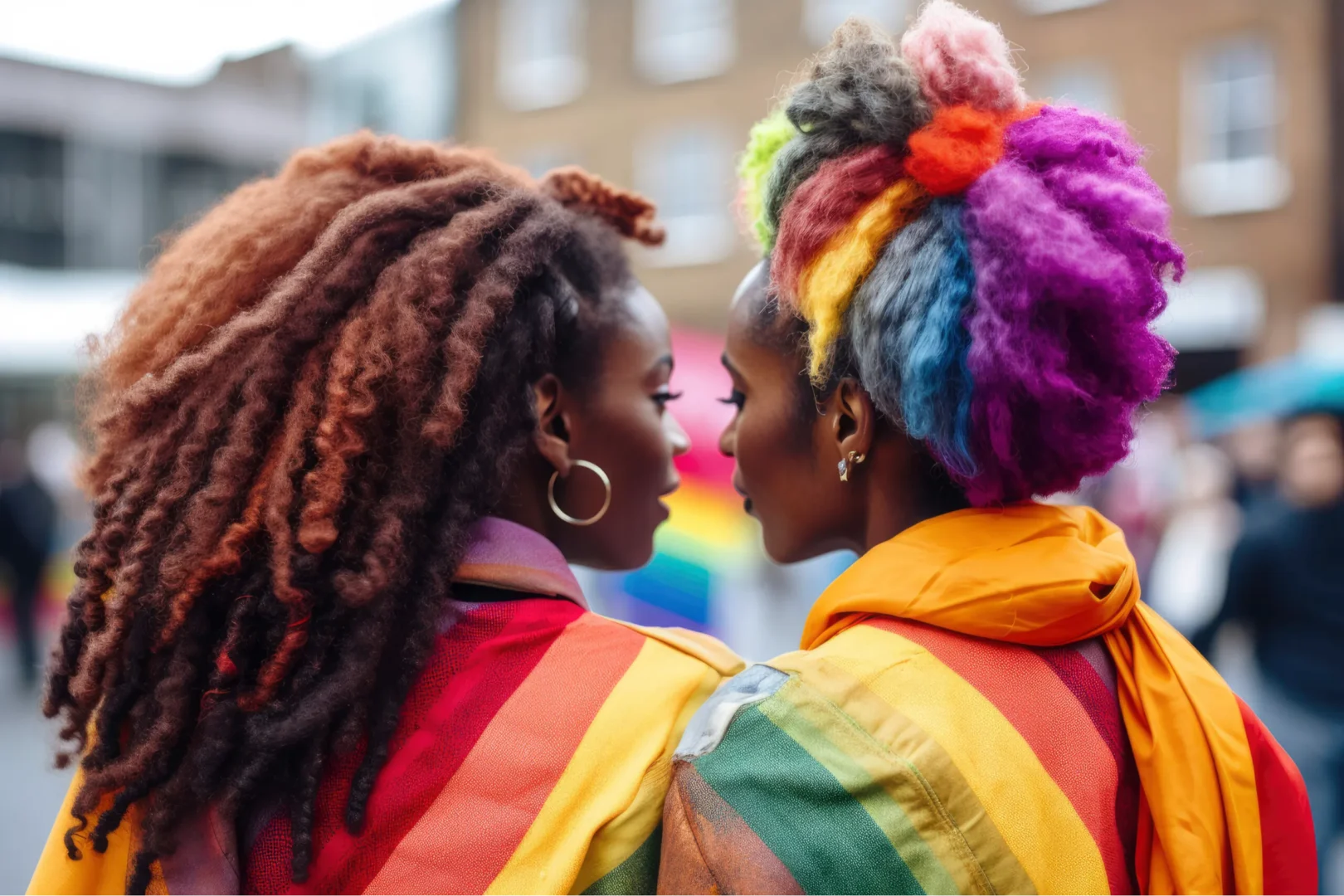
ARUA, Uganda — Police in northern Uganda have detained two women on allegations of practising homosexuality after they were reportedly seen kissing in public, sparking fresh attention on the country’s strict laws against same‑sex relations.
Wendy Faith, a 22‑year‑old dancer, and Alesi Diana Denise, 21, were arrested on 18 February 2026 at Alengo Cell in Pokea Ward, Ayivu West Division, Arua City, officials said. According to the police, the pair had been cohabiting since 12 February, and were observed kissing openly in a public area.
West Nile police spokesperson Josephine Angucia said community members reported seeing the women engaged in what they described as “queer and unusual acts believed to be sexual in nature,” as well as gathering with other women at their residence.
“It is upon that information that police acted by arresting the two under the allegation of practising Homosexuality, C/S 2(1)(2) of the Anti‑Homosexuality Act 2023,” she said.
Officers carried out a search of the premises but said they found no incriminating items. The women were interviewed and their statements recorded before being detained at Ayivu West Division police station, according to a police publicist.
Legal context and penalties
The arrests were made under Section 2(1) and (2) of the Anti‑Homosexuality Act 2023, which criminalises consensual sexual relations between people of the same biological sex.
The legislation, passed by Uganda’s Parliament and assented to by President Yoweri Museveni in 2023, carries severe penalties, including life imprisonment for those convicted of consensual same‑sex acts.
The expanded law also includes provisions targeting the “promotion” or “recognition” of homosexuality, with penalties of up to 20 years’ imprisonment for related offences.
While the law does not criminalise identifying as LGBTQ+, human rights groups say its broad definitions can create a climate of fear and discrimination.
Uganda has a long history of criminalising same‑sex relations under colonial‑era and post‑independence statutes, and the Anti‑Homosexuality Act of 2023 strengthened enforcement and penalties.
Critics argue that the legislation violates human rights, while government supporters maintain it reflects cultural values.
Reactions and rights concerns
Human rights activists have warned that strict anti‑LGBTQ laws not only contravene international human rights standards but also impede access to essential health services, including HIV prevention and treatment, for vulnerable populations.
Rights advocates such as Clare Byarugaba, a Ugandan activist, have documented the risks faced by LGBTQ individuals who face stigma, discrimination and state enforcement actions.
International rights organisations have criticised the 2023 law for its harsh penalties and its potential to fuel violence and discrimination against sexual minorities.
Also Read: Slovakia enshrines ‘male and female’ sexes in constitution, restricting LGBTQ+ rights
Some countries and international bodies have linked human rights concerns to diplomatic and economic engagement with Uganda, arguing that punitive laws undermine respect for basic freedoms.
While the two women have been detained, it remains unclear whether formal charges have been filed in court or what their legal representation status is.
Ugandan law provides for due process, but rights groups say prosecutions under anti‑homosexuality statutes often proceed with little transparency and limited access to legal defence.
Broader social and health implications
Critics of anti‑LGBTQ legislation argue that criminalisation can drive vulnerable individuals underground, deterring them from seeking vital health services, including HIV testing and treatment, and exacerbating public health challenges.
Evidence from other African countries with similar laws shows that fear of arrest and discrimination can undermine access to save‑life interventions.
In neighbouring Tanzania, for example, strict enforcement of anti‑LGBTQ policies has been linked to reduced access to HIV prevention services, particularly among men who have sex with men and other key populations, according to human rights research.
