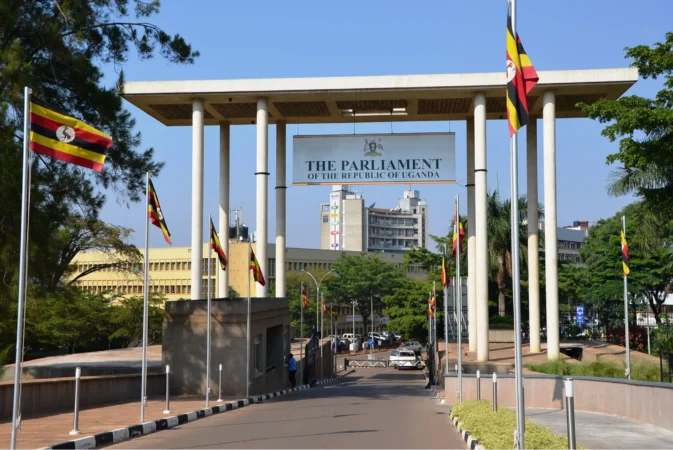


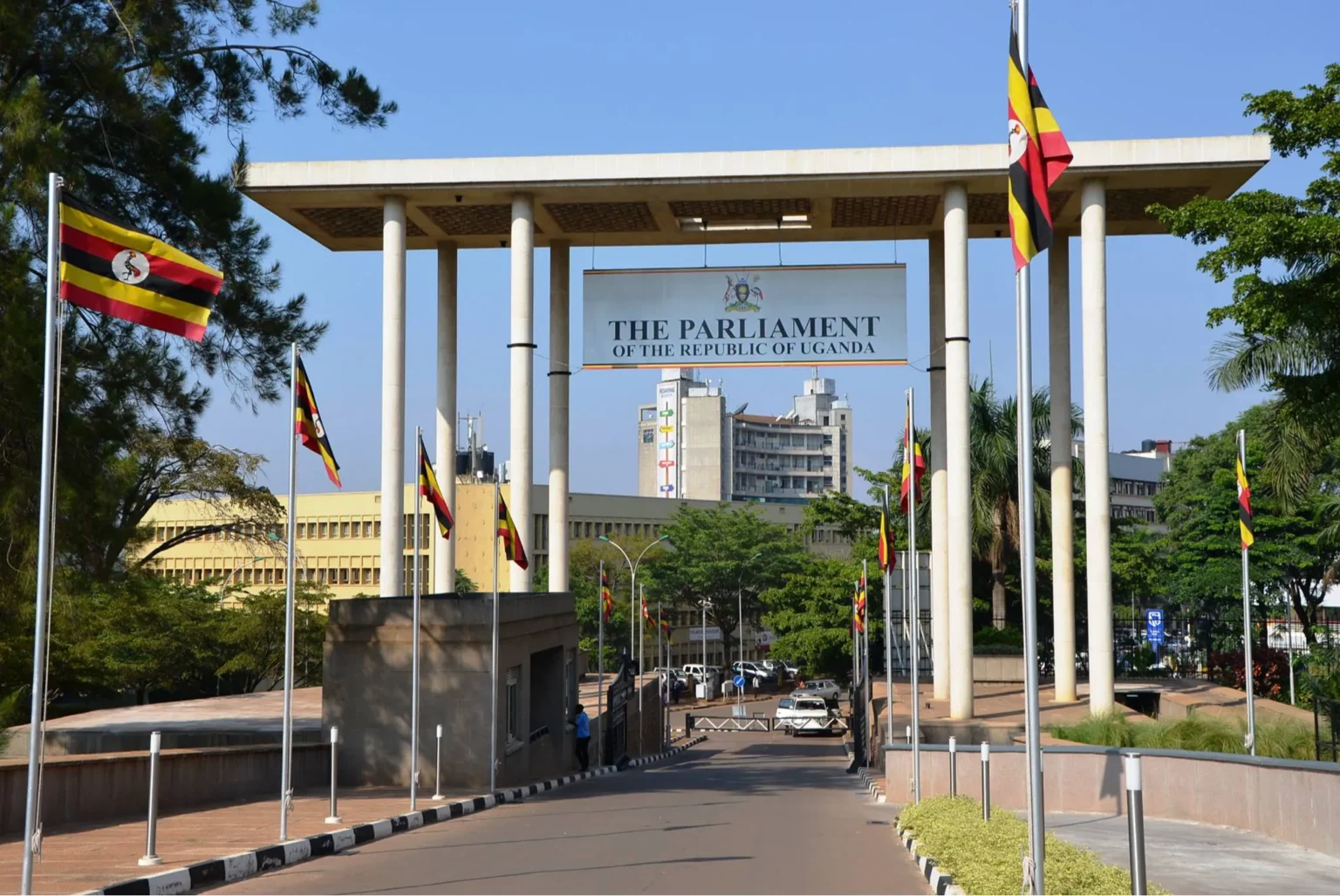
KAMPALA, Uganda — Debate over Uganda’s proposed NGO Funding Act has intensified after the Deputy Speaker of Parliament signalled he would not preside over deliberations on the bill until lawmakers formally state the House’s position.
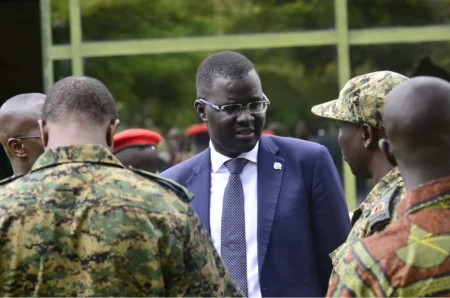
The Deputy Speaker of the Parliament of Uganda, Thomas Tayebwa, reportedly told legislators that his role is procedural and must remain neutral while the chamber determines that position.
“I am like a referee; the House should first pronounce,” he said, underscoring that he cannot steer proceedings on the legislation without clear direction from Members of Parliament (MPs).
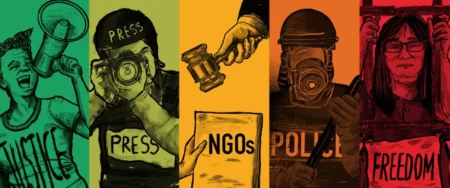
The proposed law has drawn increased scrutiny from civil society actors, lawmakers and development partners, reflecting wider tensions over the regulation of Non-Governmental Organisations (NGOs) in Uganda.
Nakaseke South MP Paulson Luttamaguzi called for extensive consultations, arguing that although the proposal may contain legitimate objectives, recent legislation has often been viewed through a political lens.
“The bill, the NGO Funding Act proposal wouldn’t be bad, but you know most of the laws here in Uganda which are being enacted today have political motives,” he said. “Yes, it can reduce foreign dependence, but what has been happening before?.”
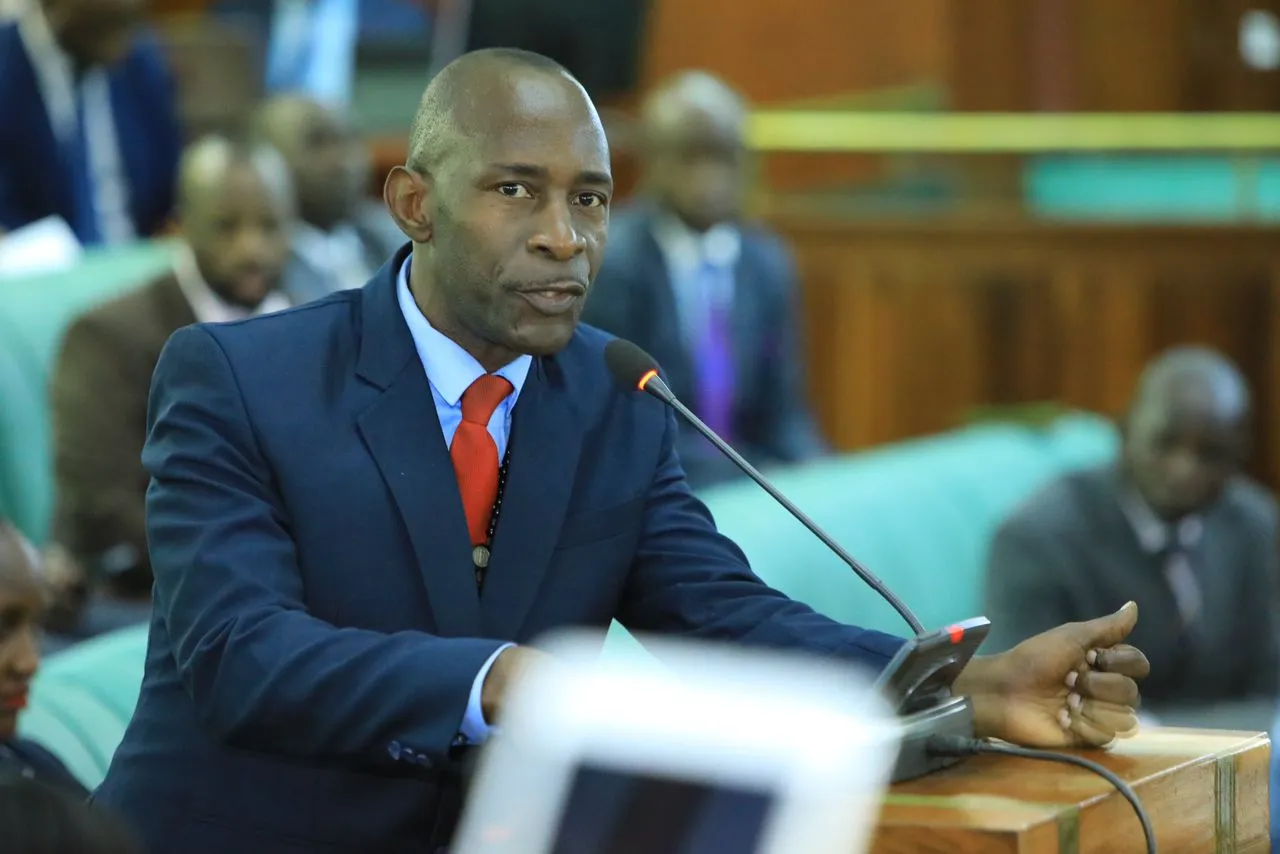
Ssemakula stressed that lawmakers should engage both domestic and international stakeholders before passing legislation that could reshape how NGOs operate and are financed.
“Being a legislator doesn’t mean that we know everything, so there has to be wide consultation especially among the NGO world. You consult locally and internationally, then you get the views of the NGO house and the views of the people,” he said.
He noted that any regulatory shift affecting NGOs would have wider social consequences because organisations are central to service delivery in sectors such as health, education, governance and humanitarian assistance.
“Majorly these NGOs come out for change, to change the society. So anything that affects the NGOs directly, it also indirectly affects the population because they are meant majorly to serve the population,” he added.
The debate comes against the backdrop of Uganda’s existing regulatory framework under the Uganda NGO Bureau, which oversees NGO registration, compliance and funding disclosures.
Over recent years, authorities have periodically suspended or investigated organisations over governance, financial reporting and national security concerns, actions that rights groups say risk constraining civic space.
Supporters of the proposed funding reforms argue that stricter oversight could improve transparency, reduce reliance on foreign donors and align NGO activity with national development priorities.
Critics, however, warn that tighter controls on funding streams could undermine operational independence and threaten community programmes that rely heavily on external support.
Analysts note that Uganda is not alone in reviewing NGO financing models, with several African countries moving toward more stringent reporting and localisation requirements as governments seek greater oversight of the sector.
Procedural uncertainty ahead
The Deputy Speaker’s intervention introduces a procedural hurdle that could delay the bill’s progress, signalling that lawmakers must first reach consensus or formally articulate their position before debate can advance.
The issue is likely to remain a focal point of national attention as Parliament weighs competing arguments around accountability, sovereignty and the sustainability of civil society funding.
For many observers, the outcome will shape the future operating environment for NGOs in Uganda — and potentially influence regional policy trends on civil society regulation.