


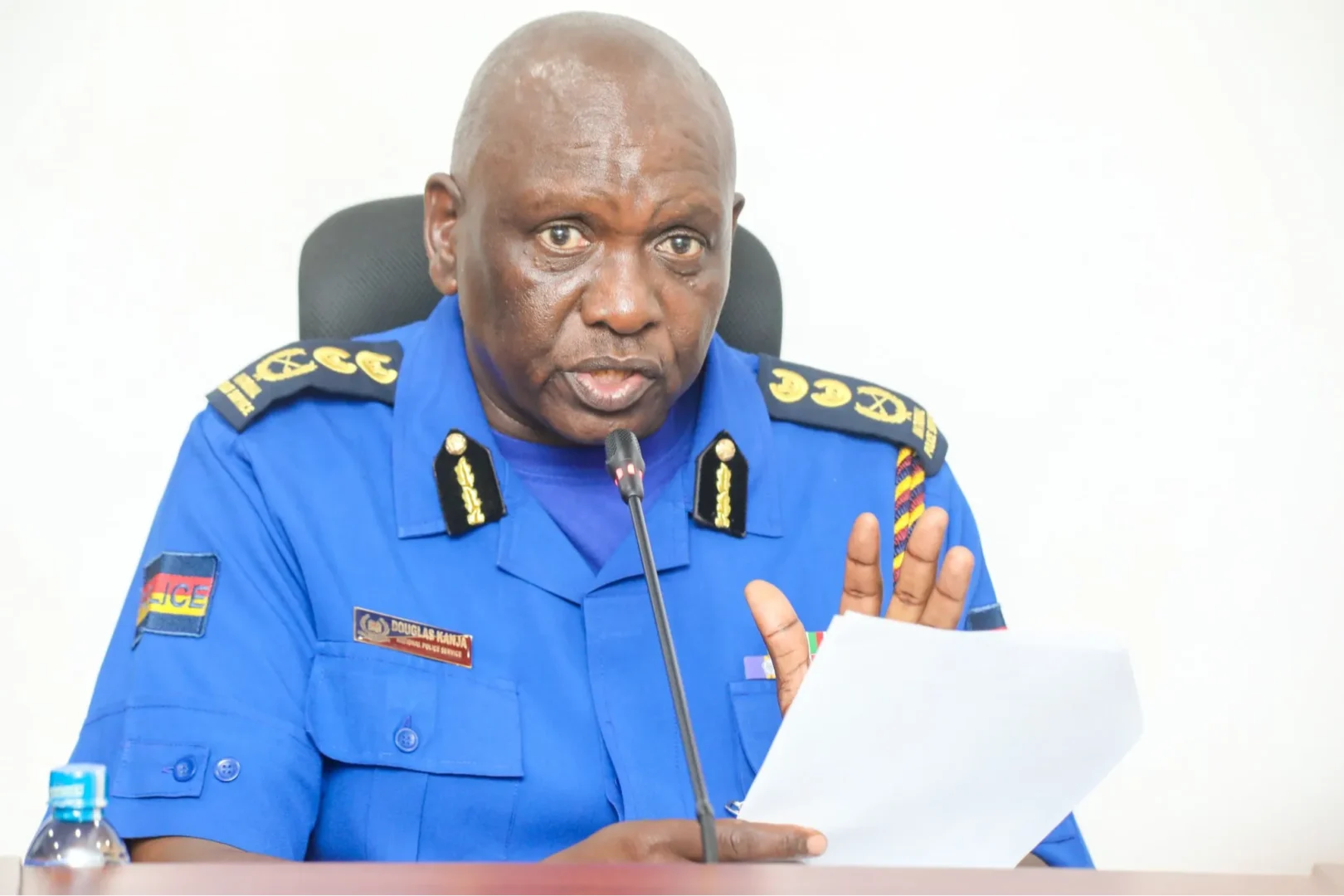
NAIROBI, Kenya — The Inspector General of the National Police Service, Douglas Kanja, has warned that mounting financial pressures on the force could undermine its ability to manage public protests using non-lethal methods.
Appearing before the National Assembly’s Administration and Internal Security Committee chaired by Gabriel Tongoyo, Kanja said depleted stocks of crowd-control equipment, including teargas canisters, were increasing operational risks during demonstrations.
He also cited a shortage of police vehicles, which he said has slowed response times to security incidents across the country.
“The recent riots have depleted the NPS stock of equipment necessary to ensure that police officers do not resort to live ammunition. In addition, the lack of vehicles has led to delays in police response, thereby hindering service delivery,” said IG Kanja.
The police chief urged lawmakers to prioritise funding for security operations, including procurement of non-lethal crowd-management tools, expansion of air support capacity and additional officer training.
Kanja’s remarks are likely to intensify scrutiny from civil society organisations and human rights groups, which have repeatedly criticised the police over allegations of excessive force during demonstrations.
Kenya’s policing approach to protests has remained under debate, particularly following waves of youth-led demonstrations in 2024 that placed law enforcement tactics at the centre of national and international attention.
During that period, controversy also emerged after comments attributed to Interior Cabinet Secretary Kipchumba Murkomen were interpreted by rights groups as signalling a willingness to allow officers to use lethal force under certain circumstances.
The criticism followed reports suggesting that officers whose lives were at risk, particularly those guarding critical infrastructure such as courts, could respond with firearms if threatened. Government officials later moved to clarify the position, emphasising that use of force must remain guided by existing policing laws and proportionality standards.
Also Read: IG Kanja interdicts Central Police Station officers after Albert Ojwang’s death in custody
Security analysts note that sustained public demonstrations can rapidly exhaust consumable crowd-control supplies, placing additional strain on agencies already managing competing demands such as counter-crime operations, border security and emergency response.
Budget constraints have also affected fleet maintenance and procurement across several government departments, an issue repeatedly raised in parliamentary oversight sessions.
Kanja’s warning highlights the operational implications of these financial gaps, with lawmakers now expected to review funding allocations for policing ahead of the next budget cycle.
Human rights advocates continue to call for improved accountability, clearer use-of-force guidelines and increased investment in non-lethal technologies to prevent escalation during public demonstrations.
