


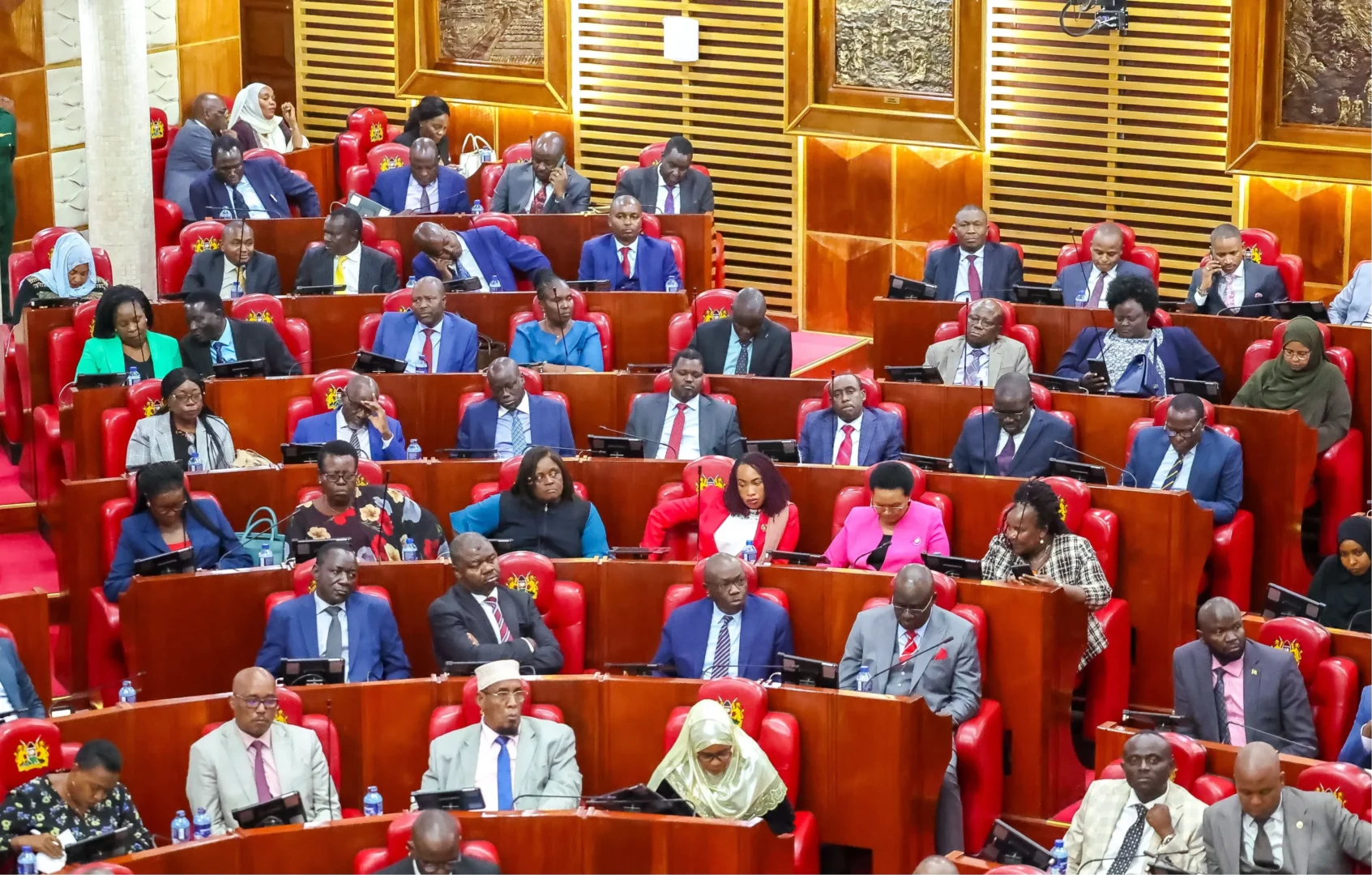
NAIROBI, Kenya — Kenya’s parliamentary watchdog on education has directed authorities to ensure the immediate release of school certificates withheld from students over unpaid fees and related disputes.
The National Assembly Committee on Education issued a 20-day ultimatum to the Teachers Service Commission (TSC) to enforce compliance by school heads across the country.
Committee Chairperson Julius Melly said the government already covers national examination costs and warned that students should not be penalised through the withholding of academic documents.
“All those certificates be released out of school custody,” Melly said.
The directive came during a committee session that also criticised the absence of Basic Education Principal Secretary Julius Bitok, who failed to appear before lawmakers.
MPs described the absence as disrespectful to Parliament and called for disciplinary measures.
Dick Maungu, the Lwanda MP, criticised the Principal Secretary for failing to attend the hearing.
“I want to take it out that the PS has a very low opinion on the matters of the House and this committee should actually sanction him and impose the highest penalty possible,” he said.
Kabondo Kasipul MP Eve Obara also urged stronger action.
“The PS must be called out. We cannot allow this to continue, particularly in the department of education that is critical for the future of this country,” she said.
Lawmakers have now tasked the TSC with ensuring all affected learners receive their certificates within the stipulated 20-day window.
Also Read: KNEC releases 2023 KCPE, KCSE certificates, warns schools against illegal withholding
The issue of withheld certificates has been a recurring national concern, with rights groups arguing that the practice restricts access to employment, tertiary education and professional opportunities.
Kenya’s education policy guidelines discourage schools from retaining certificates over fee arrears, but enforcement has remained inconsistent, prompting repeated parliamentary interventions.
The committee’s latest directive signals renewed pressure on education authorities to standardise compliance and protect students’ academic rights, particularly as the country continues to expand access to secondary and post-secondary education.
