



BEIJING, China — China has confirmed that citizens of the United Kingdom (UK) and Canada will be permitted to enter the country without a visa from Tuesday, following high-level diplomatic engagements between Beijing and the two Western governments.
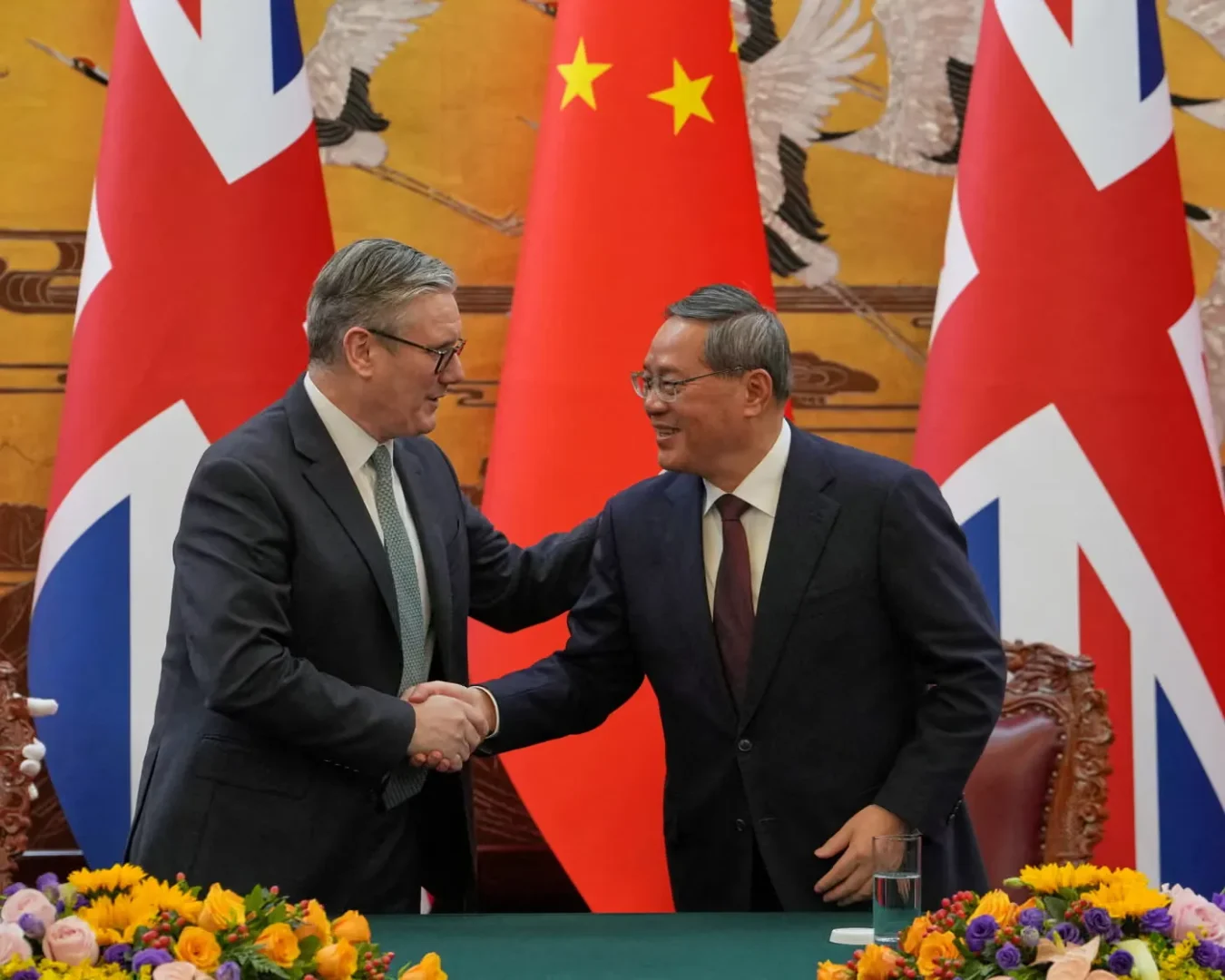
The announcement, made by China’s foreign ministry on Sunday, comes after separate visits to Beijing in January by British Prime Minister Keir Starmer and Canadian Prime Minister Mark Carney.
Both leaders had sought to recalibrate relations with China amid shifting global alliances and growing economic uncertainty.
According to the ministry, the visa-free policy will remain in place until 31 December.
“Holders of ordinary passports from these countries can enter China without a visa for business, tourism, visiting relatives and friends, exchanges, or transit for a period not exceeding 30 days,” the statement said.
It added that the move was intended to “further facilitate people-to-people exchanges between China and other countries”.
Diplomatic reset amid global realignment
The decision marks a notable development in China’s efforts to deepen engagement with Western economies at a time of strategic recalibration.
Both London and Ottawa have faced pressure to diversify trade and diplomatic partnerships as relations with Washington have at times appeared unpredictable.
During their January visits, both Mr Starmer and Mr Carney met senior Chinese officials, including President Xi Jinping. Discussions reportedly covered trade expansion, climate cooperation, education exchanges and travel facilitation.
For the United Kingdom, the announcement aligns with broader efforts to boost economic growth and international investment following a period of sluggish performance and post-Brexit adjustments.
For Canada, whose relations with Beijing have been strained in recent years over diplomatic and security disputes, the agreement may signal a tentative thaw.
What the policy means
Under the arrangement:
- British and Canadian ordinary passport holders may stay up to 30 days.
- The exemption covers tourism, business, family visits, exchanges and transit.
- The measure is temporary and set to expire at the end of the year.
China has, in recent months, expanded unilateral visa-free access to several European and Asian nations as part of a strategy to revive inbound travel and stimulate economic activity following years of pandemic-era restrictions.
Also Read: UK imposes visa restrictions on DR Congo over migrant return policy
Tourism to China has been gradually recovering, but international arrivals remain below pre-pandemic levels.
Analysts say easing entry requirements could encourage business travel and academic exchanges, sectors both Beijing and Western governments have identified as areas of potential cooperation despite wider geopolitical tensions.
Strategic implications
The move also reflects a pragmatic balancing act. While Western governments continue to raise concerns over human rights, security issues and trade imbalances, economic interdependence remains significant.
China is one of the United Kingdom’s largest trading partners outside Europe, while Canada’s agricultural and natural resource sectors have long relied on access to Chinese markets.
Policy experts say visa liberalisation can serve as a low-risk confidence-building measure, fostering goodwill while allowing both sides to maintain firm positions on more contentious strategic issues.