





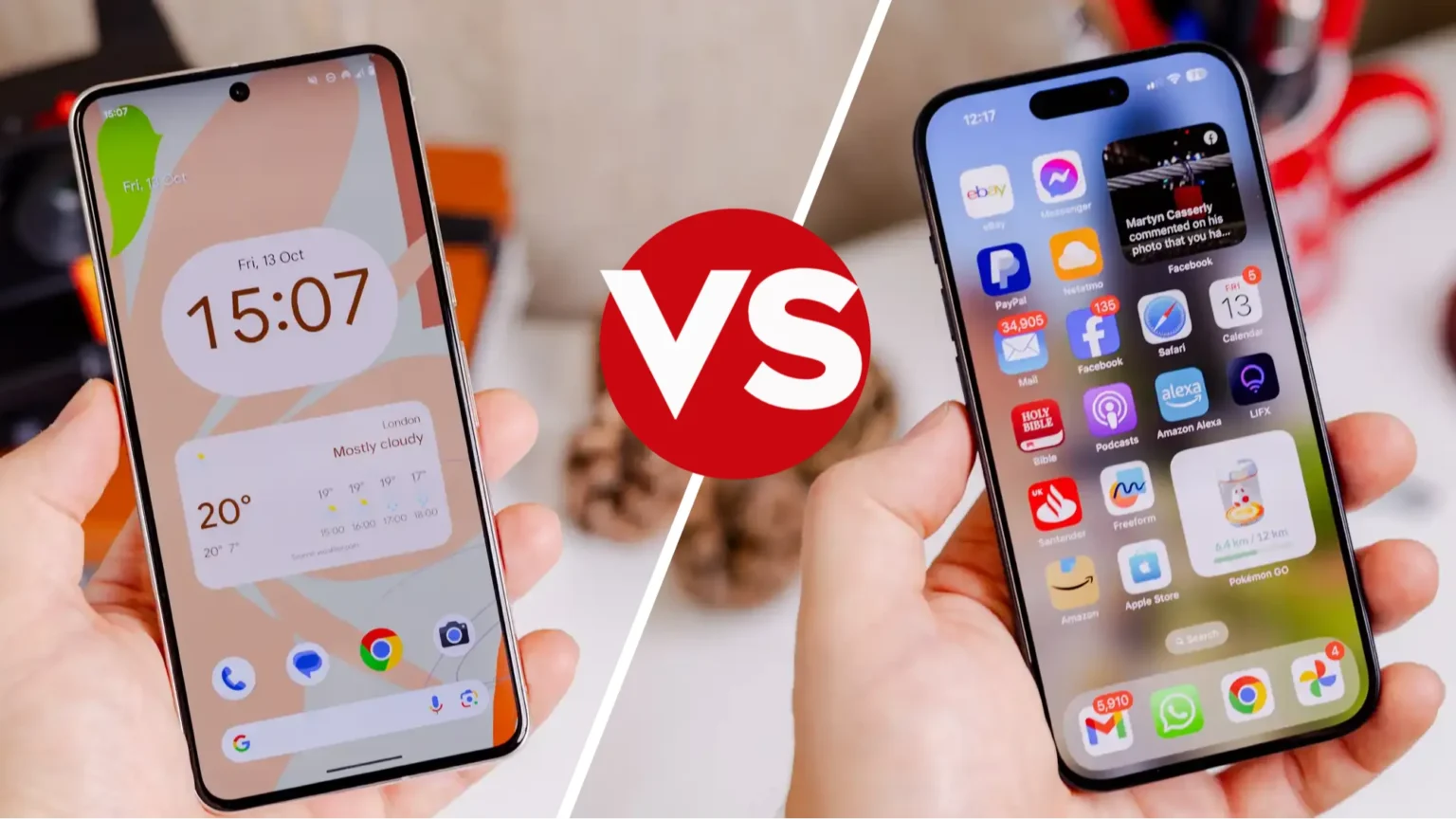
NAIROBI, Kenya — Apple’s iPhones consistently rank among the most expensive smartphones on the market, often retailing at significantly higher prices than many Android devices. The pricing gap has long sparked debate among consumers: why do iPhones cost more?
The answer lies in a combination of hardware integration, software control, brand positioning, supply chain strategy and long-term value retention.
1. Vertical integration: Hardware and software control
Unlike most Android manufacturers, Apple designs both its hardware and operating system. The iPhone runs on iOS, a proprietary system developed exclusively for Apple devices.
This vertical integration allows Apple to optimise performance tightly around its in-house silicon chips, currently the A-series processors, which consistently rank among the highest-performing smartphone chips in benchmark tests.
Most Android phones, by contrast, rely on third-party processors such as Qualcomm Snapdragon or MediaTek, and operate on Google’s Android system, which is licensed across dozens of manufacturers.
This broader ecosystem creates price diversity, from entry-level phones under $150 to premium flagships exceeding $1,000.
2. Premium positioning and brand equity
Apple positions itself as a premium technology brand. Its pricing reflects not only manufacturing costs but also brand value, research and development investment, and global marketing strategy.
Market analysts note that Apple maintains some of the highest profit margins in the smartphone industry.
By contrast, many Android manufacturers compete aggressively on price, particularly in emerging markets, where affordability drives volume.
3. Longer software support
One of the most cited advantages of iPhones is extended software support. Apple typically provides five to seven years of iOS updates for its devices.
Many Android brands historically offered two to three years of updates, although this is changing.
Samsung and Google now promise up to seven years of security and software updates for select flagship models.
However, this level of support is not universal across all Android brands.
Longer software support increases the usable lifespan of iPhones, which partly justifies their higher upfront cost for some buyers.
4. Resale value
iPhones tend to retain resale value better than most Android devices. Industry resale platforms consistently show older iPhones selling at higher second-hand prices compared to similarly aged Android phones.
Higher residual value effectively reduces the total cost of ownership over time.
5. Supply chain and materials
Apple uses premium materials, such as aerospace-grade aluminium, stainless steel, and custom display technologies, in its flagship models.
It also invests heavily in proprietary chip design, camera systems and biometric security technologies like Face ID.
Android manufacturers span a much broader spectrum, producing devices ranging from budget plastic builds to ultra-premium foldables.
This diversity contributes to significant price variation within the Android ecosystem itself.
6. Ecosystem lock-in
Apple’s ecosystem — including MacBooks, iPads, Apple Watch and services like iCloud and Apple Music, creates seamless cross-device integration.
Features such as AirDrop, iMessage and Handoff function most efficiently within Apple’s closed ecosystem.
Consumers who are already invested in Apple products may be willing to pay more for this continuity.
7. Market strategy differences
Android is an open-source operating system used by multiple manufacturers, leading to intense price competition.
This competition drives innovation but also pushes prices downward in many segments.
Apple, on the other hand, releases a limited number of models annually, focusing on controlled supply and consistent pricing tiers.
Are all Android phones cheaper?
Not necessarily.
Flagship Android devices from Samsung (Galaxy S and Z series), Google (Pixel Pro models) and other premium brands often match or exceed iPhone pricing.
Also Read: Kenya bans 21 mobile phone brands over safety and health risks
However, Android’s strength lies in its price diversity, offering options at nearly every budget level.
Apple also introduced relatively lower-cost models such as the iPhone SE in previous cycles to compete in mid-range markets, although its core identity remains premium.
The bottom line
iPhones are generally more expensive because of Apple’s vertically integrated ecosystem, long-term software support, strong brand positioning, higher resale value and premium market strategy.
However, price does not always equate to superiority.
Android offers broader flexibility, hardware variety and price accessibility, making the choice largely dependent on user preference, ecosystem loyalty and budget considerations.
