


KAMPALA, Uganda — The Uganda Communications Commission (UCC) has issued a firm warning to broadcasters over the use of radio and television platforms to challenge officially declared election results, saying the practice undermines the law and risks destabilising public confidence in the electoral process.
In a public notice dated Tuesday, February 10, 2026, the regulator said it had observed an emerging trend in which unsuccessful candidates in parliamentary and local government elections resort to broadcast media to contest results through sensational and unverified claims.
UCC reminded broadcasters and the public that Uganda’s Electoral Commission (EC) is the sole constitutional body mandated to declare election results.
Candidates dissatisfied with outcomes, it said, must seek redress through the courts by filing election petitions within timelines set out in law.
“Broadcast media should not serve as alternative venues for litigating election disputes,” the notice states.
The commission cautioned that the broadcast of unverified results, parallel vote tallies or speculative allegations is unlawful and poses a serious risk of public panic, confusion and erosion of trust in democratic institutions.
UCC further warned that such content may inflame tensions, incite unrest and damage Uganda’s democratic standing, particularly during sensitive post-election periods.
As a result, all broadcasters have been directed to refrain from airing programmes or commentary that dispute declared election results without verification from official sources.
This includes content that promotes unofficial outcomes or unsubstantiated allegations.
Also Read: Internet shutdowns in Uganda: From authoritarian tool to weapon of silence
The regulator stressed that strict editorial oversight is required, with all election-related information cross-checked against data released by the Electoral Commission (EC).
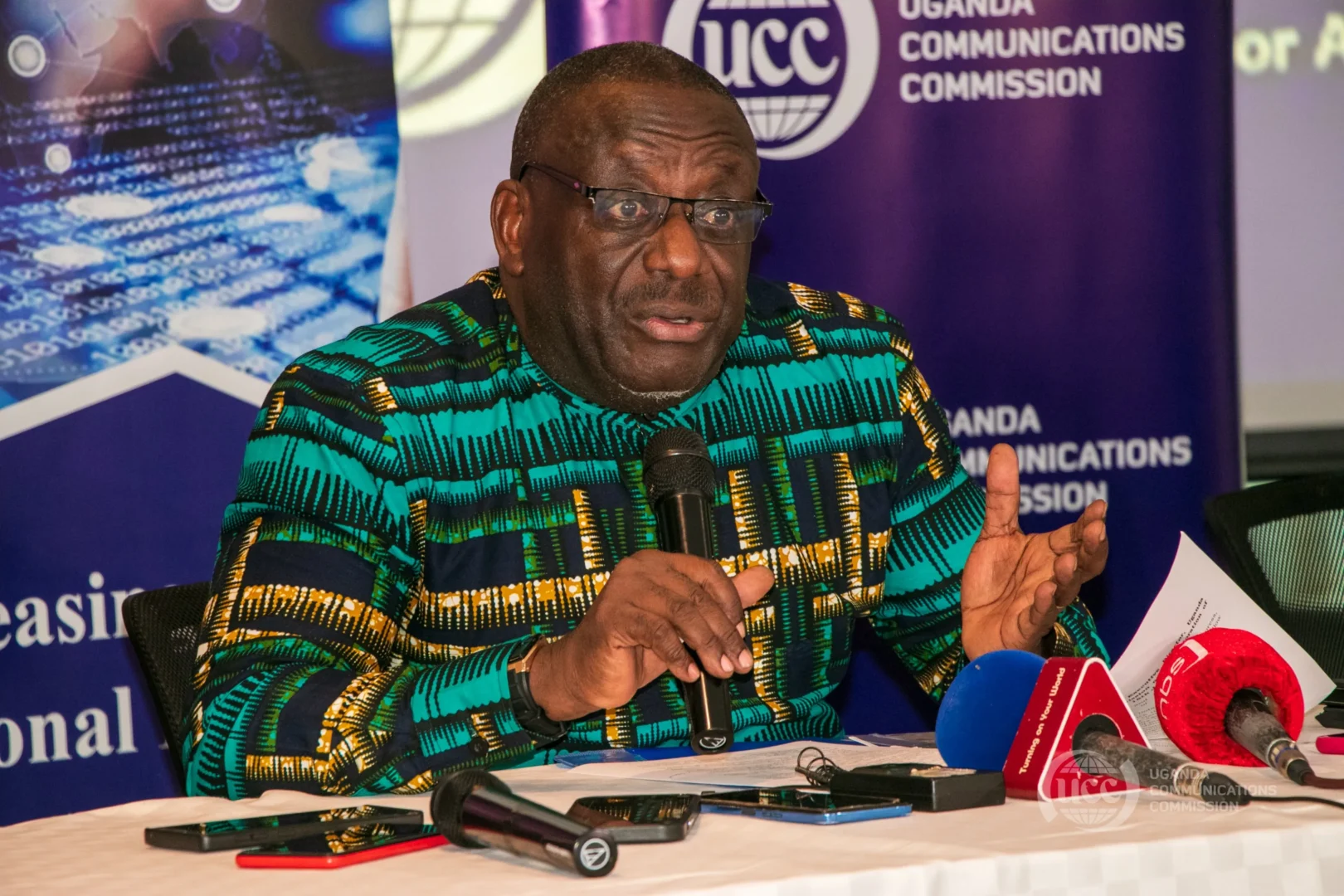
UCC Executive Director Nyombi Thembo said the commission will take decisive enforcement action against any broadcaster found in violation of the law or existing broadcasting guidelines.
The warning comes as Uganda continues to experience heightened political activity following the 2026 general election cycle, a period that has historically tested the media’s role in balancing freedom of expression with responsibility and public order.
Media owners, editors and presenters were urged to exercise professionalism and restraint, and to use broadcast platforms in a manner that promotes national unity, electoral credibility and democratic integrity.
