


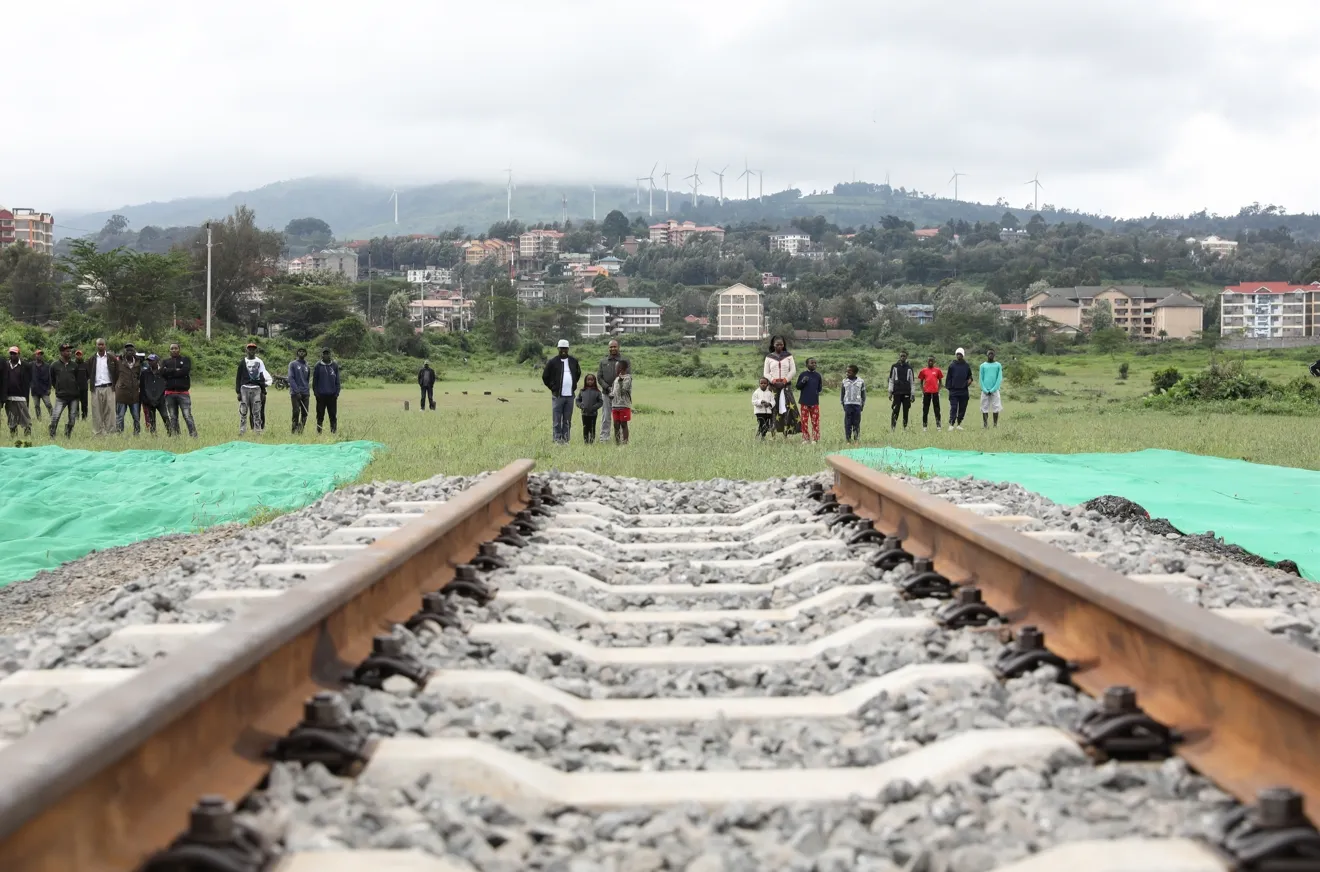
NAIROBI, Kenya — The High Court has extended interim orders in a constitutional petition filed by activist Okiaya Omtatah, who is challenging the implementation of the proposed Ngong–Riruta railway project.
The matter came up for mention on Tuesday before Justice Bahati Mwamuye, during which the Kenya Railways Authority (KRA) denied allegations that it had acted in contempt of court.
Through its submissions, the authority told the court that activities undertaken at the project site were limited to fencing the corridor for security purposes, arguing that the measures did not amount to a breach of existing court orders.
In his ruling, Justice Mwamuye said the interim orders had been varied but would remain in force until the close of business on 26 February 2026. He clarified that the orders do not prohibit works intended to preserve the value, security or utility of the project while the case remains before the court.
“These orders are of immediate effect. We will revisit the matter at that stage,” the judge said.
The court scheduled the petition for hearing on 26 February, when it will assess compliance with the interim directions and review progress relating to the contested railway development.
Also Read: High Court fast-tracks Omtatah’s legal challenge against Riruta–Ngong railway project
The Ngong–Riruta rail project forms part of broader efforts by the government to expand commuter rail infrastructure in the Nairobi metropolitan area, aimed at easing congestion and improving public transport.
However, the project has drawn legal and public scrutiny over concerns related to procurement, land use, environmental safeguards and adherence to constitutional requirements.
Omtatah, a frequent litigant in public interest cases, has argued that the project should not proceed without full compliance with the law, a position that has placed infrastructure agencies under increasing judicial oversight.
The outcome of the petition is expected to have wider implications for the implementation of large-scale public infrastructure projects, particularly where interim court orders intersect with ongoing preparatory works.
