




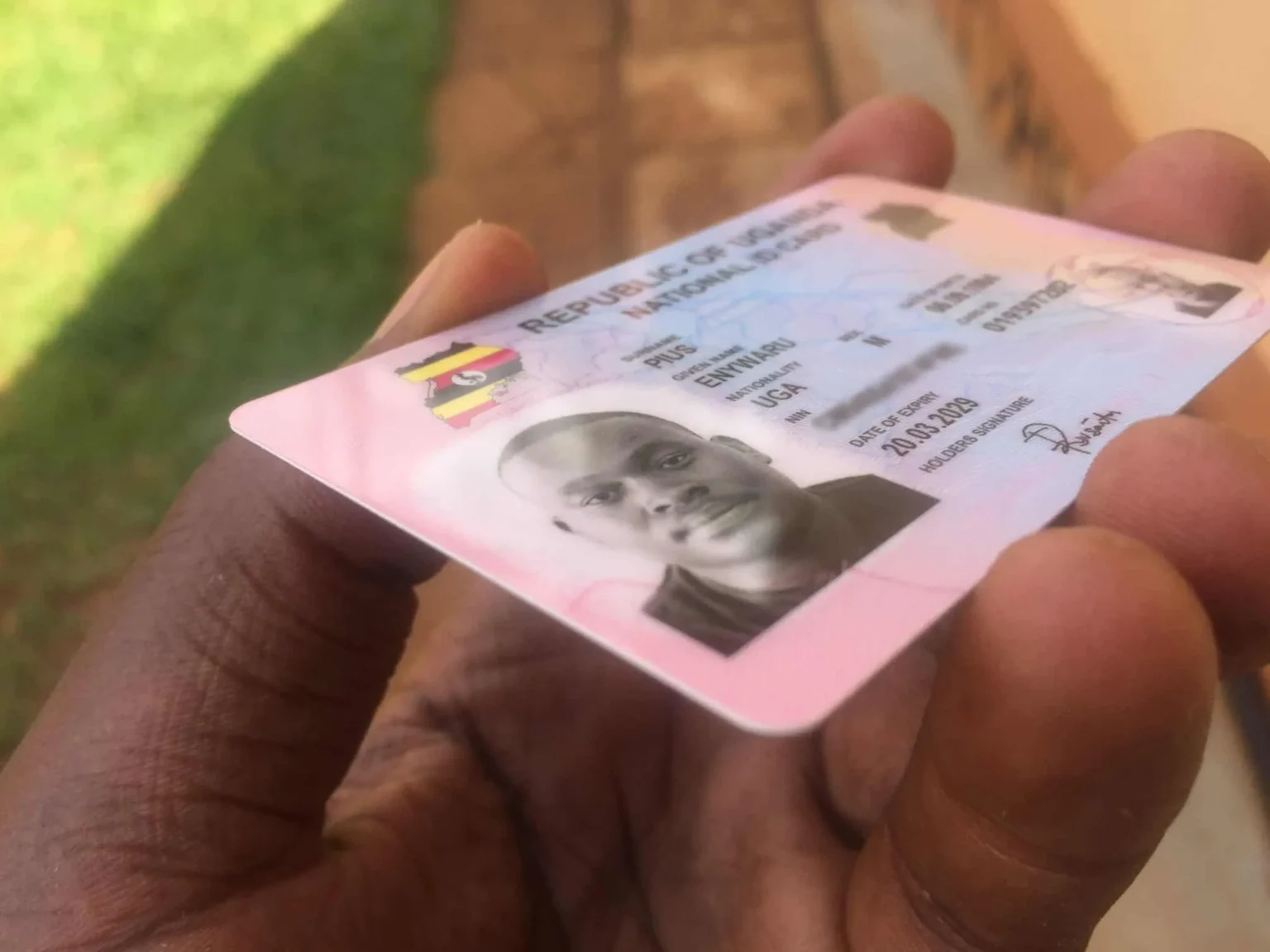
KAMPALA, Uganda — Uganda’s National Identification and Registration Authority (NIRA) has sought to reassure the public following widespread concern over the non-functionality of QR codes embedded in newly issued, technologically enhanced national identity cards.
Since the rollout of the upgraded IDs, a growing number of citizens have reported being turned away by banks and other service providers after QR codes on their cards failed to display information when scanned. The issue has triggered frustration and debate online, particularly on X, where users questioned the readiness of the new system.
Addressing the concerns, NIRA’s National Registrar, Claire Ollama, acknowledged that while the physical cards have been issued, the digital infrastructure required to support the QR code functionality is still being finalised.
“This system was a heavy journey. As we build the new system, the window is not yet open. The QR codes are currently inactive and cannot be read anywhere, but I want to assure the public that this is not permanent. They will be fully operational by March 31,” Ollama said.
The delay has especially affected Ugandans seeking financial and essential services where electronic identity verification is mandatory, exposing the risks of transitioning to digital systems without full backend readiness.
Ollama, however, dismissed fears that the cards themselves are defective, insisting there will be no reprinting exercise.
“The system has been updated in phases. We have already communicated with over 138 legal entities that require the use of these verification codes. We have guided them on the current approach as we finalize the transition,” she explained.
In the interim, NIRA has implemented alternative verification mechanisms, allowing banks and other authorised institutions to authenticate identities directly through the authority while the QR system remains inactive.
Also Read: NIRA begins issuing new national IDs: Here is what happens to your old card
Reiterating her call for calm, Ollama said NIRA was actively engaging stakeholders to prevent citizens from being locked out of critical services during the transition period.
“The system is not yet active, but take peace; it is coming. We are reaching out and helping all entities that need it to ensure no one is permanently blocked from services,” she said.
Uganda’s ID upgrade is part of a broader regional push towards digitised identity systems aimed at improving service delivery, enhancing security, and reducing fraud.
However, experts have repeatedly warned that such transitions require careful coordination between issuing authorities and service providers to avoid public disruption.