


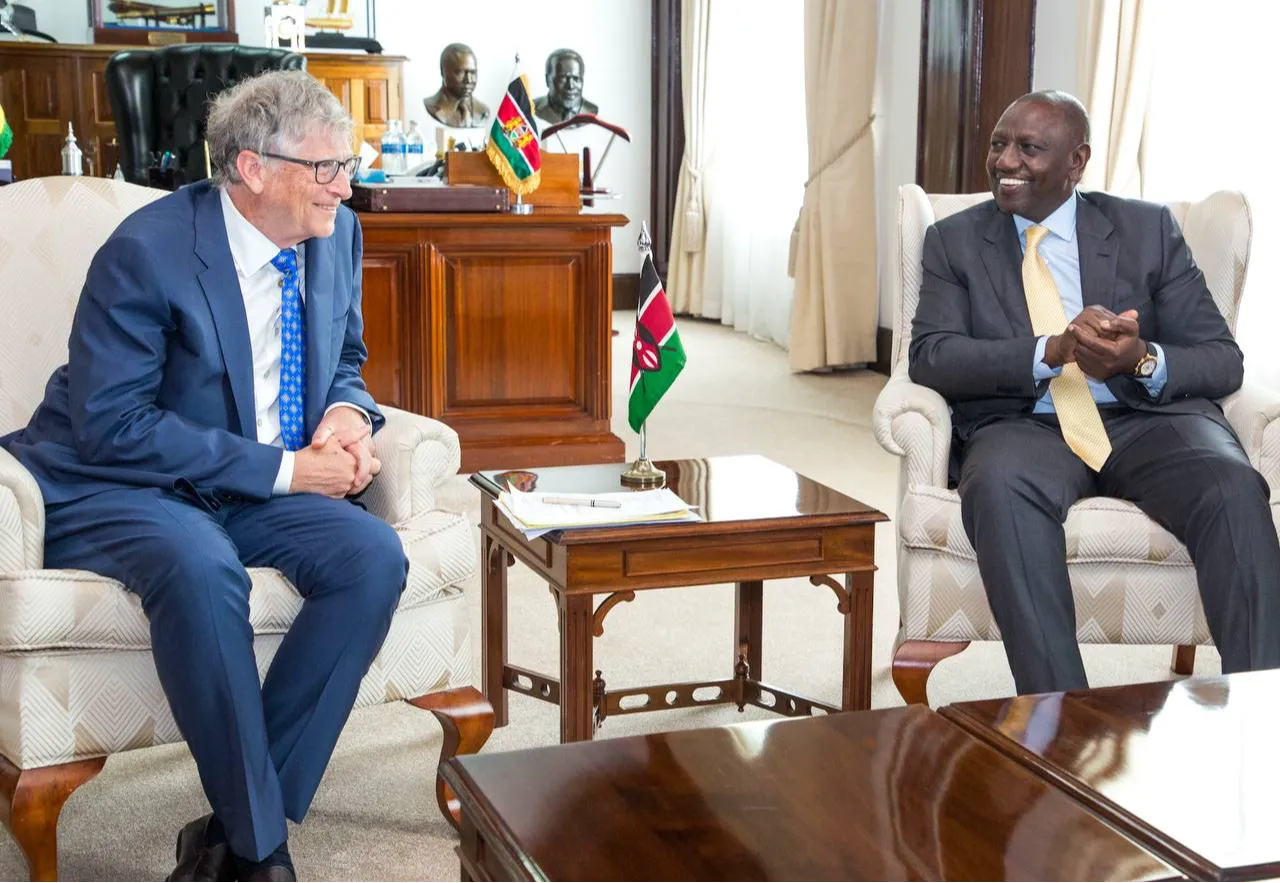
NAIROBI, Kenya — The Bill & Melinda Gates Foundation has firmly dismissed claims circulating on social media that it is responsible for a surge in mosquito populations in Kenya, describing the allegations as false and misleading.
In a public clarification, the foundation sought to distance itself from accusations suggesting it had conducted unauthorised biological interventions involving genetically modified mosquitoes in the country.
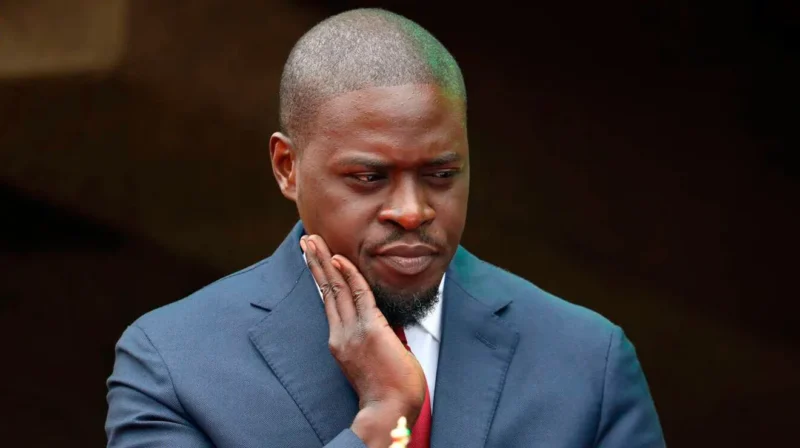
The claims gained traction online after Senior Counsel and politician Paul Muite posted on X, accusing the foundation of releasing mosquitoes from laboratories in Nairobi under the guise of malaria control, and alleging the insects posed a threat to vulnerable groups, including children and the elderly.
He wrote: “@gatesfoundation: Our Capital City Nairobi, is now flooded with mosquitoes released from your laboratories to eliminate the malaria-carrying ones we’re told. We believe your genetically modified mosquitoes are designed to harm us. They’re now busy biting children and the elderly.”
In response, the Gates Foundation issued a brief but categorical denial, stating that it does not release mosquitoes, operate laboratories that do so, or directly run vector-control programmes in Kenya or elsewhere.
“The Gates Foundation is aware of social media posts claiming that we release mosquitoes in Kenya. This claim is false,” the foundation said.
“The Gates Foundation does not release mosquitoes, operate laboratories that do so, or run vector-control activities in Nairobi or anywhere else.”
The foundation also emphasised that its operations in Kenya adhere strictly to national laws and regulatory frameworks, noting that it does not act independently of government oversight.
According to the organisation, malaria prevention and control in Kenya are led by Kenyan authorities, with the foundation playing a supporting role rather than directing policy or implementation.
“In Kenya, malaria prevention and control efforts are led by Kenyan authorities and institutions, in accordance with national laws and regulatory oversight,” the statement added.
“The foundation supports Kenyan-led priorities transparently and responsibly, working alongside governments, researchers, and public health partners.”
Mr Muite’s remarks sparked widespread debate online, with many Kenyans expressing concern and suspicion over mosquito-related research, reflecting broader public unease about biotechnology, foreign-funded health interventions, and transparency in scientific programmes.
The controversy comes as malaria remains a persistent public health challenge in Kenya and across the wider region. The disease continues to place strain on health systems, particularly in endemic areas.
Also Read: Museveni defends continued military deployment on Uganda’s lakes
Kenya’s National Malaria Control Programme (NMCP), under the Ministry of Health, coordinates key interventions such as the distribution of long-lasting insecticidal nets (LLINs) and indoor residual spraying (IRS), which are widely recognised as frontline malaria prevention strategies.
While the Gates Foundation funds global research into innovative malaria control tools, including initiatives such as the World Mosquito Program and Target Malaria, it clarified that any research or pilot activities linked to these efforts in Kenya are carried out by local institutions, subject to government approval and regulation.
The foundation reiterated that it does not conduct field operations independently, nor does it bypass national authorities in any public health activity within the country.