


NAIROBI, Kenya — Kenya has designated 13 individuals as being involved in terrorism and the financing of terrorist activities, triggering targeted financial sanctions aimed at cutting off their access to the formal financial system.
The designations were announced by the Counter-Financing of Terrorism Inter-Ministerial Committee, which directed banks and all reporting institutions to immediately freeze the assets of the listed individuals and terminate any existing or future financial relationships with them.
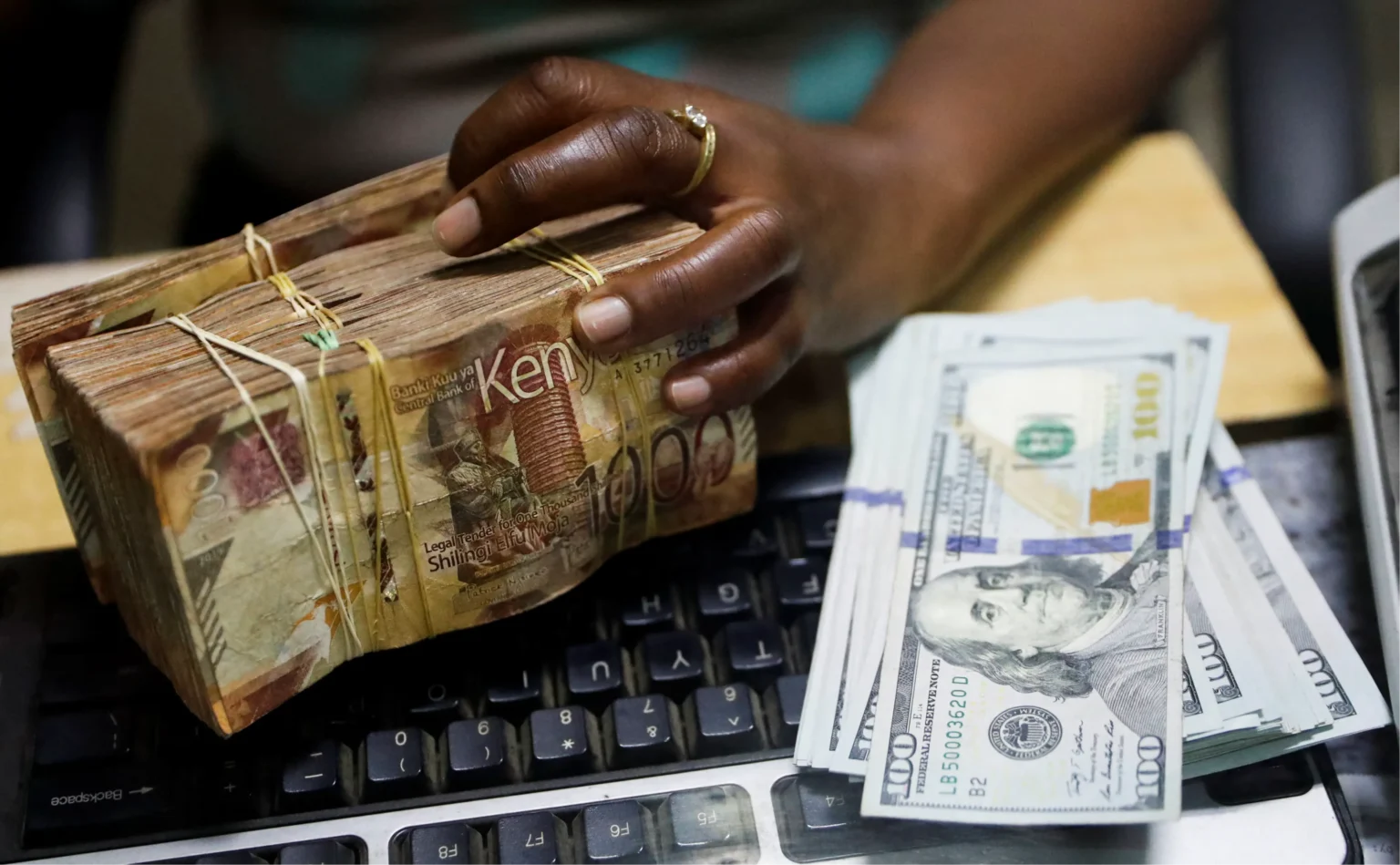
Under the measures, financial institutions are prohibited from opening or maintaining accounts, processing transactions, or providing any form of financial service to the designated persons. The sanctions also extend to mobile money platforms, microfinance institutions, insurers, and other regulated entities.
According to the updated domestic sanctions list published on the website of the Financial Reporting Centre (FRC), those listed include 10 Kenyan nationals, two Tanzanians, and one Ugandan, underscoring the cross-border nature of terrorism financing networks in the region.
The individuals named are Violet Omwoyo, Juma Ambare, Zakariya Kamal Sufi, Jamal Abdi Mohamed, Abubakar Swalleh, Salehe Minja, Jerumani Koja, Hadija Issack Ali, Abdiweli Dege, Ramadhan Hamisi, Robert Karani, Zuena Machabe, and Mohamed Siyat.
Authorities said the sanctions include asset freezes and broad prohibition measures, designed to prevent the listed individuals from accessing or exploiting the financial system to support terrorism-related activities, whether directly or through intermediaries.
In a public notice, the government warned individuals and businesses against assisting, facilitating, or disguising transactions linked to sanctioned persons.
The notice cautioned that providing financial services, holding or transferring assets on their behalf, concealing beneficial ownership, or offering commercial cover could attract severe legal consequences.
Also Read: CS Murkomen insists Gachagua must record statement over ‘terrorism’ claims made in US
Officials said such actions may lead to investigations, seizure of assets, prosecution, and possible arrest under Kenya’s counter-terrorism and anti-money laundering laws.
Broader security context
The move comes amid heightened regional security concerns, particularly in East Africa, where authorities have repeatedly warned that extremist groups exploit informal financial channels, mobile money platforms, and cross-border trade to move funds undetected.
Kenya has, in recent years, strengthened its anti-money laundering and counter-terrorism financing (AML/CFT) framework to comply with international obligations under the Financial Action Task Force (FATF) and to prevent its financial system from being abused by extremist networks.
Security analysts say targeted sanctions are increasingly being used as a preventive tool, allowing authorities to disrupt terror networks financially even before criminal trials are concluded.
The Financial Reporting Centre urged financial institutions and the public to remain vigilant and to promptly report any suspected dealings linked to sanctioned individuals as enforcement agencies continue to monitor compliance.