


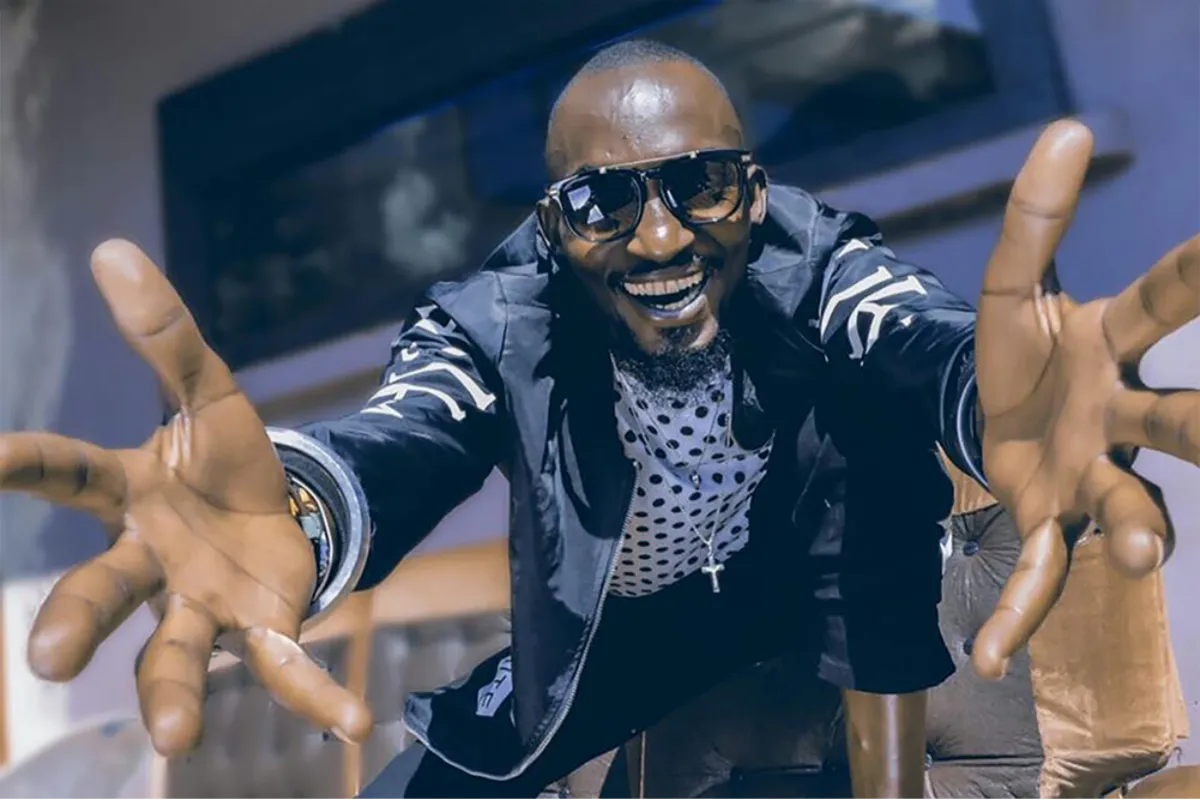
KAMPALA, Uganda — Eight years after his death, the music of Mowzey Radio still animates radios, playlists and funerals across Uganda and East Africa, a testament to a voice that helped redefine contemporary Ugandan music and shaped an era of popular culture.
Born Moses Nakintije Ssekibogo on 25 January 1985, Mowzey Radio grew up in a modest setting in Busoga and Wakiso regions.
From an early age, he was drawn to melody and rhythm, earning a reputation among friends and classmates for an uncanny ability to replicate songs after hearing them once.
From backing vocalist to musical vanguard
While studying community psychology at Makerere University, Radio began recording music in 2004, releasing his first solo track Tujja Kuba Wamu, which hinted at the depth his voice would later command.
It was not long before he joined Jose Chameleone’s Leone Island Crew as a backing singer, where he met Douglas Mayanja, better known as Weasel.
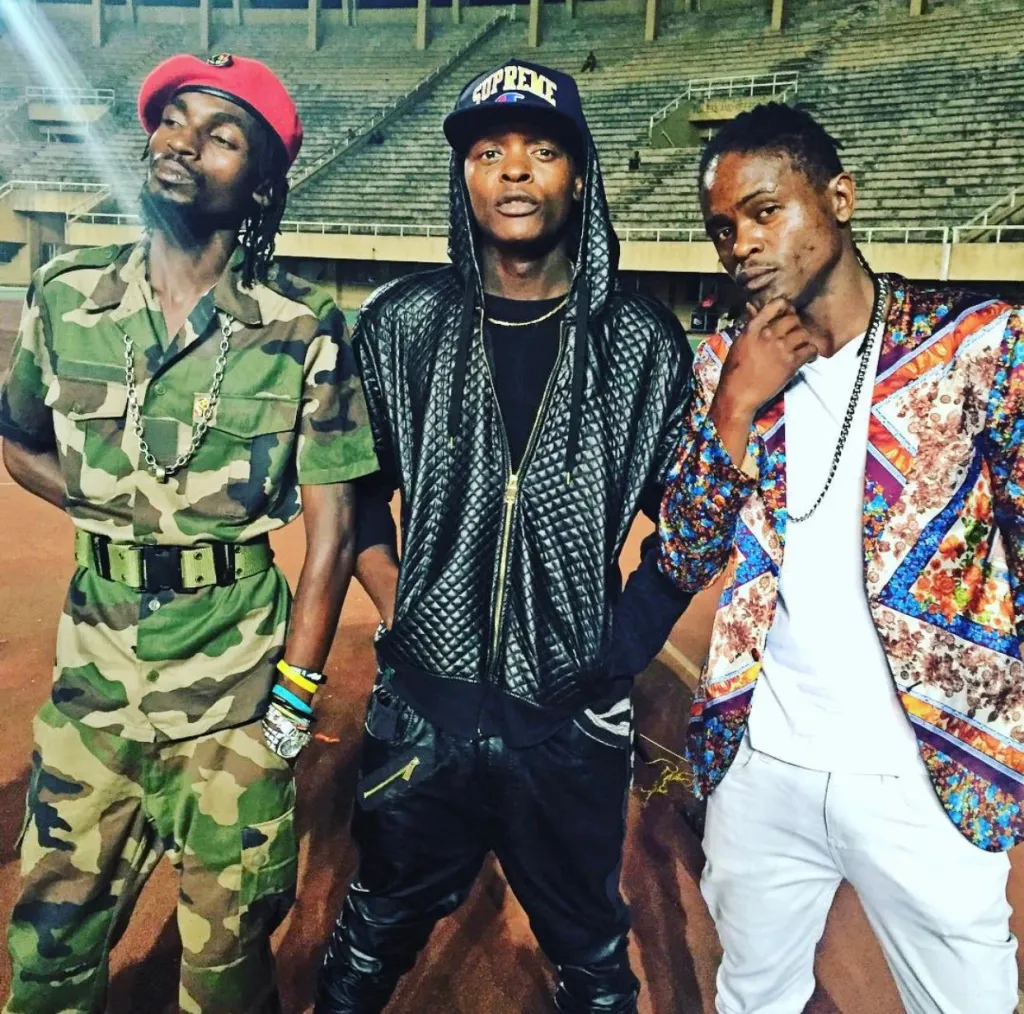
Their chemistry was instant. By 2007, Radio and Weasel made the bold decision to leave Leone Island and form the Goodlyfe Crew, a move that would upend Uganda’s music landscape.
Their debut single Nakudata was more than a hit; it marked the arrival of a new sound blending reggae, dancehall, Afrobeat and R&B in a way that resonated across demographics.
Over the next decade, Mowzey Radio wrote and recorded more than 229 songs, released 11 albums and delivered classics such as Neera, Bread and Butter, Ngamba and Nyambula.
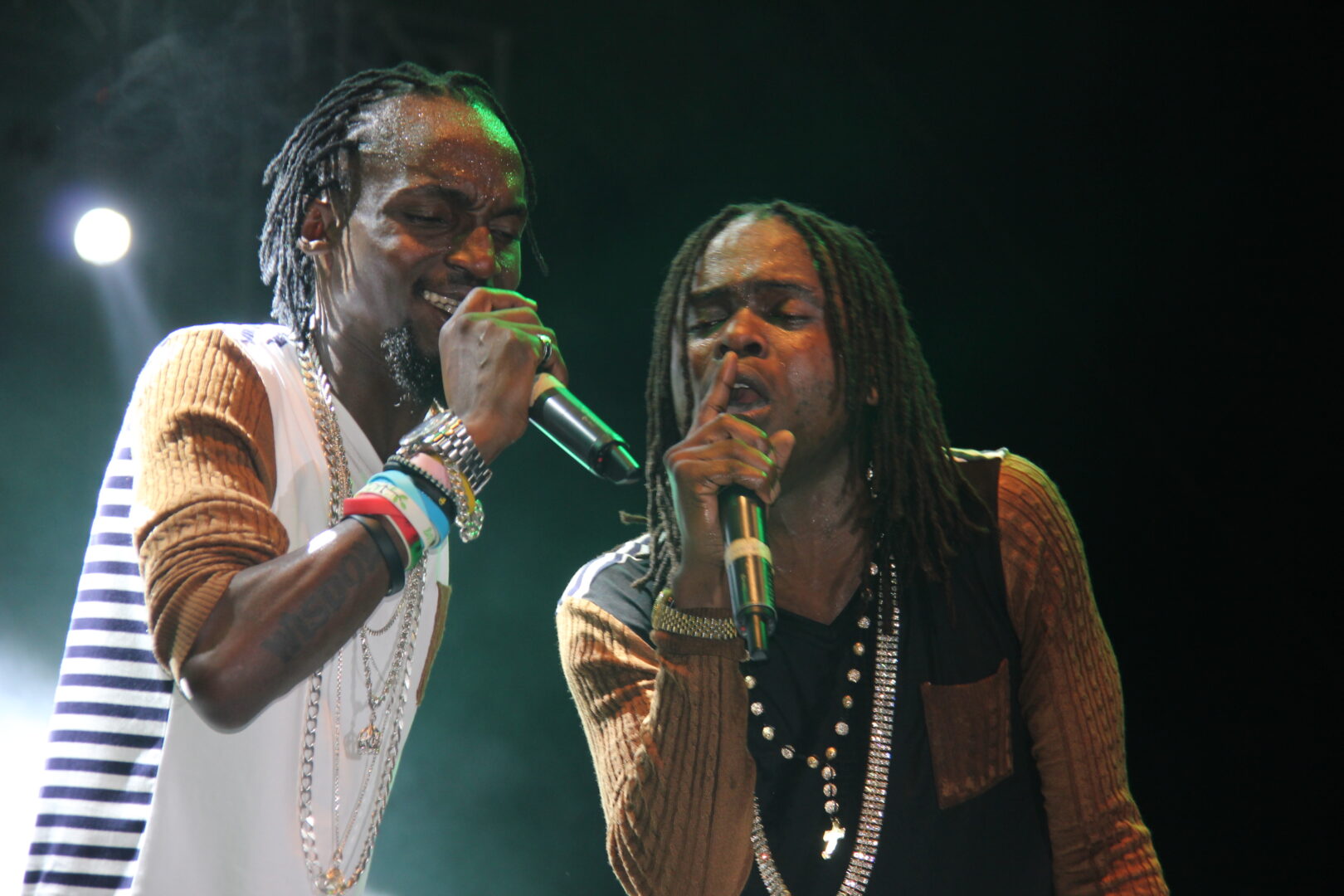
Each track became a cultural moment, soundtracking celebrations, heartbreaks and daily life from Kampala’s streets to rural homesteads.
An influential legacy beyond hits
Radio was not only a performer but a prolific songwriter. He lent his pen to songs by other artists including Juliana and Irene Ntale, helping elevate younger voices even as his own stature grew.
His versatility and emotional depth gave his music a unique intimacy, fans did not just hear him; they felt him.

His impact extended beyond Uganda. The duo earned multiple awards, such as the HiPipo Music Awards and Pearl of Africa Music Awards, and collaborated with continental stars, most notably Nigerian singer Wizkid on Don’t Cry, symbolising a growing East–West African musical dialogue.
Tragedy and national mourning
On 22 January 2018, Radio was involved in an altercation at a bar in Entebbe, sustaining a severe head injury.
He was rushed to hospital and spent ten days in critical care, with fans, friends and even the President of Uganda Yoweri Museveni contributing to his medical bills. Despite the efforts, he died on 1 February 2018 at age 33, leaving a devastated music community.
The massive outpouring of grief was evident at his funeral, as thousands gathered to honour a musician who had become part of the national soundtrack.
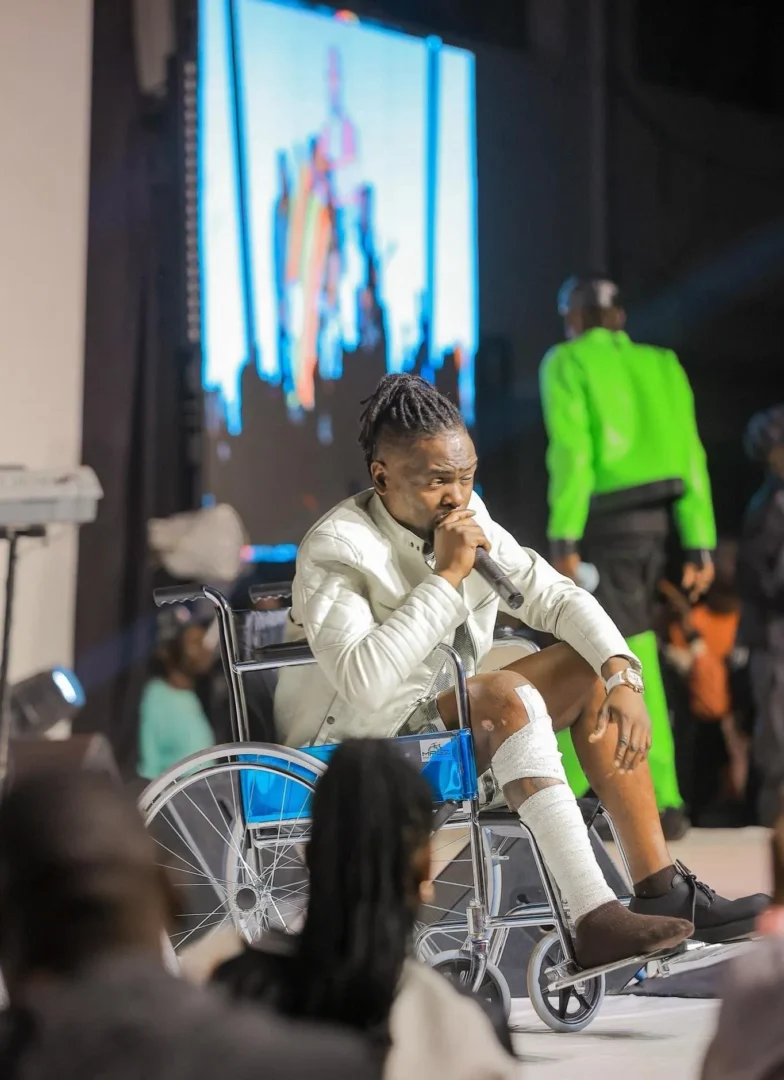
Tributes flowed from leaders, artists and ordinary Ugandans who found fragments of their own lives reflected in his lyrics.
Also Read: Mowzey Radio’s absence haunts Uganda’s music scene as Weasel struggles solo
Years on, his influence persists, not only through his commercially successful catalog but in the many artists who cite him as an inspiration, such as Azawi and emerging talents who shape the future of Ugandan sound.
Remembering the man and the music
Mowzey Radio was a complex figure, acclaimed yet human. He grappled with personal struggles and controversies like many artists, yet his flaws never eclipsed his musical gifts. As one contemporary put it, you didn’t just hear Radio sing, you felt him.
Though his life was truncated, the legacy of Mowzey Radio endures. His ballads remain staples at weddings and wakes, his anthems still ignite dance floors, and his storytelling continues to shape the region’s musical identity.
On airwaves blasted from car speakers stuck in Kampala traffic, through late-night DJ sets across East Africa and on curated digital playlists, Radio’s voice persists, a reminder that true art transcends time.
