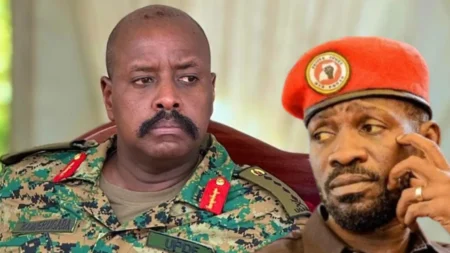
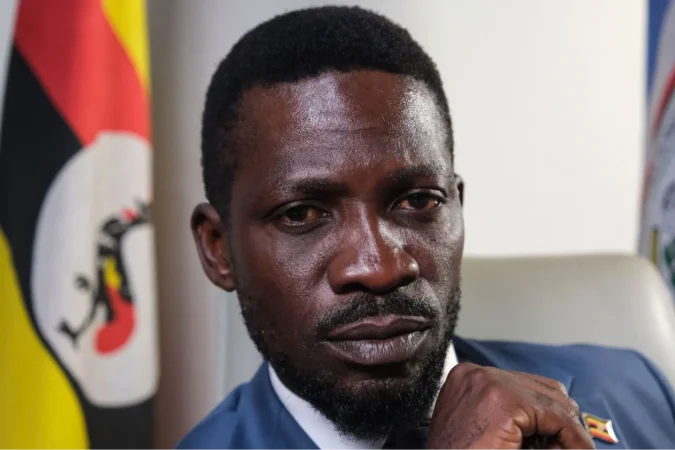


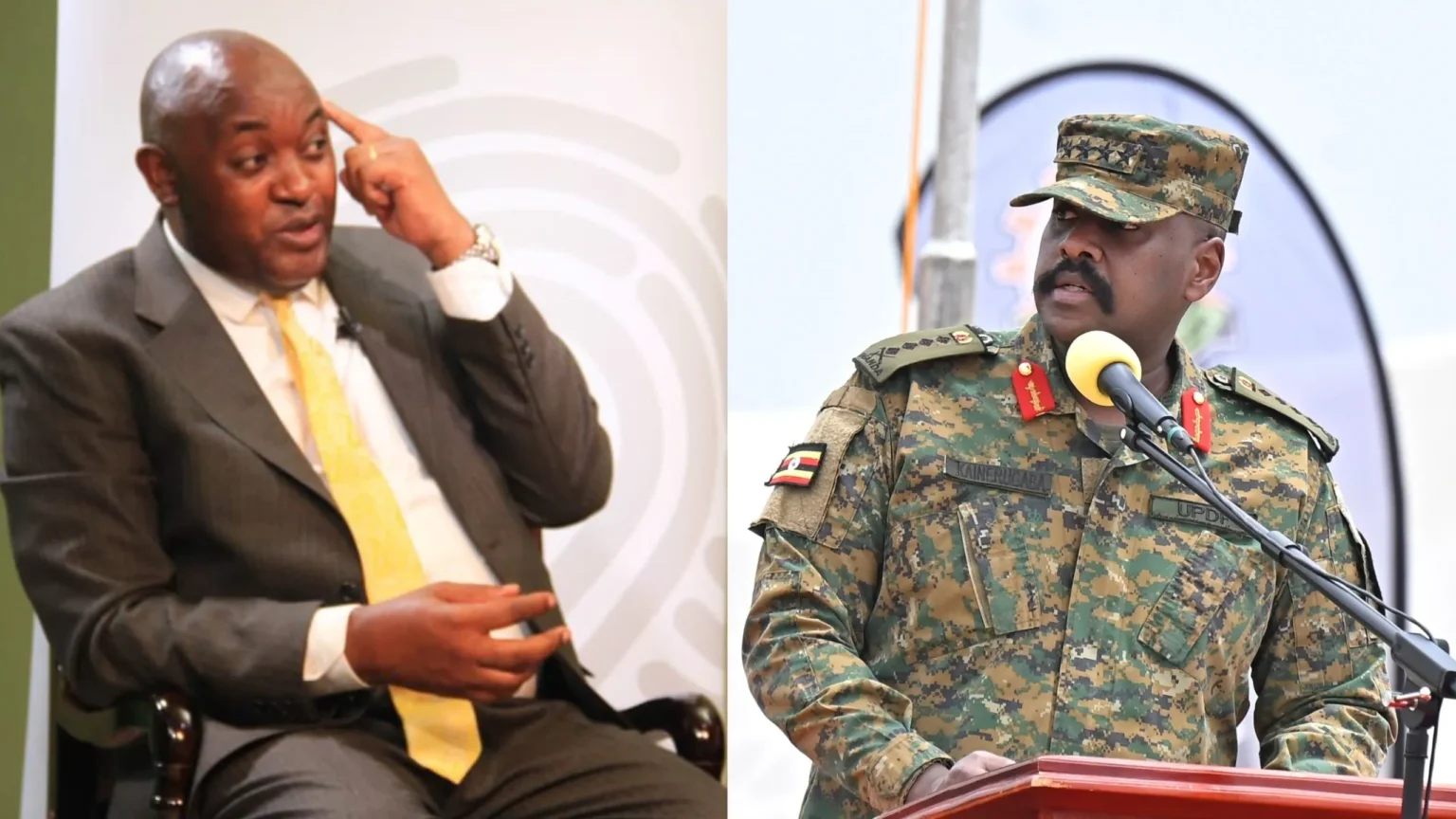
KAMPALA, Uganda — A rare public clash has erupted at the heart of Uganda’s government, with senior army chief General Muhoozi Kainerugaba and Information Minister Dr Chris Baryomunsi trading sharp rebukes over social media conduct and its impact on official communication.
The row has underscored deepening tensions within the ruling establishment over the informal use of social media by senior officials, particularly the controversial online behaviour of the Chief of Defence Forces (CDF), who is also the son of President Yoweri Museveni.
Public disagreement over X posts
The disagreement stems from Baryomunsi’s public criticism of Gen Muhoozi’s frequent and often incendiary posts on X (formerly Twitter), which the minister says have made his own role as government spokesperson “a little bit difficult”.
Speaking on a political talk show, Baryomunsi said the army chief’s random tweets sometimes contradict official government messaging and create confusion among the public.
“The CDF doesn’t speak for the government of Uganda,” Baryomunsi said, urging citizens not to interpret Gen Muhoozi’s social media postings as state policy.
He also said he had raised the matter with President Museveni, acknowledging that Muhoozi’s use of social media often leaves government communicators scrambling to clarify positions.
Escalation on social media
Gen Muhoozi responded angrily, taking to X with a series of posts that escalated the feud. In one message, he branded Baryomunsi a “traitor” and declared he would “never be a Minister again”.
In another, he warned that if the minister ever mentioned his name again, he would have him “arrested on the spot”.
The verbal exchange quickly drew national attention, with both figures publicly trading insults in a way uncommon for senior government officials.
Analysts say the clash reveals underlying fault lines in Uganda’s political elite over messaging, control of narrative, and the growing prominence of social media in political discourse.
Baryomunsi’s defiant rebuttal
Baryomunsi did not shy away from the confrontation. In his own posts, he struck a defiant tone, describing his rise as based on merit rather than patronage and dismissing Gen Muhoozi’s attacks as personal rather than substantive.
“I rose from obscurity to where I am because of my abilities, not favours from anybody… Being a Minister is not necessarily the best thing in life. My horizon is far beyond that,” he wrote.
He also referenced personal discipline and upbringing in responding to the army chief’s provocation, asserting he was focused and undistracted by the online firestorm.
The confrontation has unfolded against a backdrop of heightened political tension in Uganda. Since the disputed January 15 presidential election, which extended President Museveni’s long rule, the public discourse has been intensely polarized.
Also Read: Gen Muhoozi demands $1bn annually from US as Uganda–Washington tensions escalate
Gen Muhoozi’s social media presence, previously a flashpoint in controversies ranging from international diplomatic spats to opposition suppression, has repeatedly drawn both domestic and international scrutiny.
Earlier controversy included Gen Muhoozi’s now‑deleted claims about US Embassy involvement in domestic politics, which led to diplomatic warnings from Washington and subsequent apologies and clarifications.
Analysts say the public spat between Baryomunsi and Gen Muhoozi reflects broader concerns about the role of military figures in political communication and the limits of personal expression by senior officials on unmoderated platforms.
As the exchange continues to unfold online, it has generated debate about accountability, professionalism, and the appropriate use of social media by those in positions of authority.