


KAMPALA, Uganda — Uganda’s criminal justice system is set to introduce mandatory health screening for all suspects entering police detention, as part of a broader effort to curb the spread of infectious diseases in custodial facilities.
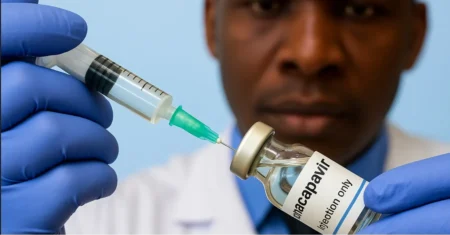
The initiative, funded by the Global Fund, will require suspects to be screened for HIV, tuberculosis (TB) and malaria at the point of booking into police cells, a move officials say is aimed at protecting both detainees and officers while safeguarding the right to healthcare.
The programme is being implemented under a three-year intervention known as the “Breaking the Barriers Initiative”, running from 2024 to 2026, and focuses on reducing transmission of communicable diseases within Uganda’s often congested detention facilities.
Improving health access in detention
The decision follows concerns raised by criminal justice stakeholders over limited medical screening infrastructure in police cells, which has historically left suspects vulnerable to infection and denied timely access to treatment.
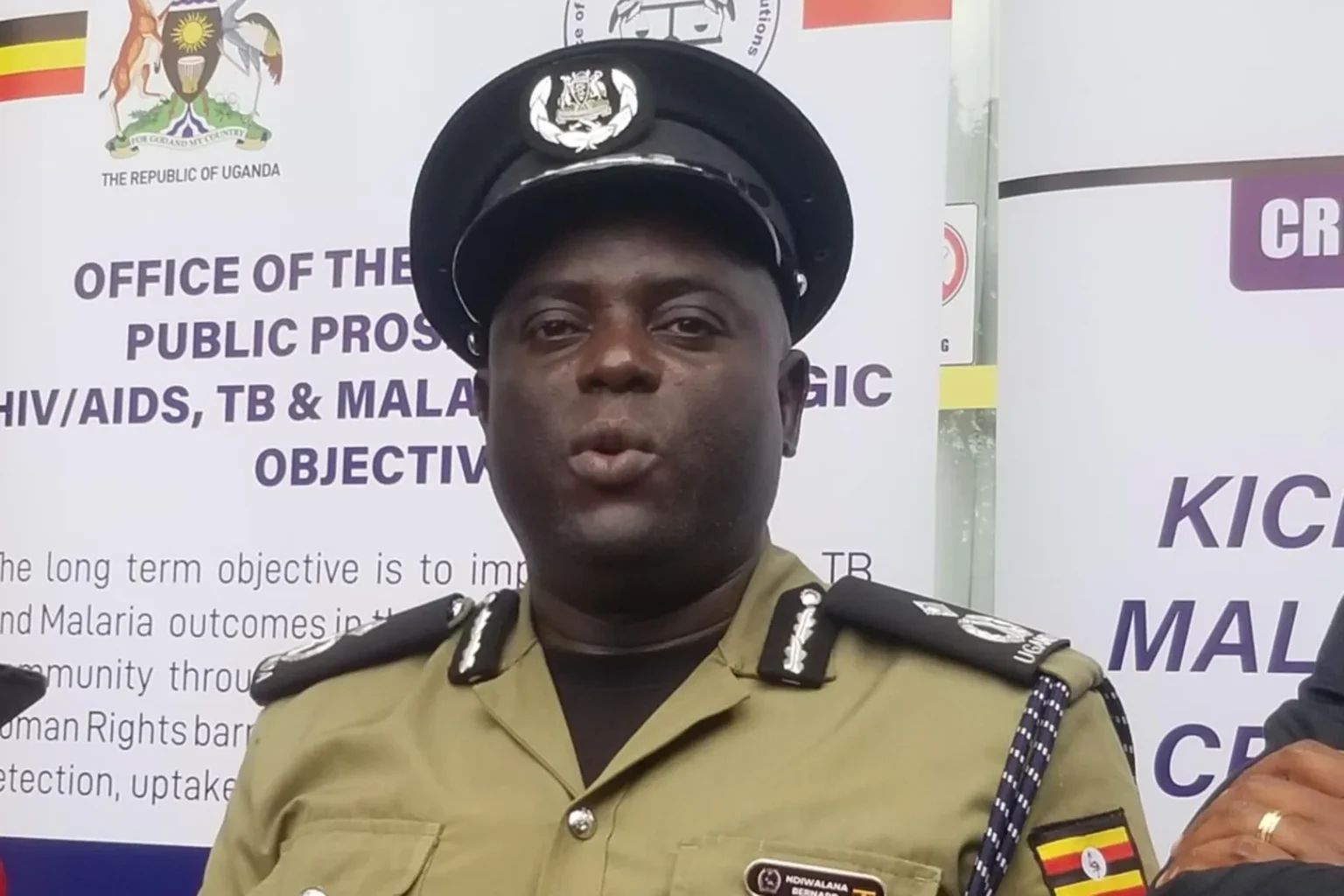
According to Dr Bernard Ndiwalana, head of clinical services at the Uganda Police Force (UPF), early screening provides critical baseline health information before suspects are detained.
The data collected, he said, enables authorities to immediately identify individuals living with HIV and ensure continuity of treatment during detention.
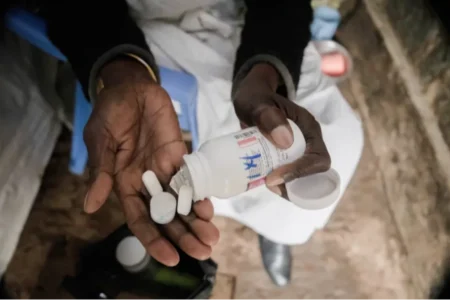
Those diagnosed with malaria are promptly started on treatment to prevent complications such as severe anaemia or death, while suspects who test positive for TB are isolated and linked to care.
Dr Ndiwalana acknowledged, however, that overcrowding and limited space remain a major challenge.
He said many police cells are small and not designed for medical isolation, prompting plans to improvise designated isolation spaces across stations nationwide to reduce the risk of cross-infection.
Special medical registers have also been introduced to capture detainees’ health data, allowing information to be shared across institutions within the criminal justice system to ensure continuity of care.
Rights-based approach
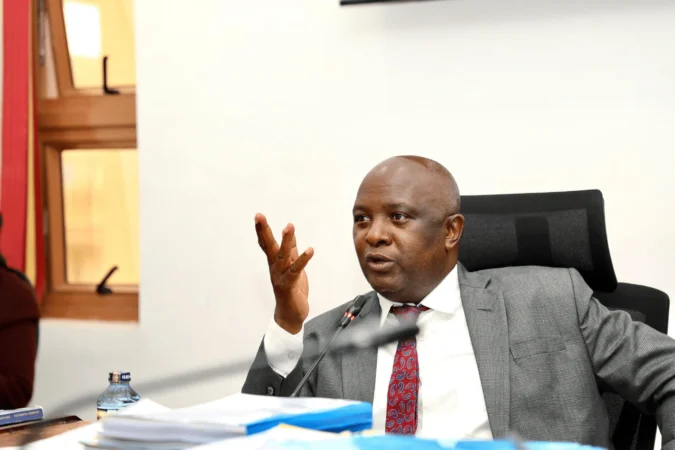
Barbara Masinde, the Chief State Attorney for Makindye and the project’s coordinator, said the initiative was informed by a 2018 baseline survey that found the criminal justice system was infringing on inmates’ constitutional right to health.
She credited Global Fund support with significantly improving access to screening services, increasing treatment uptake among infected detainees, and reducing disease transmission within detention facilities.
Masinde warned that infections such as TB spread rapidly in poorly ventilated, congested cells, making compulsory screening essential.
“These are Standard Operating Procedures-SOPs, which were signed by the Inspector General of Police, allowing compulsory screening of suspects to TB and other illnesses. This breaks the chain of new infections among suspects detained in the same cell and enables isolation before further prosecutions,” Masinde says.
Also Read: Museveni praised in Rakai for pioneering Uganda’s HIV/AIDS fight
She added that the programme has already yielded measurable results, with 91% of inmates now accessing quality healthcare services within the criminal justice system.
Training is also underway for police officers often the first point of contact after arrest — to improve early detection and screening before detention.
Broader public health context
Public health experts have long warned that detention facilities can become amplifiers of infectious disease, particularly in low-resource settings.
Uganda’s move aligns with regional and global recommendations calling for health-integrated criminal justice systems to prevent outbreaks that can spill into surrounding communities.
Officials say the success of the initiative will depend on sustained funding, infrastructure upgrades and continued collaboration between health and security agencies.