

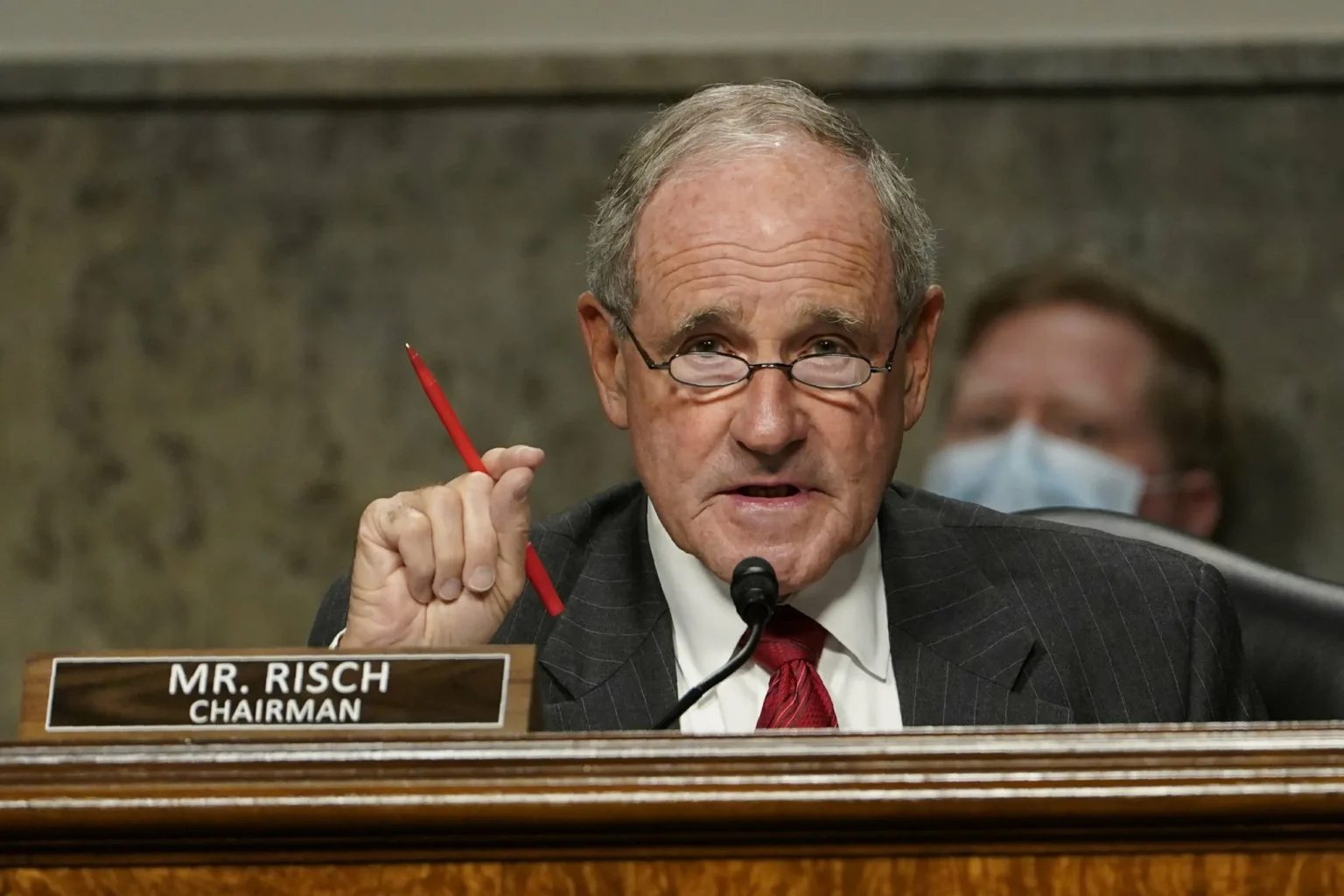
KAMPALA, Uganda — The chairman of the United States Senate Foreign Relations Committee, Jim Risch, has warned that Washington could reassess its long-standing security partnership with Uganda following controversial social media posts by the country’s Chief of Defence Forces, General Muhoozi Kainerugaba.
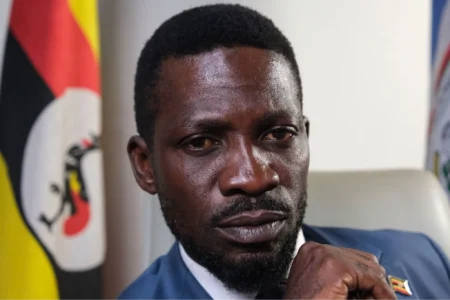
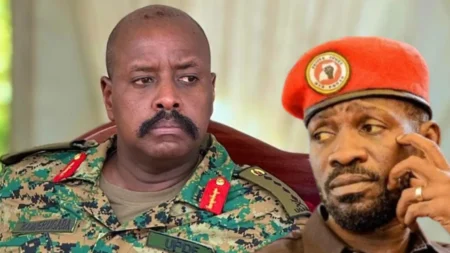
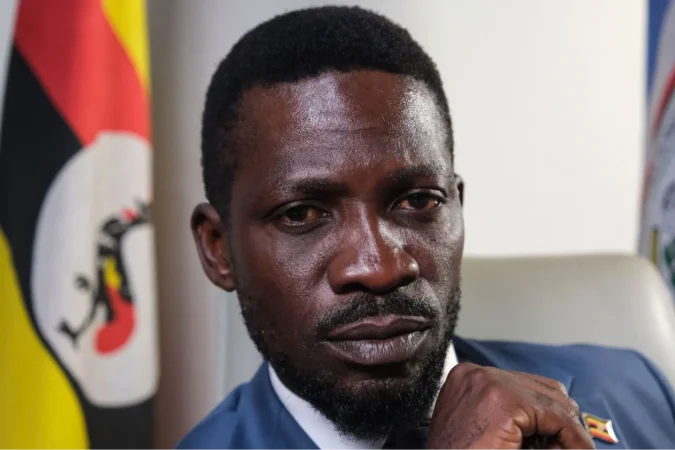
In remarks posted on X on Saturday, Senator Risch said Gen Muhoozi had “crossed a red line” by accusing the U.S. Embassy in Kampala of supporting opposition leader Robert Kyagulanyi Ssentamu, popularly known as Bobi Wine, during a recent security operation.
Risch dismissed the apology later issued by the Ugandan army chief, after he deleted the posts and said he had been “fed wrong information”—as inadequate, arguing that the episode raised broader concerns about stability and reliability in the bilateral relationship.
“Commander Muhoozi Kainerugaba has crossed a red line and now the U.S. must reevaluate its security partnership, which includes sanctions, and military cooperation with Uganda,” Risch wrote.
“The president’s son, and likely successor, cannot just delete tweets and issue hollow apologies. The U.S. will not tolerate this level of instability and recklessness when American personnel, U.S. interests, and innocent lives in the region are at stake.”
Tweets that triggered the warning
Gen Muhoozi’s now-deleted posts accused U.S. diplomats of colluding with Bobi Wine during or after a January 16 raid on the opposition leader’s home, allegations that the U.S. Embassy in Kampala has not publicly substantiated.
The army chief also announced what he described as a suspension of cooperation between the Uganda Peoples’ Defence Forces (UPDF) and the U.S. mission, including joint security operations in the region.
Also Read: Gen Muhoozi apologises to US after tweets trigger diplomatic and security tensions
Within hours, he reversed course, saying he had been misinformed and that he had spoken directly with the U.S. Ambassador to Uganda. He added that military cooperation would “continue as usual,” framing the clarification as an effort to preserve relations with what he called “great friends.”
Strategic and political context
Uganda is a key U.S. security partner in the Horn of Africa and one of the largest troop contributors to the African Union-led mission in Somalia, where Ugandan forces have played a central role for nearly two decades.
Cooperation with Washington includes training, intelligence sharing, logistical support and counter-terrorism operations against the al-Shabaab militant group.
Senator Risch’s comments reflect growing unease in Washington not only about the social media remarks but also about Uganda’s broader political trajectory.
They follow renewed scrutiny by U.S. lawmakers over the credibility of Uganda’s January 15 presidential election, which President Yoweri Museveni won by a wide margin. Opposition groups and some international observers, including voices in the U.S. Congress, have questioned the legitimacy of the vote.
Tensions between Kampala and Washington have intensified amid allegations of election-related violence, arrests and harassment of opposition supporters, particularly members of Bobi Wine’s National Unity Platform.
Human rights organisations have also raised concerns over restrictions on political freedoms and the conduct of security forces during and after the polls.
For now, neither the U.S. State Department nor the Ugandan government has announced any immediate changes to security cooperation, but Senator Risch’s warning underscores the fragility of relations at a sensitive regional moment.