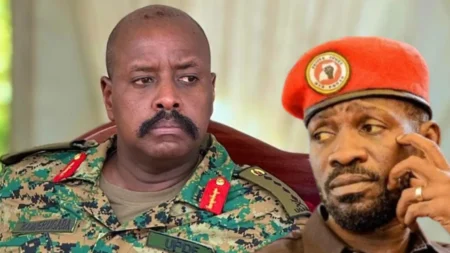
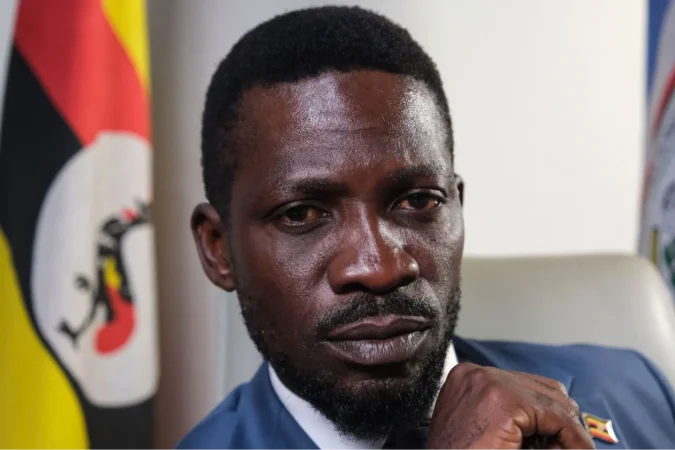


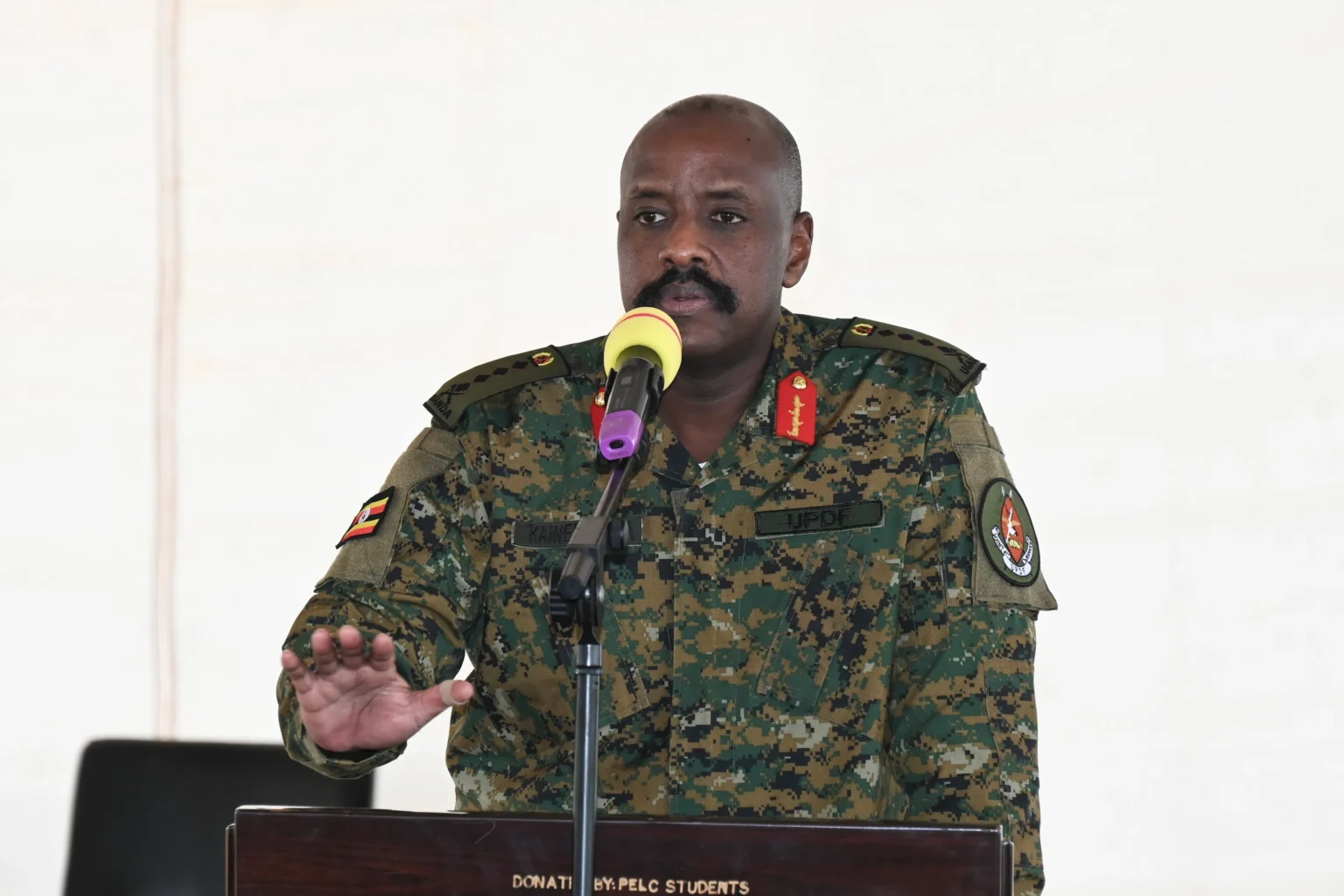
KAMPALA, Uganda — Uganda’s Chief of Defence Forces (CDF), Gen Muhoozi Kainerugaba, has issued a public apology to the United States following a series of social media posts that strained diplomatic and military relations between Kampala and Washington.
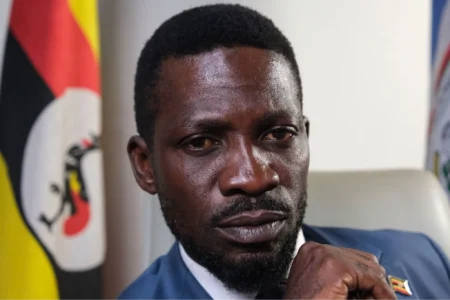
The apology came after Gen Muhoozi deleted posts in which he accused officials at the US Embassy in Kampala of undermining long-standing military cooperation and of allegedly aiding opposition leader Robert Kyagulanyi Ssentamu, popularly known as Bobi Wine.
In a statement issued after consultations with the US Ambassador to Uganda, Gen Muhoozi acknowledged that his claims were based on inaccurate information and said relations had since been stabilised.
“I want to apologise to our great friends the United States for my earlier tweets that I have now deleted. I was being fed with wrong information,” Gen Muhoozi said.
He added that discussions with the American envoy had helped defuse the situation and reaffirmed continued security collaboration between the two countries.
“I have spoken with the US Ambassador to our country and everything is okay. We are going to continue our military cooperation as usual,” he said.
Gen Muhoozi also credited Uganda’s Permanent Representative to the United Nations, Ambassador Adonia Ayebare, for playing a role in calming tensions, praising his diplomatic efforts and expressing hope that President Yoweri Museveni would one day appoint him Minister of Foreign Affairs.
Tweets that triggered the row
The apology followed a diplomatic storm triggered by Gen Muhoozi’s posts on X, formerly Twitter, in which he alleged that the US Embassy had, for more than a decade, weakened cooperation between the Uganda Peoples’ Defence Forces (UPDF) and the United States.
In one post, he claimed that security collaboration had been undermined “since 2015” by what he described as “unimaginative bureaucrats” at the embassy, despite what he characterised as otherwise strong political ties between the two governments.
He also alleged, without presenting evidence, that Kyagulanyi had “kidnapped himself” and gone into hiding with the involvement of the US Embassy during the recent electoral period.
Gen Muhoozi further announced what he described as a suspension of “all cooperation” between the UPDF and the US Embassy in Kampala, including joint efforts linked to Somalia.
Strategic security implications
Uganda is one of the largest troop-contributing countries to the African Union-led mission in Somalia, where it has deployed forces for nearly two decades.
The UPDF works closely with the United States through training programmes, intelligence sharing, logistical support and counter-terrorism operations targeting the al-Shabaab militant group.
Security analysts have warned that any abrupt disruption to this cooperation would carry significant implications for regional stability and counter-terrorism efforts in the Horn of Africa.
However, it remained unclear whether Gen Muhoozi’s remarks reflected official government policy or a personal position expressed on social media.
The United States remains a key security partner not only for Uganda but also for neighbouring countries involved in Somalia’s ongoing security transition.
Broader diplomatic context
The episode comes amid heightened international scrutiny of Uganda’s governance and human rights record, as well as ongoing US diplomatic engagement with regional governments, including Kenya, Ethiopia and the Democratic Republic of Congo, on security and stability issues.
Gen Muhoozi has previously threatened to withdraw Ugandan troops from Somalia and has a history of tense public exchanges with Western diplomats, including past demands for apologies from former US Ambassador William Popp.
Opposition figures have dismissed similar accusations against foreign missions as politically motivated, while human rights organisations say the incident highlights deeper strains in Uganda’s relations with some of its international partners.