


KAMPALA, Uganda — The Uganda Communications Commission (UCC) has announced the full restoration of internet services nationwide, ending days of restrictions imposed during the election period that authorities estimate drained at least Sh57 billion from the economy.
In a public notice issued on Monday 26,January 2026, the regulator said the decision followed the conclusion of technical and security assessments by the Inter-Agency Security Committee.
While general web access, digital banking and email services have resumed, officials confirmed that social media platforms and messaging applications remain restricted and subject to continued government monitoring.
The shutdown, which began on January 13, was imposed 48 hours before the general elections. Authorities said the measure was intended to curb the spread of misinformation and prevent election-related violence.
The move, however, sparked widespread criticism from digital rights advocates and business leaders, who argue that a blanket restriction paralysed Uganda’s increasingly cash-lite economy.
According to data from the Cost of Shutdown Tool, the disruption cost the country nearly Sh15 billion per day. The impact was most acute in fintech and e-commerce, where daily transactions for thousands of low-income traders, online merchants and ride-hailing drivers came to a complete halt.
Major telecommunications providers, including MTN and Airtel, reported combined losses in data revenue exceeding Sh24 billion over the period.
Beyond the immediate financial hit, the blackout triggered cascading operational challenges across critical sectors.
The Uganda Revenue Authority (URA) acknowledged missed tax filing deadlines on January 15, while tourism operators and logistics firms reported severe delays at border points due to the inability to process digital customs and clearance systems.
Analysts say the episode underscores Uganda’s deepening reliance on digital infrastructure, particularly for informal workers and small businesses that depend on mobile money and online platforms to operate.
Regional comparisons show that similar shutdowns across Africa have repeatedly disrupted trade, weakened investor confidence and drawn scrutiny from international partners.
Also Read: Internet shutdowns in Uganda: From authoritarian tool to weapon of silence
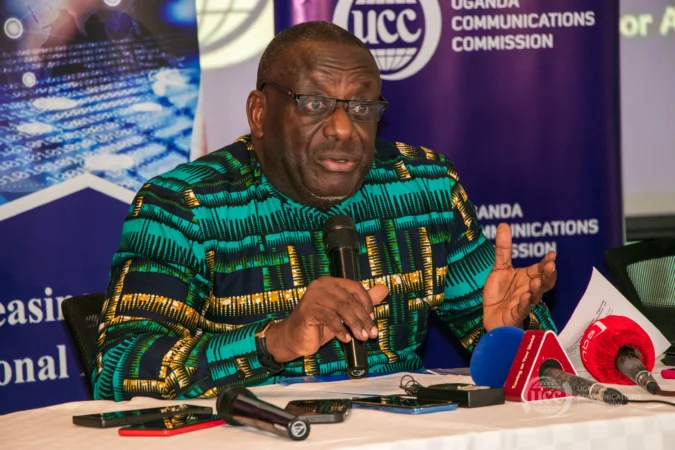
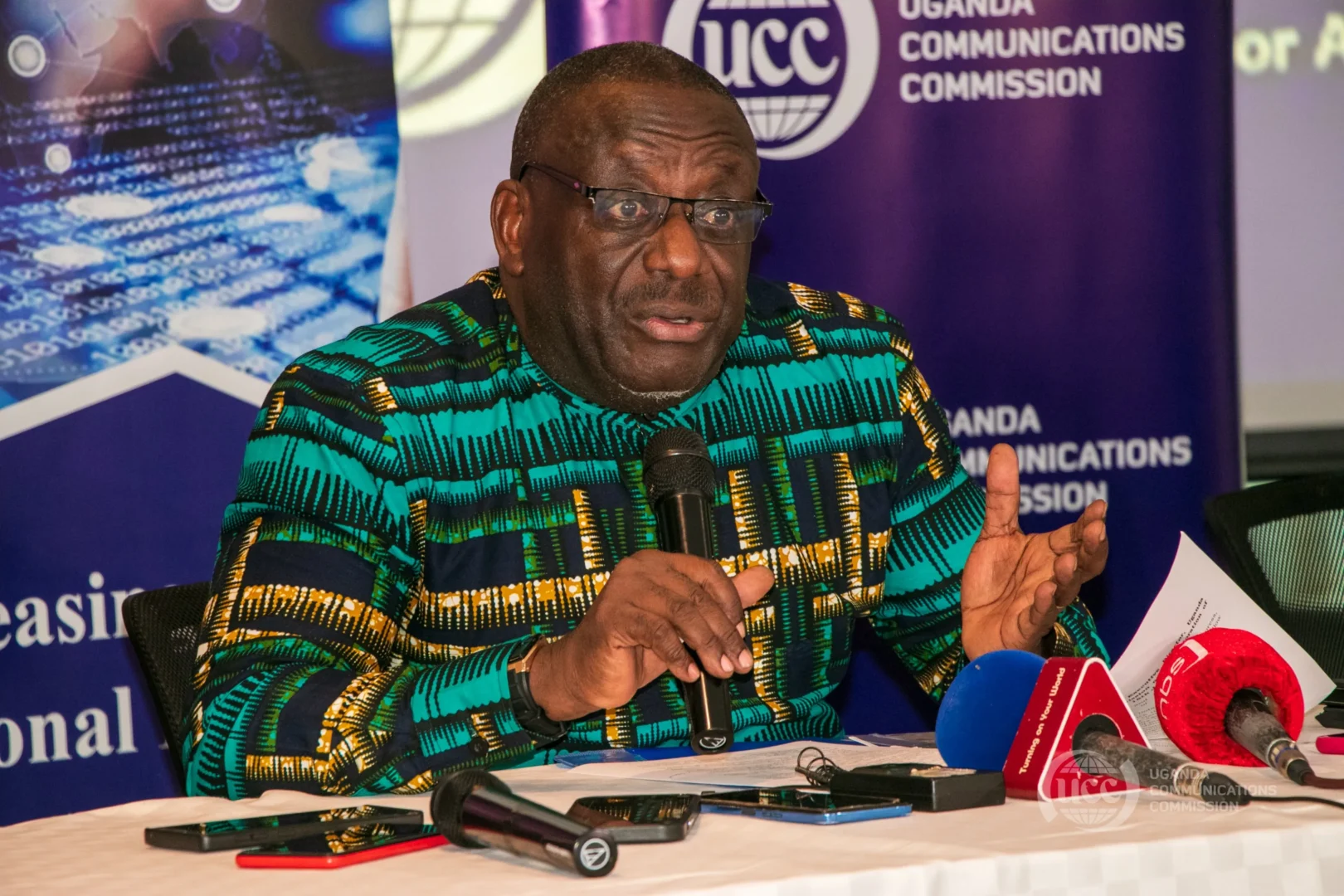
UCC Executive Director Nyombi Thembo defended the decision, describing it as a necessary and proportionate step to safeguard national stability during a sensitive electoral period.
He expressed appreciation for the patience shown by the public and telecommunications companies while access remained limited.
As connectivity returns, legal and human rights scrutiny is intensifying. Organisations including Amnesty International and the African Commission on Human and Peoples’ Rights continue to question whether the measure met constitutional and international standards on proportionality and necessity.
Two lawyers, Michael Aboneka and Raymond Amumpaire, have filed a lawsuit against the commission and major telecom operators, alleging that the shutdown violated constitutional guarantees to freedom of expression and access to information.
The case is expected to test the legal limits of state authority over digital communications in Uganda, with potential implications for future elections.