


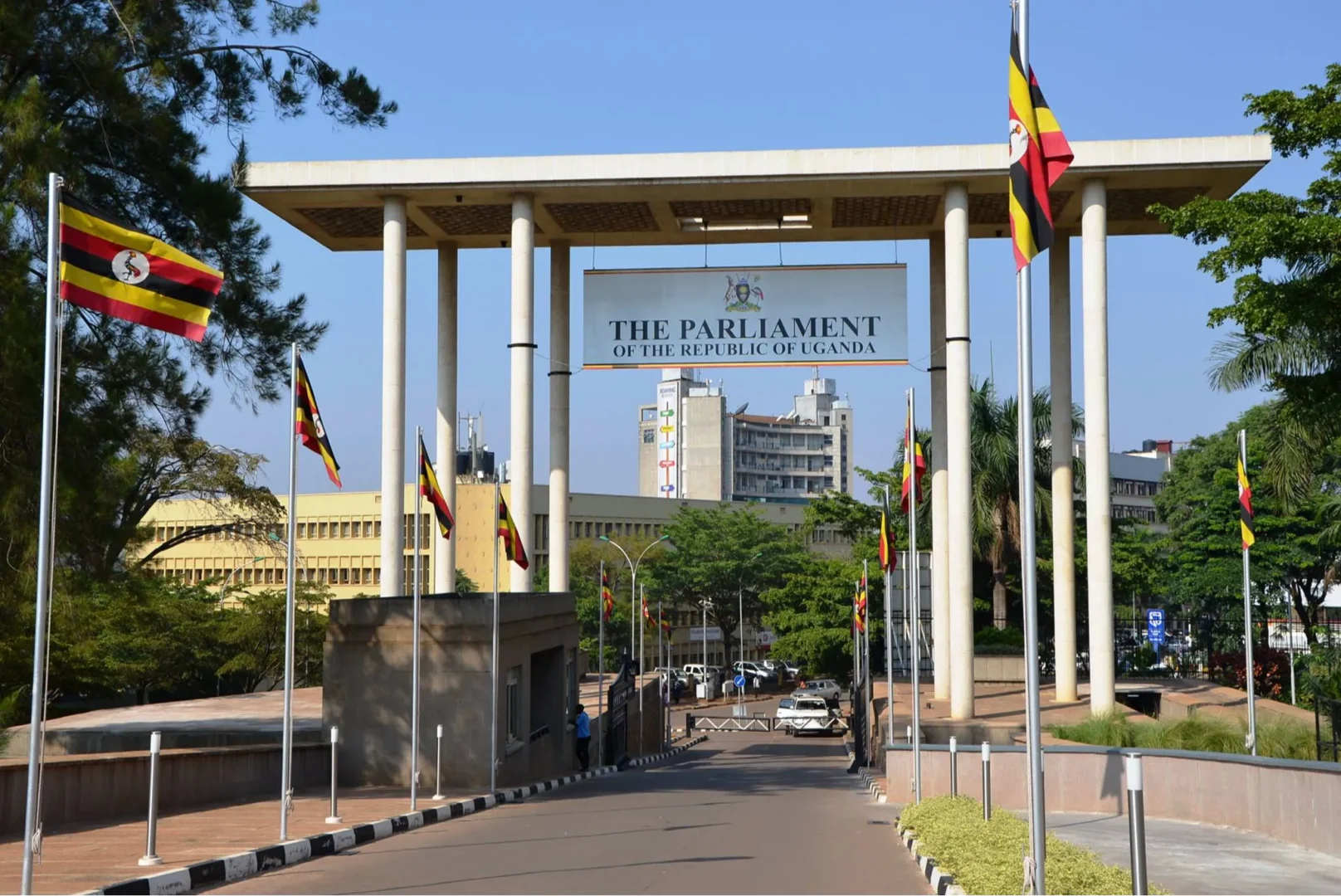
KAMPALA, Uganda — As Uganda moves into the decisive phase of its 2026 general elections, hundreds of Members of Parliament (MPs) are preparing to cast their ballots, a moment that underscores both the scale of the vote and the country’s complex regional political balance.
Official parliamentary figures show that Uganda’s current legislature draws its strength from across the nation’s four main regions, with notable differences in representation.
The Eastern region leads with 101 MPs, followed by the Western region with 91, the Northern region with 83, and the Central region with 78. These constituency-based lawmakers form the backbone of Uganda’s parliamentary system and play a crucial role in shaping national political outcomes.
Uganda’s Parliament comprises 529 members in total, including directly elected constituency representatives, district woman MPs, and special interest representatives for youth, persons with disabilities, workers, elders, and the army.
This structure is designed to ensure broad representation, though regional strength continues to carry significant political weight.
Analysts note that regions with larger parliamentary numbers, particularly Eastern Uganda, can exercise outsized influence in legislative bargaining and electoral strategy.
However, smaller blocs often prove decisive when political alliances are closely contested and voter turnout becomes the determining factor.
With polling underway nationwide, the Electoral Commission (EC) has reiterated its commitment to ensuring a free, fair and transparent process for both elected leaders and ordinary citizens.
Also Read: Museveni’s Senior Presidential Advisor signals ‘dynastic’ succession as Ugandans vote
MPs, like all voters, are expected to comply with electoral regulations, including maintaining political neutrality within parliamentary precincts while exercising their civic responsibilities.
The evolving regional arithmetic of Parliament is now being closely watched by political strategists, civil society and international observers, as it is expected to shape legislative dynamics long after the ballots are counted.
As Uganda’s electorate goes to the polls, the distribution of parliamentary power once again highlights the importance of regional voices in determining the country’s political future.
