



NAIROBI, Kenya — A multidisciplinary medical team at Kenyatta National Hospital (KNH) has successfully saved the life of a two-year-old boy after removing a dangerous foreign object from his lung, without the need for surgery, in a delicate bronchoscopy procedure carried out earlier this month.
The patient, Jayden, had been battling persistent respiratory distress for days after choking on food during the Christmas holiday. By the time he was referred to KNH, part of his right lung had already collapsed, placing him at risk of severe infection and permanent damage.
According to the team leader, Consultant Paediatric Pulmonologist Dr. Diana Marangu, the child’s condition had become critical.
“A section of the child’s right lung was paralysed after food became lodged in his respiratory system.”
Jayden’s ordeal began on Christmas Day when he started choking while eating groundnuts and drinking milk at home. His mother, Caroline, initially believed it was a minor episode, but his symptoms soon worsened.
By New Year’s Day, the toddler had developed a relentless cough that refused to subside. Over the following days, Caroline sought help at several clinics, where she was repeatedly told her son had only minor infections. Medication brought no relief.
Caroline says she felt instinctively that something was seriously wrong.
Trusting her judgement, she rushed Jayden to Kenyatta National Hospital (KNH), where imaging tests revealed a partial collapse of the right lung. Doctors concluded that a foreign object, likely food inhaled during the choking episode, was blocking the airway.
Foreign body aspiration is a common yet often misdiagnosed emergency in young children. Paediatric specialists warn that symptoms such as persistent coughing, wheezing and recurrent chest infections can closely mimic routine childhood illnesses, delaying life-saving treatment.
In Jayden’s case, the obstruction had remained undetected long enough to significantly impair lung function. The hospital quickly assembled a multidisciplinary response team, bringing together experts in paediatric respiratory medicine, anaesthesia, intensive care and specialised nursing.

On January 5, the team performed a rigid bronchoscopy, a high-risk procedure that allows doctors to reach deep into the lungs without open surgery. Using the rigid bronchoscope, clinicians carefully navigated the airway and extracted multiple fragments of peanut embedded in the child’s right lung.
The procedure was completed without surgical incision, dramatically reducing recovery time and complications. Jayden was transferred to the Intensive Care Unit (ICU), where doctors closely monitored his breathing as the collapsed lung gradually re-expanded.
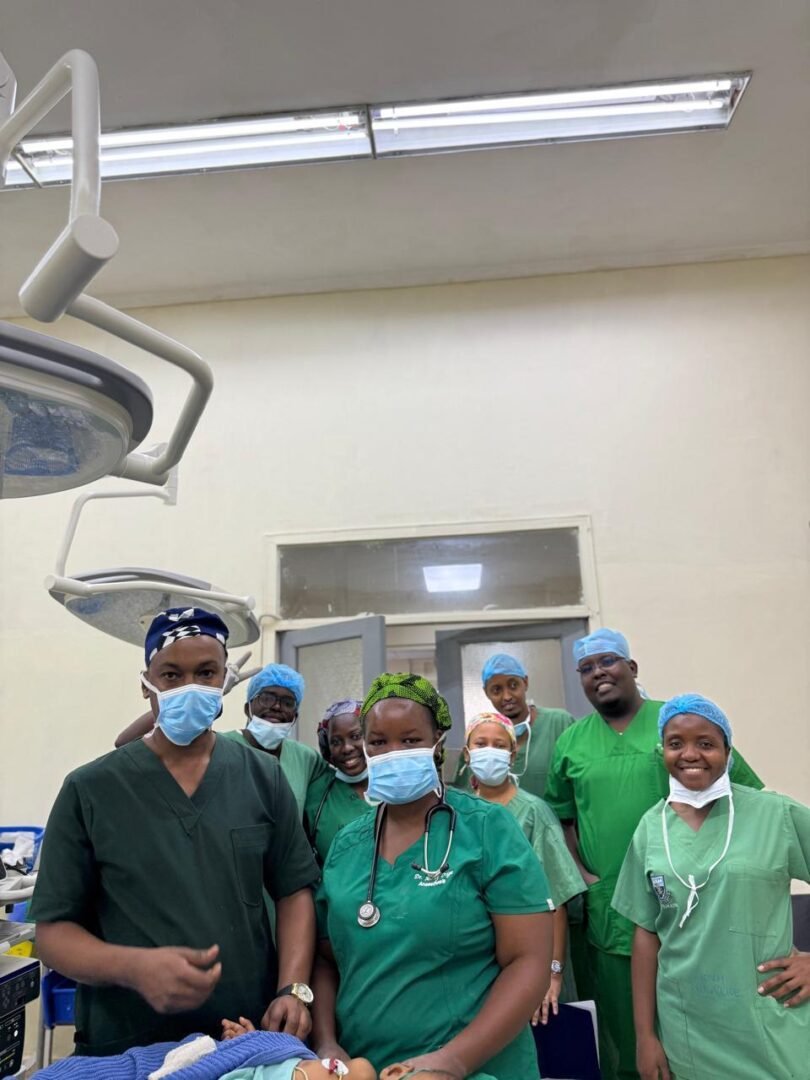
Within days, his condition improved markedly. The chronic cough disappeared, his breathing stabilised, and his normal playful behaviour returned.
Today, Jayden has made a full recovery.
For Caroline, the experience was harrowing, and instructive.
Also Read: Kenyan scientists unveils new HIV treatment regimens tailored for Africa’s aging population
She says it reinforced the importance of trusting parental instincts and seeking specialised care when symptoms persist.
Doctors at KNH have since issued a renewed warning to parents and caregivers: small hard foods such as groundnuts, popcorn and seeds pose a serious choking risk to children under three years and should be strictly avoided.
Medical experts also urge families to seek immediate hospital evaluation whenever a child develops persistent coughing or breathing difficulties after a choking episode.
