


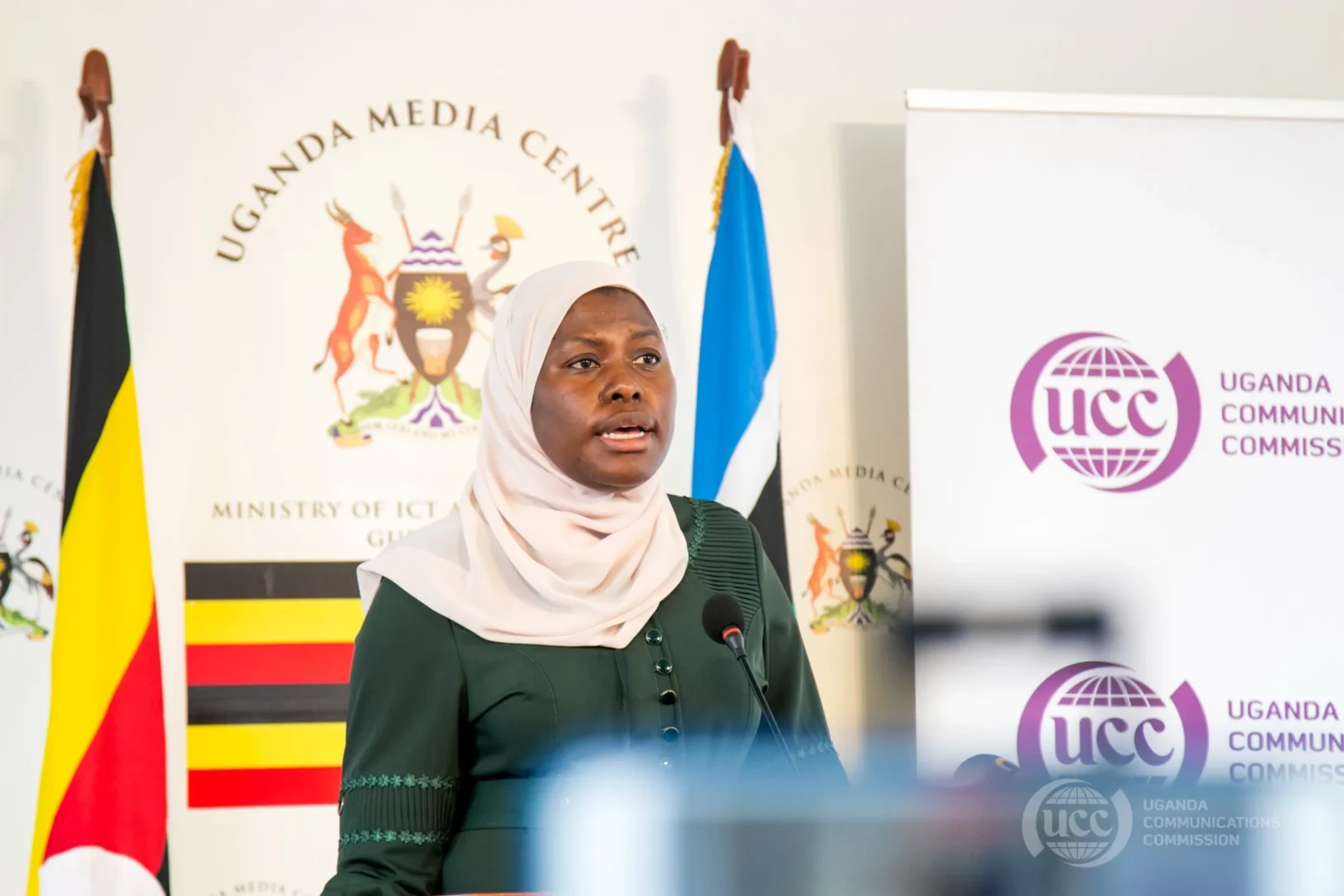
KAMPALA, Uganda — Uganda’s Ministry of Information and Communications Technology (ICT) and National Guidance has issued a stern call for heightened responsibility among media practitioners and the general public as the nation prepares for the general elections on January 15, 2026.
In a formal briefing on Monday, January 5, the Ministry addressed the growing wave of digital anxiety, specifically targeting the spread of misinformation and rumors regarding potential communication blackouts.
Permanent Secretary Dr. Aminah Zawedde highlighted that while democratic participation is at an all-time high, it has been shadowed by a concerning rise in unverified content.
She emphasized that irresponsible reporting during this sensitive period poses a direct threat to national stability.
“As the country approaches the election period, public engagement has intensified, as expected in any democracy. However, alongside this increased participation, there has been a rise in misinformation,” Zawedde stated.
She further warned that media houses must strictly adhere to ethical standards, noting that platforms should never be used to incite violence or erode the credibility of the democratic process.
The government has introduced specific restrictions on the type of content that can be broadcast in real-time. According to the Ministry, the live streaming of civil unrest or “unlawful processions” is strictly prohibited to prevent the escalation of public panic.
Dr. Zawedde also reminded all stakeholders that the legal authority to announce any electoral outcome resides exclusively with the national body.
She noted that the “declaration of election results remains the sole mandate of the Electoral Commission,” and any parallel or premature announcements will be considered a breach of the law.
Addressing one of the most persistent fears of the electorate, Dr. Zawedde categorically denied reports that the state planned to disconnect the internet during the voting period. She described such claims as “false and misleading,” asserting that no such directive has been issued.
Also Read: Uganda denies plans to block internet ahead of high-stakes 2026 election
She cautioned that all digital activity remains subject to the Computer Misuse Act, warning that those who use online platforms to spread inflammatory content will face legal repercussions.
The upcoming January 15 polls will see veteran incumbent President Yoweri Museveni seeking to extend his tenure.
He faces a diverse field of opposition candidates in a race that has already significantly increased the national political temperature.
With over 21 million registered voters, the government maintains that a peaceful electoral environment depends largely on the “collective responsibility” of the media and digital publishers to prioritize verified facts over sensationalism.
