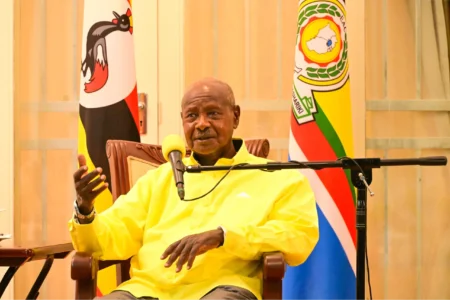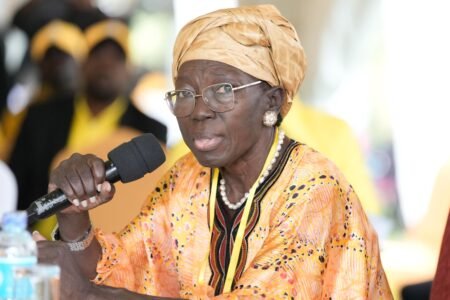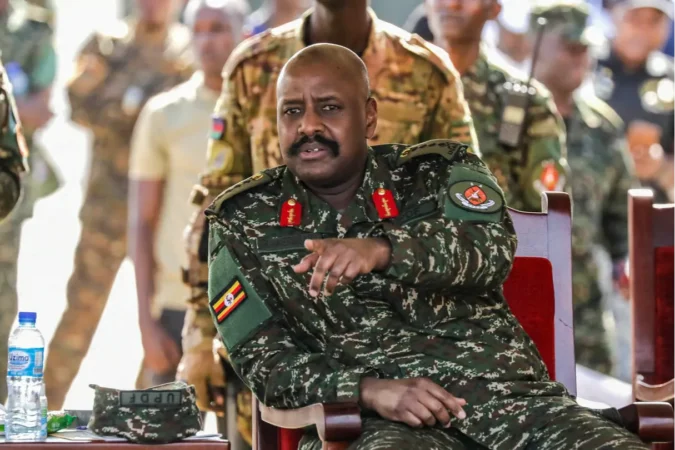



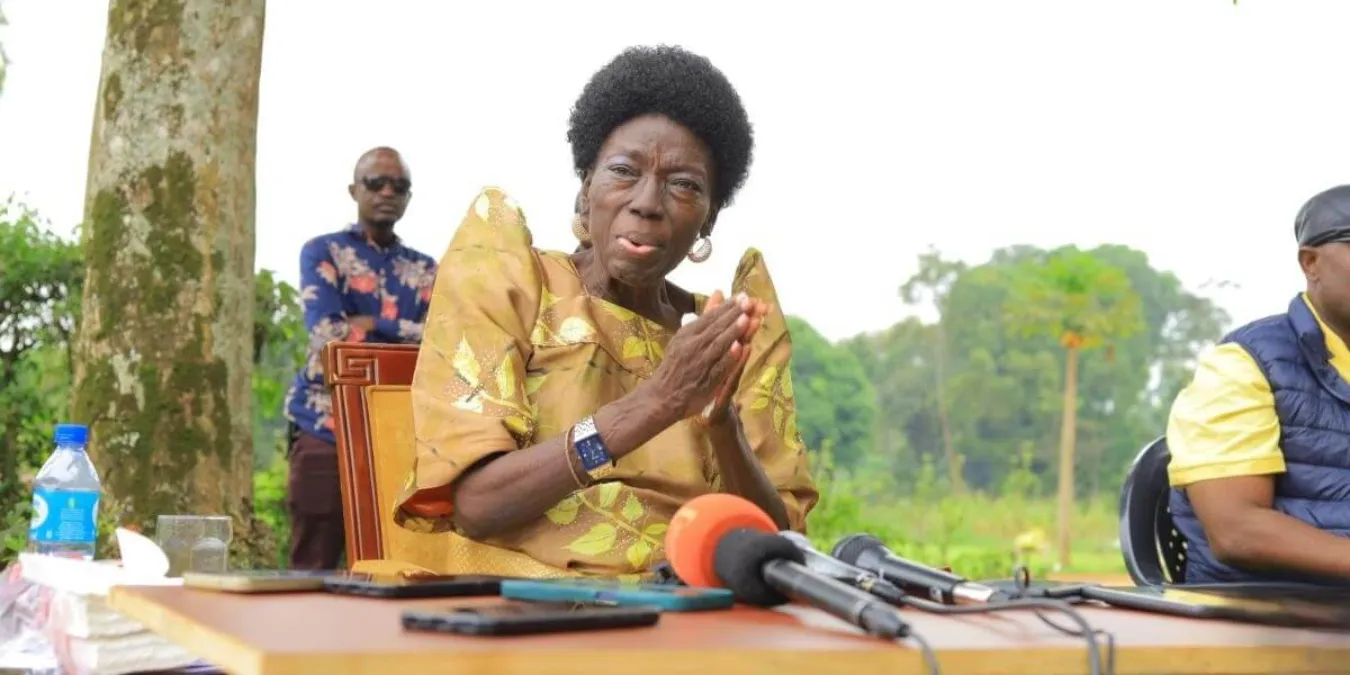
JINJA, Uganda — With less than two weeks until Uganda’s January 15, 2026 general elections, First Deputy Prime Minister and Minister for East African Community Affairs Rebecca Kadaga has intensified campaigning in the Busoga sub-region, meeting factory workers and sugarcane farmers to drum up support for President Yoweri Museveni and the ruling National Resistance Movement (NRM).
Kadaga, supported by regional NRM leaders and a diaspora campaign team from South Africa, toured multiple industrial plants in Jinja City on Saturday, highlighting the party’s development record and economic agenda as central to securing votes in Busoga.
At the Keshwala Group of Companies, which runs roughly 12 factories in Jinja and Njeru and employs over 2,000 workers, Kadaga spoke directly to factory employees about economic growth, job creation and the government’s development strategy.
Addressing worker concerns about job scarcity among young people, she pledged proactive industrial transformation in the region:
“Busoga has many youths who do not have sustainable jobs. As a solution, we are going to put industrial parks in all districts of Busoga. We have a challenge of land; however, there are provisions for land in Kamuli, Iganga, and Luuka for these establishments,” Kadaga said.
She also acknowledged labour issues including wage concerns:
“The matter will be tabled, as it is a genuine concern.”
Kadaga’s tour included a visit to the Makepasi Matchbox Factory, where she praised employment opportunities provided to persons with disabilities, illustrating the campaign’s inclusive outreach to vulnerable groups.
Farmers’ grievances and promises
Earlier in the day, Kadaga met with sugarcane farmers under the Busoga Sugarcane Growers Association at a forum held in Kakira.
Farmers raised long-standing concerns about volatile cane prices and perceived market manipulation, asserting that producers are “double cheated” despite rising retail sugar costs.
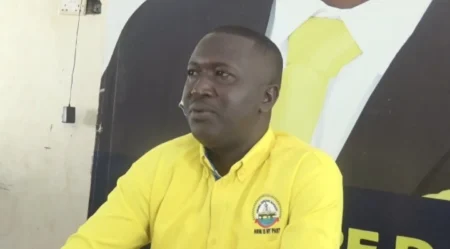
Businessman and farmer Mr Keshwala, a local leader at the event, went further, offering a promise aimed at maximizing turnout on election day.
He said January 15 will be treated as a public holiday in factories across the region so that workers can participate in the polls.
Diaspora support and grassroots mobilisation
A caravan of 15 vehicles carrying the South Africa diaspora campaign task force, led by Iddi Kibukgo Mugoya, accompanied Kadaga to show solidarity with Busoga communities and reinforce ties between expatriates and their home region:
“The visit was aimed at reinforcing ties with the home region ahead of the elections,” Mugoya said.
According to local election observers, this delegation forms part of broader outreach that the NRM hopes will translate into increased voter mobilisation and loyalty among Busoga’s diverse constituencies in labour, agriculture and commerce.
Election context and opposition landscape
Uganda’s 2026 elections are shaping up to be fiercely contested. Alongside President Museveni, who seeks another term that could extend his rule close to five decades, seven other candidates are on the ballot, including opposition leader Robert Kyagulanyi of the National Unity Platform (NUP), Maj Gen Gregory Mugisha Muntu of Alliance for National Transformation, and several others representing diverse political formations.
Also Read: “I am alive and well”: Rebecca Kadaga rebuts ‘sponsored’ social media illness rumors
Kadaga’s campaign push in Busoga, linking industrial development, job creation and grassroots engagement to Museveni’s re-election bid, underscores the NRM’s strategy of blending economic promises with direct voter contact in a region that has historically been politically significant but electorally competitive.
Strategic mobilisation ahead of polls
Beyond Saturday’s engagements, NRM campaign organisers have launched a Busoga regional mobilisation task force designed to conduct door-to-door outreach across the sub-region and translate pledges into electoral support.
The initiative follows earlier efforts launched in Mayuge District, aimed at consolidating grassroots networks and driving voter turnout.
Political analysts note that Busoga, with its sizeable population of factory workers, farmers and youth, remains a pivotal battleground within Uganda’s broader electoral map.
Kadaga’s intensified presence, strategic promises on industrial infrastructure and direct engagement with worker and farmer concerns reflect an NRM attempt to solidify its base while countering rising opposition energy in other parts of the country.