


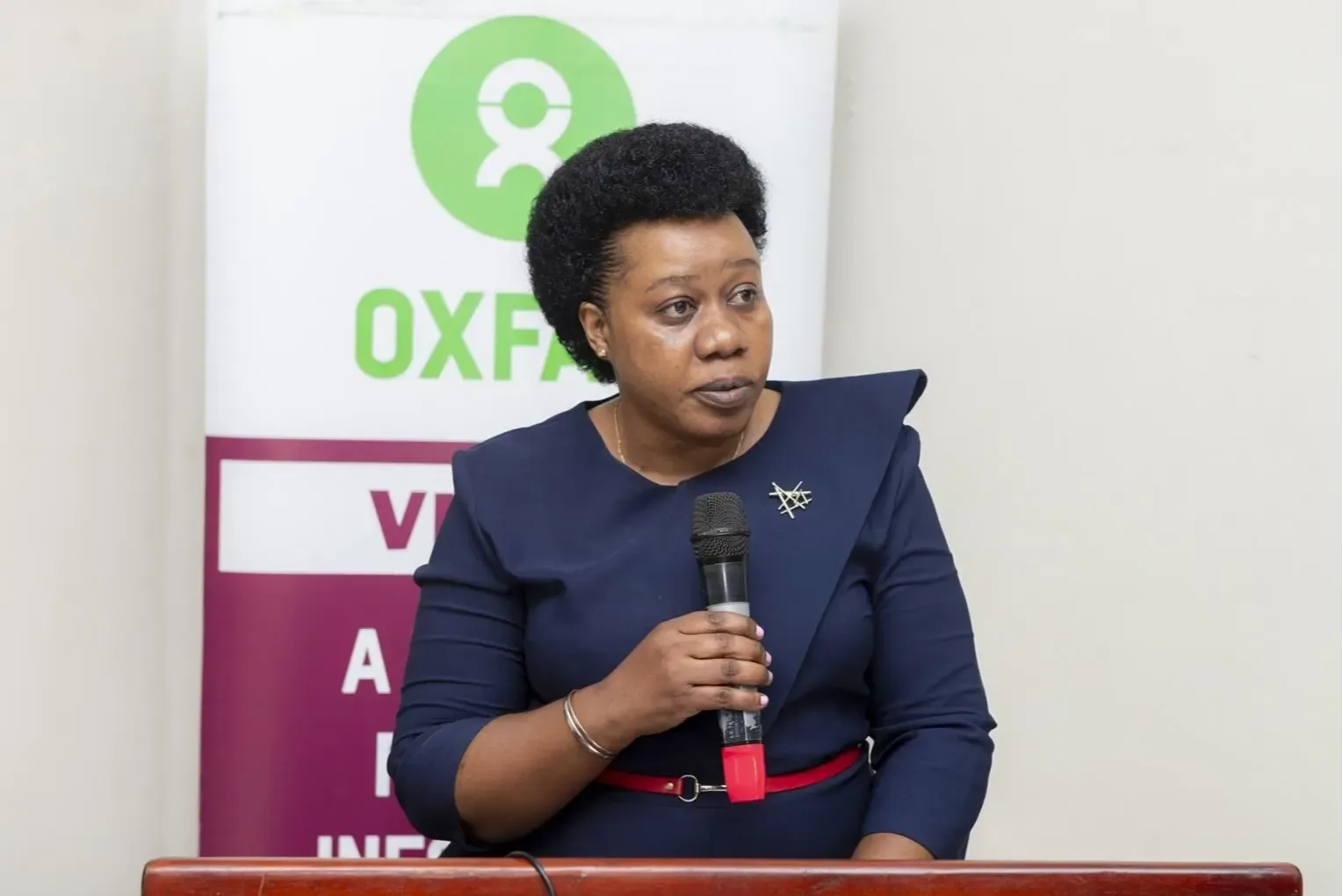
KAMPALA, Uganda — Ugandan authorities have detained prominent human rights lawyer and civil society leader Dr. Sarah Bireete, in what critics describe as a widening crackdown on dissent and opposition ahead of the January 15, 2026 general election.
Police confirmed on social media that Bireete is in custody and will be arraigned in court at a later date, though no official charges have yet been disclosed.
Security forces moved to detain Bireete on the afternoon of December 30, 2025, when police and military personnel surrounded her home in Kampala. The activist alerted the public via her verified X (formerly Twitter) account, stating that her house was “under siege by Police and Army.”
Close associates later confirmed that she was taken into custody and is being held at Central Police Station in Kampala.
Kampala Metropolitan Police spokesperson Rachael Kawala affirmed the arrest in an official post but did not specify the reasons behind the operation. Authorities have not publicly detailed any charges, and attempts to reach Bireete’s legal team were unsuccessful by press time.
Dr. Sarah Bireete is a well-known lawyer and rights defender. She serves as the Executive Director of the Centre for Constitutional Governance (CCG), a Kampala-based organisation focused on constitutionality, civic education, electoral integrity, and accountability advocacy.
She also holds leadership roles in key regional civil society networks, including as Chairperson of the East and Horn of Africa Election Observers Network (EHORN) and the Global Network of Domestic Election Monitors (GNDEM).
Over recent months, Bireete has been outspoken in her criticism of what she describes as the militarisation of civic space ahead of the elections, including the deployment of security forces at political rallies and electoral events.
She has also voiced opposition to restrictive policies on internet access, publicly criticising measures that limit the importation of Starlink internet infrastructure.
Bireete’s arrest occurs amid an increasingly tense political environment in Uganda. Incumbent President Yoweri Museveni, 81, who has led the country since 1986, is seeking another term in the January poll.
His main challenger is pop-star-turned-politician Robert Kyagulanyi Ssentamu, widely known as Bobi Wine, whose National Unity Platform (NUP) has accused security agencies of detaining hundreds of supporters and party officials during the campaign.
Bobi Wine condemned Bireete’s arrest as part of a wider pattern of repression against civil society leaders and government critics. He said such actions are intended to intimidate dissenters and undermine fundamental freedoms, calling for her immediate release and respect for constitutional liberties.
Also Read: Starlink and Uganda’s 2026 election battle: Who controls the internet controls the vote
Human rights watchdogs and regional observers have previously raised concerns about the shrinking civic space in Uganda, citing delayed accreditation for election observers and arrests of activists as indicators of a deteriorating environment for civil liberties.
Observers note that arrests of high-profile activists like Bireete may signal an aggressive posture by state security forces toward political criticism in the run-up to next month’s polls.
The lack of clarity around potential charges and the broader political climate has drawn criticism from rights groups and opposition figures alike, who warn that such actions could undermine the credibility of the electoral process.
