


NAIROBI, Kenya — A Nairobi-based lawyer has filed a High Court petition seeking to halt the playing of loud music in Public Service Vehicles (PSVs), arguing that the practice violates multiple constitutional rights and poses significant health risks.
In his petition, Lawyer Samwel Barongo Nyamari faulted the Matatu Owners Association, the National Transport and Safety Authority (NTSA), the National Environment Management Authority (NEMA), and the Attorney General for failing to protect commuters from what he termed “cruel, deafening and disturbing noise disguised as music” in matatus.
“Over the said six years, therefore, the Petitioner, as consumer of transport services, has undergone gruesome torture from loud, unsolicited, repetitive, lowly noise disguised as music, wherever he boards matatus,” the petition read.
Nyamari argued that loud music in public transport amounts to psychological torture and noise pollution, particularly affecting vulnerable populations such as children, the elderly, the sick, and persons living with autism.
The petition cites violations of Article 42 of the Constitution on the right to a clean and healthy environment, Article 29 on freedom and security of the person, and Article 46 on consumer rights.
The culture of loud music and graffiti in Nairobi’s matatus
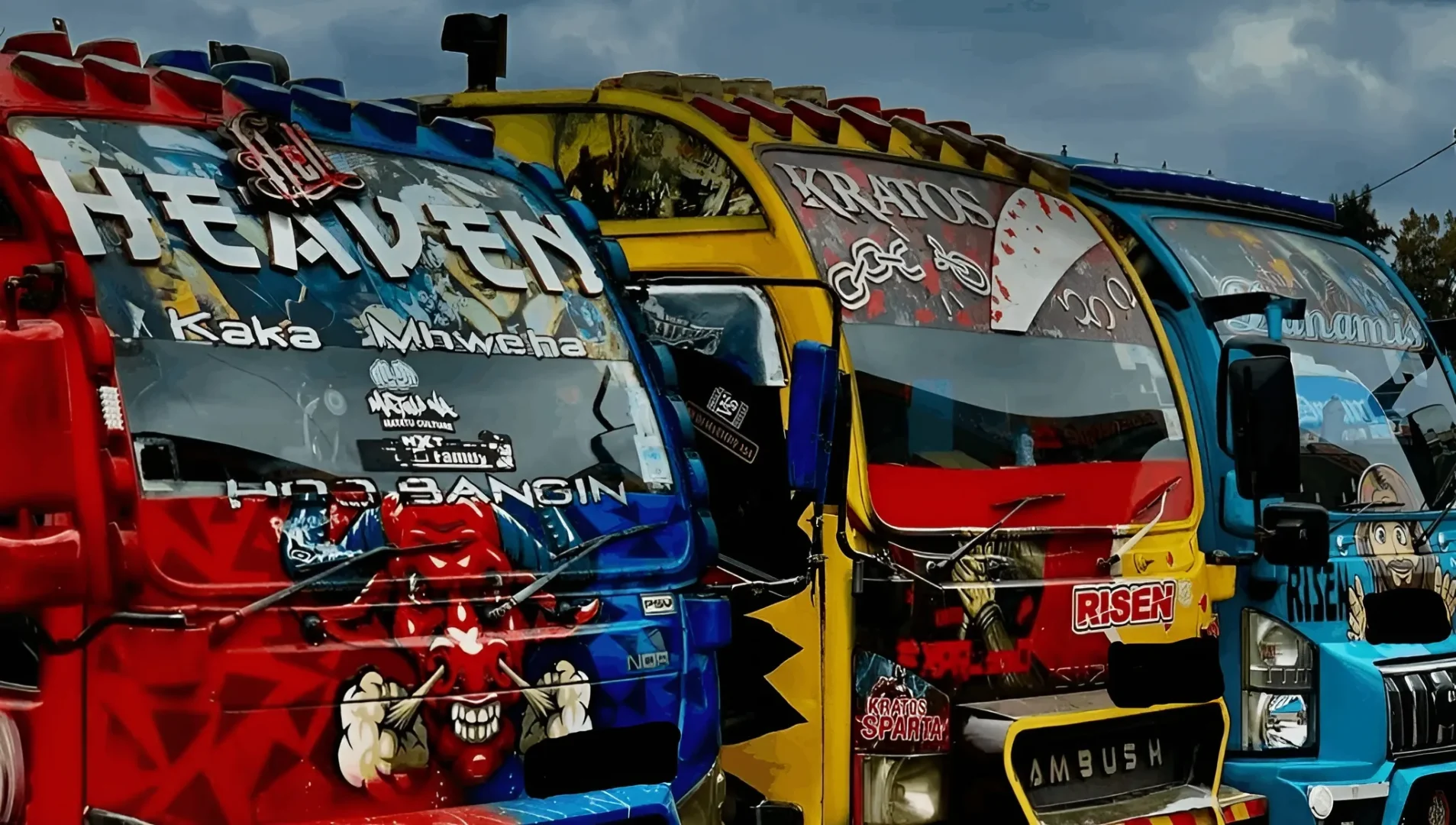
Loud music and graffiti have long been an inseparable part of Nairobi’s matatu culture, embraced for decades as a form of self-expression and entertainment.
Matatus—often decorated with vibrant murals featuring pop culture icons, political figures, and artistic motifs—serve not only as transport but also as mobile stages for music, dance, and social interaction.
For Gen Z, the loud music culture represents more than just commuting; it is a lifestyle. Young Nairobians often flock to matatus for the experience, with high-energy music blasting throughout the journey, providing a sense of identity and community among riders.
The practice has been amplified by social media, where videos of colorful, bass-thumping matatus often go viral, promoting the phenomenon across the city and country.
Industry insiders note that the matatu business has historically attracted both cultural enthusiasts and investors. Notably, President William Ruto’s son, George Kimutai Ruto, has established a prominent presence in Nairobi’s “nganya” (flashy matatu) industry through several high-value investments.
George Ruto’s matatu business ventures;
- ‘Mood‘ matatu: Launched in July 2025 at the KICC, this is his most famous vehicle, valued at approximately Ksh 14 million. It is noted for several “first-of-its-kind” features in Kenya, including; A live DJ mixing deck in the cockpit, a solar-powered backup system for its Ksh 2 million sound and entertainment setup, and luxury interior with custom bucket seats, charging ports, air conditioning, and a 65-inch TV.
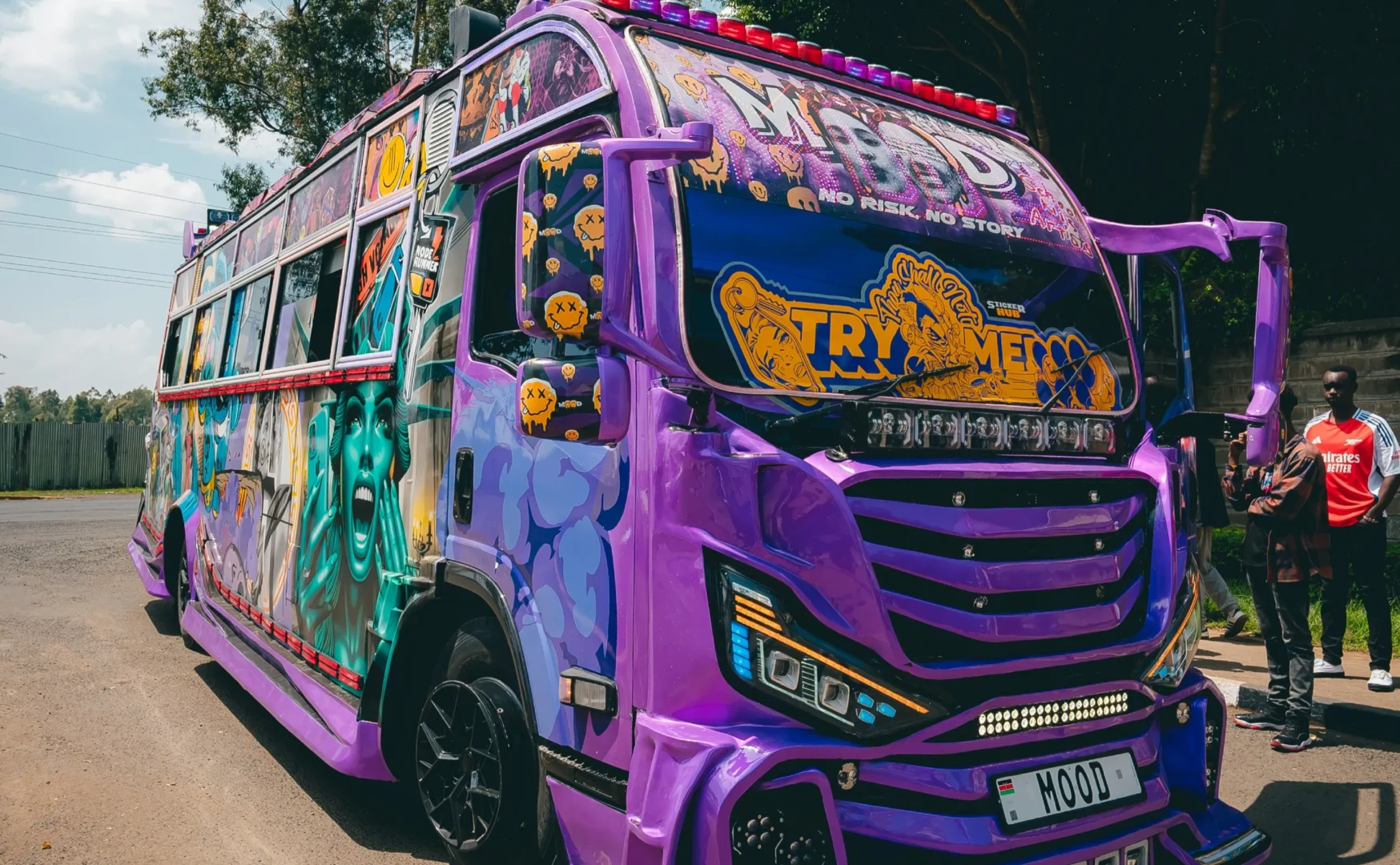
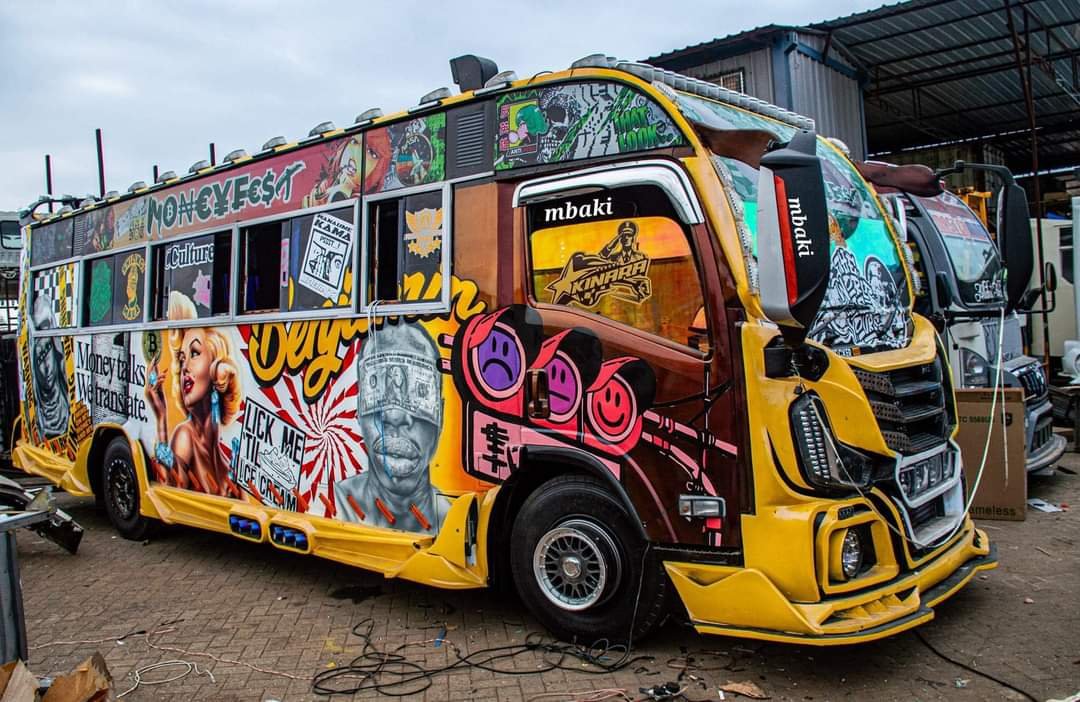
- ‘Manifest’ (or Moneyfest): Another popular matatu in his fleet, previously associated with the Rongai route and later the Embakasi route.
- ‘Matrix’: A third vehicle identified as part of his growing transport empire.
His involvement reflects the economic significance of the sector, which employs thousands of drivers, conductors, and mechanics, and continues to be a central part of Nairobi’s informal economy.
Health and legal concerns
Nyamari’s petition emphasizes the adverse health outcomes of prolonged exposure to high-decibel music, including hearing damage, mental stress, and sleep disturbances.
He argues that commuters are denied the opportunity to make informed choices, as operators fail to disclose the presence of loud music before boarding.
According to the petition, a majority of Nairobi’s matatus are fitted with powerful sound systems, playing loud, drum-heavy music throughout the day.
Repeated exposure, the petition notes, constitutes an intangible form of violence that degrades the quality of transport services.
The lawyer also accuses NTSA and NEMA of regulatory failure, claiming the authorities have neglected their constitutional duty to safeguard citizens’ rights and welfare.
The petition seeks a court declaration that the playing of loud music in public service vehicles is unconstitutional and requests that NTSA, NEMA, and the Attorney General be compelled to enforce the court’s directives if the petition succeeds.
The economic and cultural stakes
While the petition addresses legitimate health and legal concerns, it also intersects with a deeply rooted cultural and economic industry.
Loud music and graffiti contribute to the matatu industry’s brand identity, attracting passengers and supporting livelihoods across Nairobi. Many young entrepreneurs in the sector rely on music-themed promotions to maintain competitiveness.
Experts note that any regulatory move must balance public health with economic realities, suggesting possible compromises such as regulated decibel levels, designated quiet hours, and informed passenger consent.
Also Read: High Court halts Matatu graffiti ban, preserves Kenya’s vibrant PSV art culture
The petition represents a growing tension between public health priorities and long-standing cultural practices in Nairobi’s public transport sector.
As the High Court considers the case, the outcome could reshape the city’s matatu culture, affecting passengers, operators, and investors alike.
Whether loud music will continue to reverberate through Nairobi’s streets or face legal restrictions, the case underscores the complex intersection of culture, commerce, and constitutional rights in Kenya’s urban transport landscape.
