


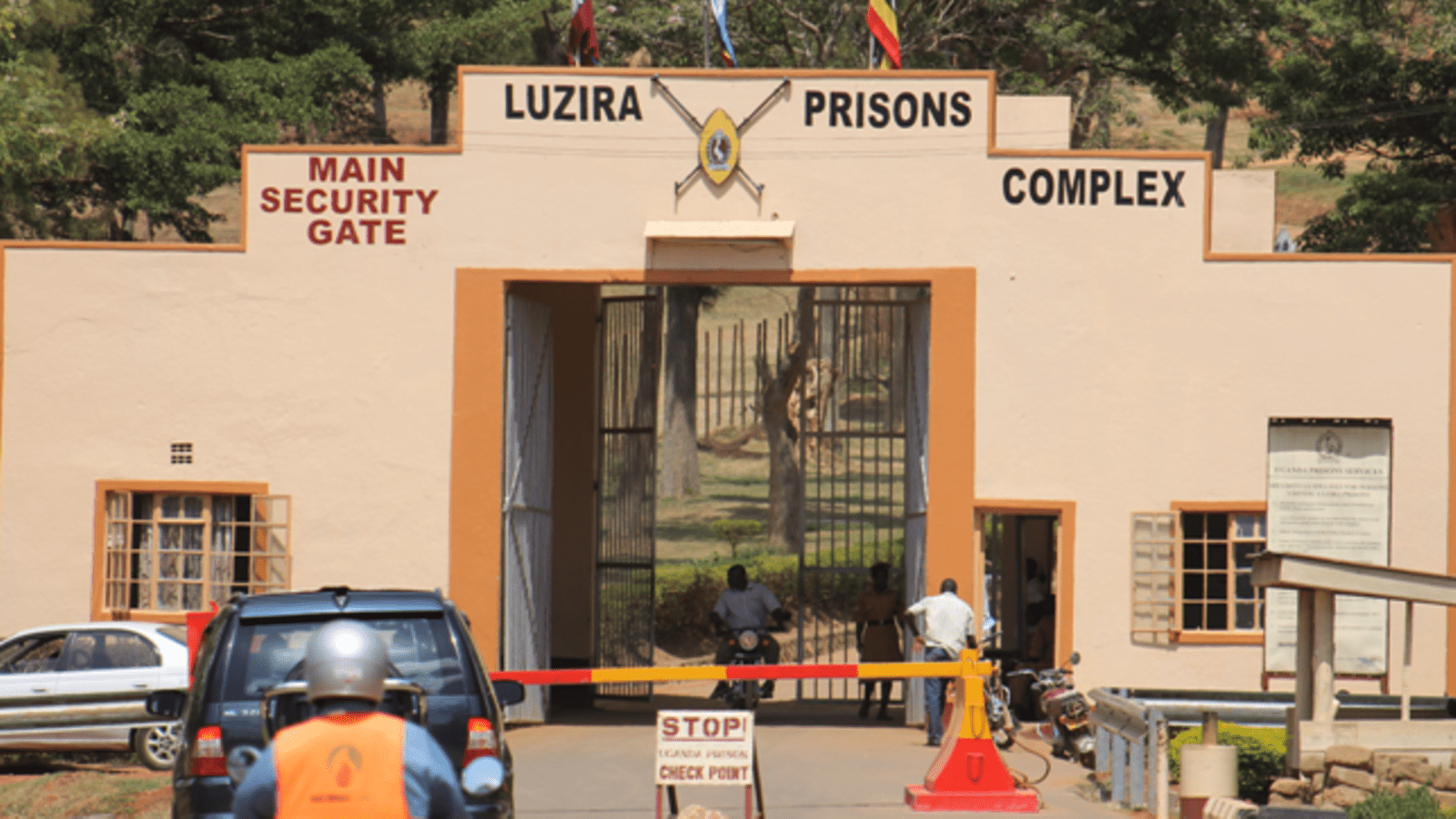
KAMPALA, Uganda — A harrowing new report on Uganda’s correctional facilities has revealed that the country now ranks among the top five nations globally for prison overcrowding. The data paints a grim picture of a humanitarian crisis where inmates are subjected to extreme congestion, with as many as four individuals occupying the physical space intended for a single prisoner.
The latest statistics from the Uganda Human Rights Commission (UHRC) and the Uganda Prisons Service (UPS) show that the national inmate population has surged far beyond the system’s structural limits.
While the country’s prisons were designed to house approximately 21,257 inmates, they are currently straining under the weight of over 77,000 detainees.
Speaking during a recent policy dialogue in Kampala, Hope Bagota, a Senior Human Rights Officer at the UHRC, highlighted the statistical impossibility of the current situation.
“Uganda’s prison capacity is designed for 21,257 inmates, but as of December 31, 2024, the facilities held 77,315 individuals, including 38,733 convicts and 40,968 people on remand,” Bagota stated.
She warned that the surplus of over 55,000 people has stripped away any semblance of dignity for those behind bars. “Overcrowding has led to inhumane conditions, with inmates forced to sleep in shifts. This is an unacceptable situation.”
The “Stand Up and Turn” rule
The physical reality of this congestion is most visceral in regional facilities like Jinja and Arua. Mariam Wangadya, the Chairperson of the UHRC, recounted a recent visit to a male prison that exemplified the crisis.
“I learned that the capacity of the male prison is 300 prisoners but as at the time I left on Friday, they had over 2,600 prisoners. I went to the wards where they stay, I asked them how they turn when one side is tired, they told me you have to first get up and then turn,” Wangadya explained.
Also Read: Uganda Prisons officer dismissed over TikTok videos criticizing public officials
Drivers of congestion
Human rights defenders attribute the crisis to several systemic failures, including:
- Prolonged remand periods: Over 50% of the prison population consists of pre-trial detainees, many of whom wait years for their day in court.
- Judicial backlog: Shortages of judges and judicial officers have led to a “clogged” justice system.
- Petty offenses: A high number of individuals are incarcerated for minor crimes like “idle and disorderly” or civil debts, which advocates argue should be handled through non-custodial sentences.
Calls for reform
The Uganda Prisons Service has proposed the construction of 16 new mini-maximum prisons to alleviate the pressure, but experts argue that building more cells is not a sustainable solution.
Instead, they are calling for the “fast-tracking” of court cases and the wider adoption of community service.
The UHRC has urged the government to prioritize the release of innocent individuals and those held on minor charges to prevent the total collapse of the prison health and sanitation infrastructure.
