


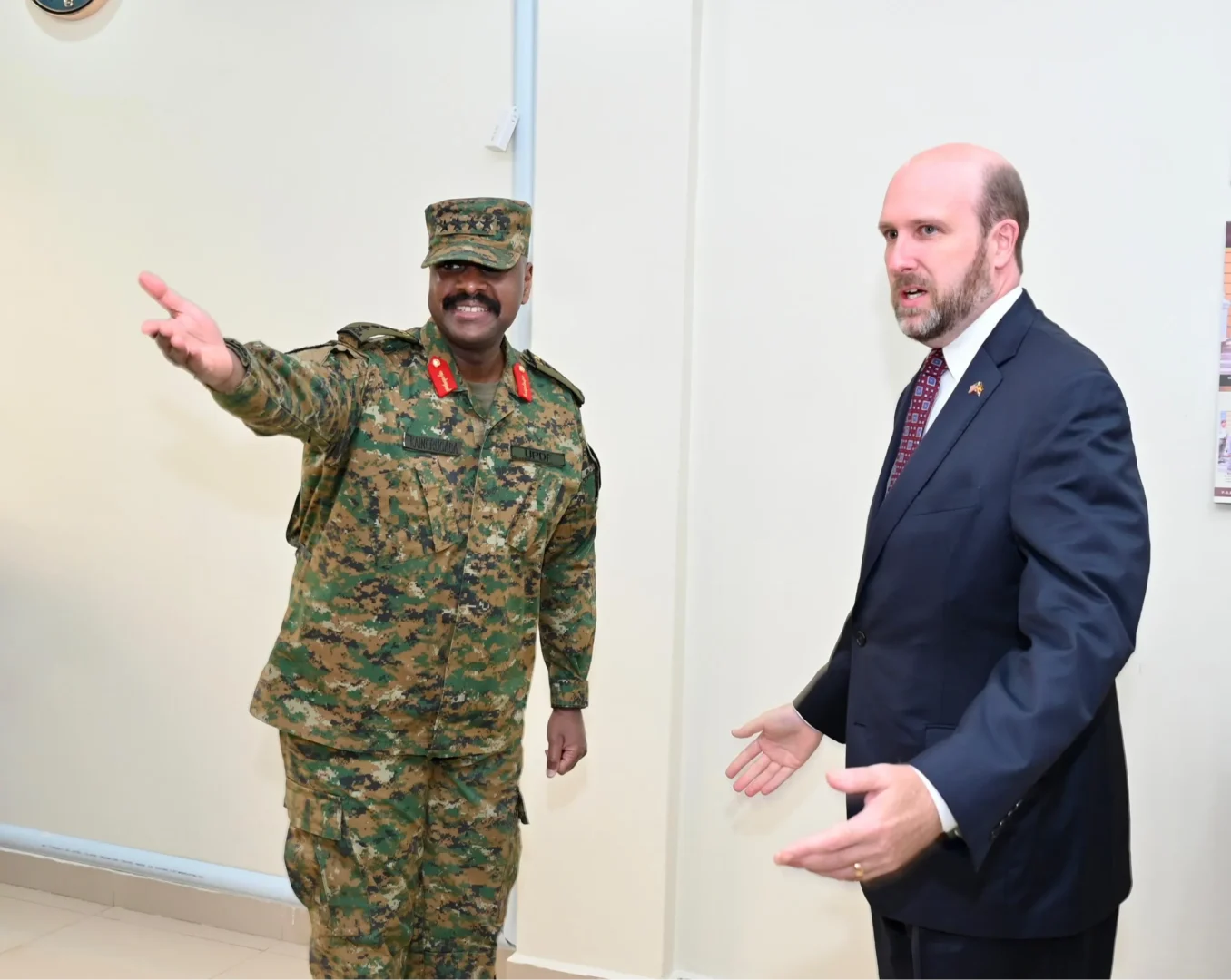
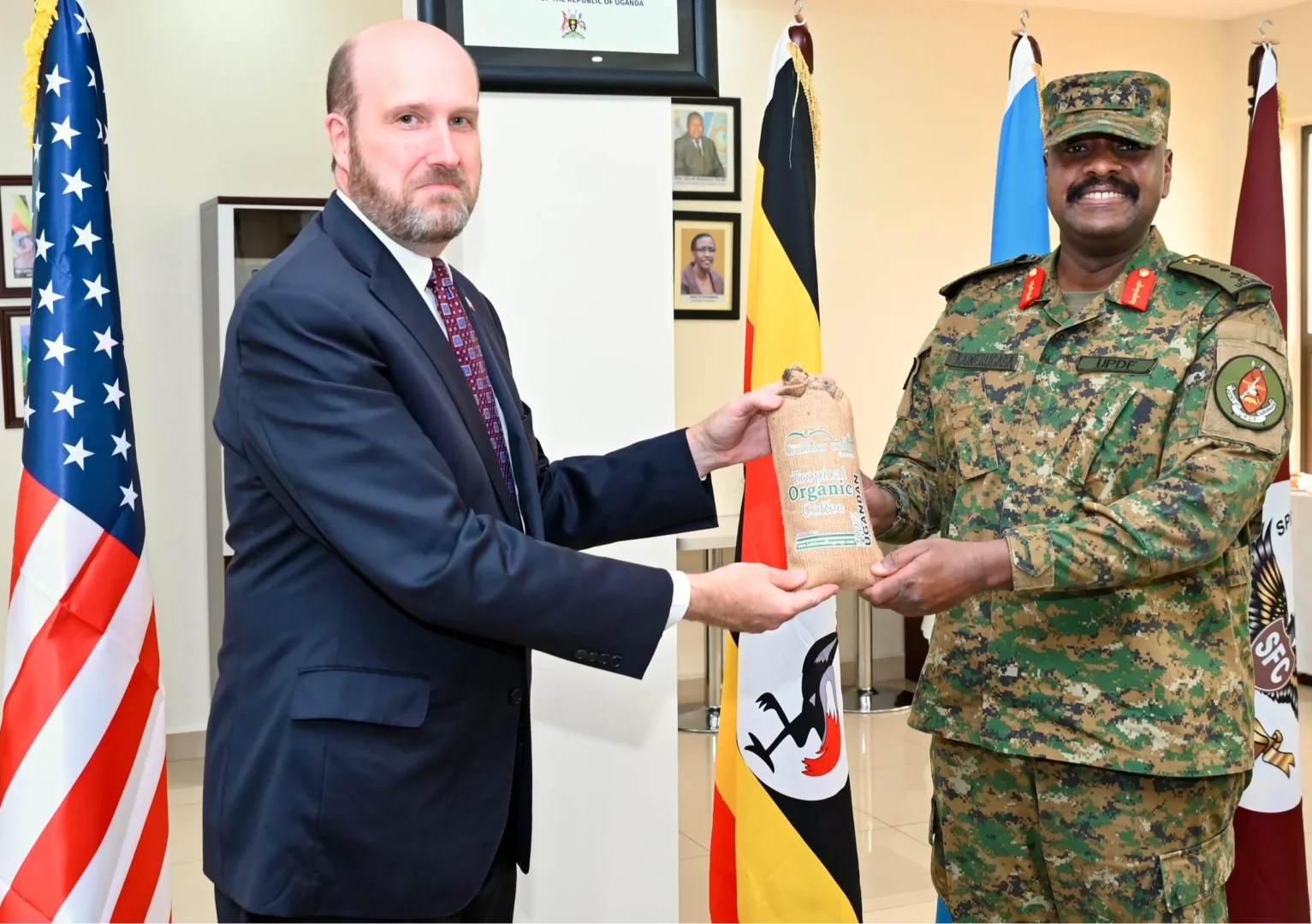
KAMPALA, Uganda — The Trump administration has initiated a sweeping realignment of the U.S. diplomatic corps, quietly recalling nearly 30 ambassadors, including the U.S. Ambassador to Uganda, William W. Popp.
According to diplomatic sources, the move is a centerpiece of a broader strategy to populate key international posts with envoys specifically vetted for their loyalty to the current administration’s ideological priorities.
The ‘America First’ mandate
While ambassadors are being summoned back to Washington, sources indicate that these career officials, who traditionally maintain strictly apolitical stances, will be reassigned to other roles rather than terminated.
A senior State Department official defended the reshuffle as a necessary executive prerogative.
“An ambassador is a personal representative of the President, and it is the President’s right to ensure that he has individuals in these countries who advance the America First agenda,” the official stated.
The reshuffle has disproportionately impacted the African continent, with a dozen heads of mission ordered to return. The list of affected countries includes:
- East & Central Africa: Uganda, Somalia, Rwanda, Burundi, Gabon, Congo, and Cameroon.
- West & North Africa: Nigeria, Niger, Senegal, and Côte d’Ivoire.
- Indian Ocean: Mauritius.
Additional recalls have been reported across Europe and the Middle East.
One former senior official characterized the selection process as “random,” noting that “no one knows why they were pulled or spared.”
Merit vs. Political alignment
The Guardian reports that the promotion process within the State Department has been adjusted to favor diplomats who demonstrate explicit support for the administration.
This shift has drawn sharp criticism from the American Foreign Service Association (AFSA), which warned against penalizing career staff for their service under previous presidents.
“Foreign Service staff who dutifully executed the policies and procedures of a previous administration should not be penalized by retroactively imposed changes to the promotion precepts,” AFSA stated.
Secretary of State Marco Rubio has confirmed that promotion criteria and panels were revised to elevate diplomats aligned with White House priorities, particularly regarding immigration controls.
However, critics argue this “politicization” of the diplomatic service could erode U.S. standing abroad.
Also Read: US cuts Ugandan visa validity from two years to three months over security and fraud concerns
Senator Jeanne Shaheen issued a stern warning regarding the potential power vacuum created by the removal of seasoned career professionals:
“President Trump is giving away US leadership to China and Russia by removing qualified career ambassadors who serve faithfully no matter who’s in power. This makes America less safe, less strong and less prosperous.”
As AFSA and other officials fear an erosion of the professional impartiality that defines the U.S.
Foreign Service, the administration remains firm in its stance that diplomatic leadership must be an extension of the President’s personal vision for “America First” foreign policy.
