


NAROK, Kenya — The legal dispute between environmental activist Meitamei ole Dapash, the Narok County Government, and environmental regulators has taken an unanticipated turn following the petitioner’s application to withdraw the suit.
The case, which centered on the development of the high-end Ritz-Carlton Maasai Mara Safari Camp, saw Mr. Dapash move from seeking the facility’s closure to requesting a full discontinuation of the matter.
In a formal notice filed before the Environment and Land Court, Mr. Dapash indicated his intention to step back from the litigation:
“Take notice that the petitioner seeks to withdraw the entire suit instituted by way of a petition dated August 8, with no orders as to costs,” reads part of the court document.
The core allegations
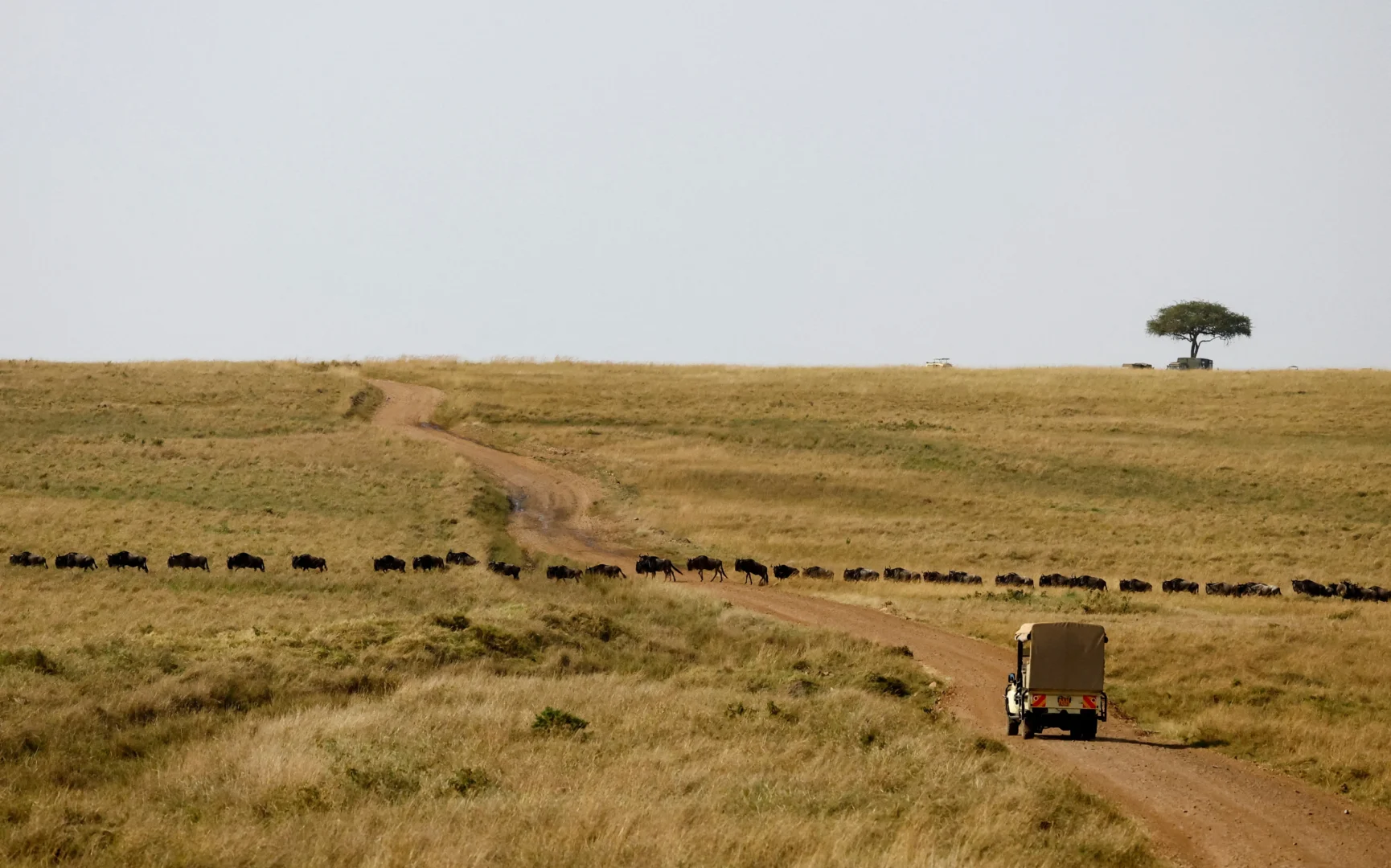
The original petition, filed in August, was rooted in significant ecological concerns. Mr. Dapash contended that the safari camp, managed by Marriott International Inc., was constructed within critical wildlife migratory corridors, thereby violating constitutional mandates regarding ecosystem protection.
Furthermore, the activist challenged the legitimacy of the approval process and the timelines governing the camp’s construction.
He urged the court to prevent the facility’s opening, arguing that the project posed an existential threat to the ecological integrity of the Maasai Mara Game Reserve and the land rights of Indigenous communities.
The defense response
The Narok County Government and the camp’s operators have maintained a firm defense against these claims.
County Secretary Mayan Olejuya, in a sworn affidavit, dismissed the allegations as biased and without merit.
- Legal compliance: The County asserts that the facility operates under a valid lease and follows all relevant Kenyan statutes.
- Economic impact: The defense highlighted the camp’s role in bolstering the local economy through employment, cultural tourism, and corporate social responsibility initiatives.
Regulatory approvals and reputational concerns
Lazizi Mara, the operator of the camp, further clarified the regulatory standing of the project. Director Shivan Patel stated via affidavit that the facility secured all necessary permits from the National Environment Management Authority (NEMA), the Water Resources Authority, and the County Government.
Notably, Mr. Patel pointed out that the project received a presidential exemption during a period when hotel construction in national parks was otherwise frozen.
Also Read: Kenya launches ambitious tourism campaign to attract 5 million visitors annually
He countered Mr. Dapash’s environmental claims by asserting that the camp is situated approximately 15 kilometers away from established wildlife migratory corridors.
The defense further accused the petitioner of engaging in a “malicious” campaign of negative publicity intended to damage the facility’s reputation and deter international tourism.
With the filing of the withdrawal notice, the court must now determine whether to grant the request and how to address the issue of legal costs.
