


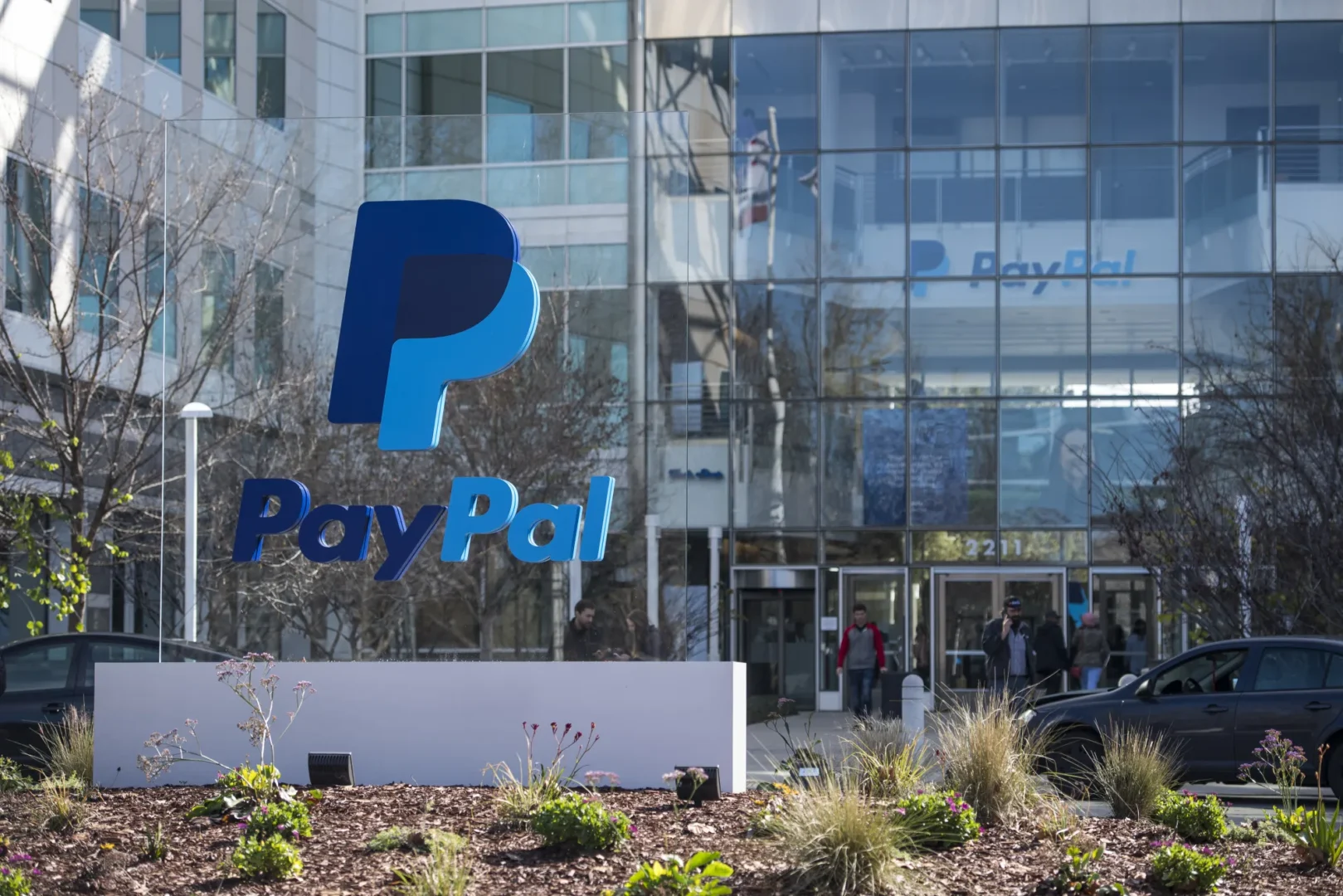
NEW YORK, United States — The strategic line between established technology firms and traditional financial institutions continues to blur, with PayPal Holdings Inc. announcing its application to become a fully regulated U.S. bank.
This move by the payments giant is the latest, and perhaps most significant, signal of how non-traditional financial companies are capitalizing on the more permissive regulatory environment championed by the Trump administration.
On Monday, PayPal confirmed it submitted applications to the Utah Department of Financial Institutions and the Federal Deposit Insurance Corporation (FDIC) to establish PayPal Bank.
The primary objective for the 27-year-old firm, founded by executives including Elon Musk and Peter Thiel, is to dramatically increase its lending capacity, particularly to small businesses.
PayPal’s existing lending program has already been extensive, having extended over $30 billion in loans and capital to more than 420,000 business customers globally since 2013.
Securing a U.S. banking license would remove the operational constraints of relying on third-party banking partners, creating a more efficient and profitable internal lending machine.
Chief Executive Alex Chriss underscored the motivation behind the move, stating:
“Securing capital remains a significant hurdle for small businesses striving to grow and scale. Establishing PayPal Bank will strengthen our business and improve our efficiency, enabling us to better support small business growth and economic opportunities across the US.”
Furthermore, becoming a full bank would allow PayPal to provide its customers with the crucial assurance of FDIC insurance on their deposits, a benefit that currently only traditional banks can offer, and one that is highly valued by consumers following recent bank failures.
PayPal’s application is part of a broader trend where major global fintech and cryptocurrency platforms are flocking to gain formal charters under the current administration’s relaxed approach to regulatory entry barriers.
This push is being driven by a desire to bring operations in-house and to participate directly in the federally regulated financial system.
Companies such as the Brazilian digital lender Nubank and crypto exchange Coinbase have also sought banking charters this year.
The momentum gained pace last week when the Office of the Comptroller of the Currency (OCC) granted conditional banking approval to both Ripple and Fidelity Digital Assets.
Also Read: Safaricom enables seamless PayPal withdrawals directly via M-Pesa app for Kenyan users
Comptroller of the Currency Jonathan Gould voiced strong support for these new entrants:
“New entrants into the federal banking sector are good for consumers, the banking industry and the economy. They provide access to new products, services and sources of credit to consumers, and ensure a dynamic, competitive and diverse banking system.”
This strategic opening is also linked to the launch of Erebor in October, a new bank backed by influential tech billionaires that aims to occupy the space left vacant after the collapse of Silicon Valley Bank (SVB).
PayPal, which already operates with a banking license in Luxembourg for its European operations, has named Mara McNeill, the former chief executive of Toyota’s financing business, to lead the proposed regulated entity.
The approval of PayPal Bank would mark a significant institutional shift, further blurring the lines between the regulated banking world and the unregulated tech sector.
