




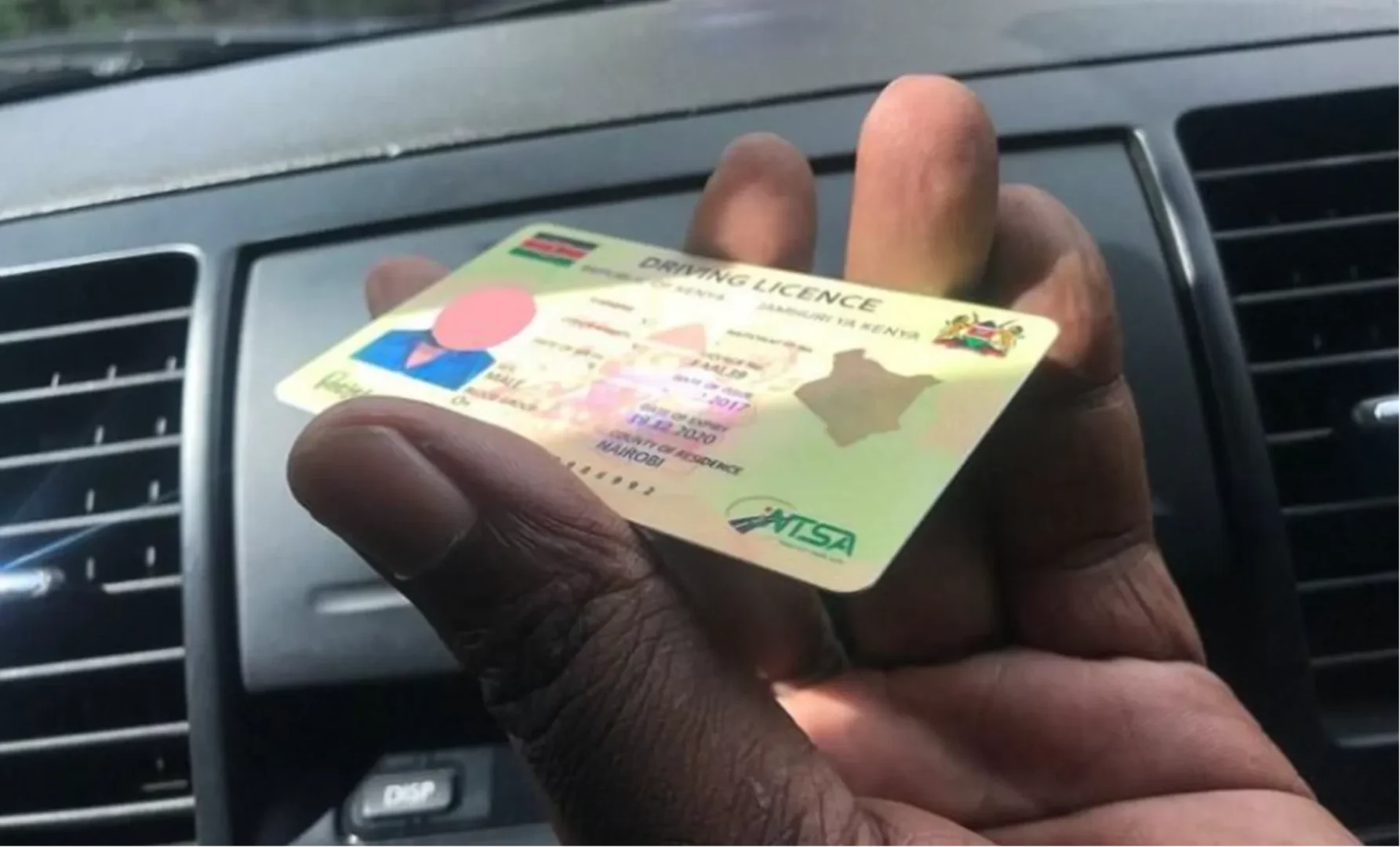
NAIROBI, Kenya — In a major move to digitize the nation’s transport sector and curb rising road accidents, the Cabinet has officially approved the rollout of second-generation smart driving licenses.
According to a Cabinet dispatch released on Monday, December 15, 2025, these advanced licenses will be introduced through a Public-Private Partnership (PPP) model.
The initiative aims to align Kenya’s licensing system with international standards while introducing high-tech enforcement tools that have been in development for several years.
Integrated smart features
The second-generation license is more than just an identification card; it is an embedded chip-based card capable of storing a driver’s complete history, biometric data, and traffic violations.
The Cabinet noted that this new system will be “fundamental” in modernizing the country’s licensing framework.
“Through innovative financing, Cabinet approved the rollout of Second-Generation Smart Driving Licences under a public–private partnership, integrating smart licences with an instant fines system, mobile licence wallet and driver merit and demerit points to enhance road safety and modernise licensing,” the dispatch read.
Key features of the new cards include:
- Instant fine system: Direct integration with digital payment platforms for immediate penalty settlement.
- Driver merit/demerit points: A system where points are deducted for traffic infractions, potentially leading to automatic license suspensions.
- Mobile license wallet: Enabling drivers to access their digital credentials via mobile applications.
The IRSMS and mandatory re-tests
This technological shift follows a recent announcement by the National Transport and Safety Authority (NTSA) regarding the Intelligent Road Safety Management System (IRSMS). The system monitors vehicle speed, braking habits, and route adherence for commercial fleets and Public Service Vehicles (PSVs).
Also Read: NTSA launches nationwide compliance checks for drivers and passengers
NTSA Director General Angela Wanjira confirmed on Sunday, November 16, 2025, that the authority is now using this digital data to flag “rogue” drivers for mandatory re-testing. This crackdown is particularly focused on reducing fatalities during the high-risk December festive season.
“The retest of the drivers will be vital to prevent road accidents during the festive season,” Wanjira stated, emphasizing that the IRSMS analyzes violations in real-time to generate alerts for safety breaches.
Impact on road safety
By shifting to a PPP model for financing and rollout, the government aims to reduce its reliance on direct taxation while accelerating the replacement of the old “red booklet” licenses.
The integration of the demerit point system is expected to force a behavioral change among motorists, as the card will act as a permanent, unalterable record of their conduct on the road.
The second-generation cards are also designed to feature enhanced security to eliminate the production of counterfeit documents, which has historically hampered traffic enforcement in Kenya.