


CANBERRA, Australia — In a globally unprecedented move, Australia has enforced a ban prohibiting children under the age of 16 from accessing social media platforms.
The landmark legislation, which took effect shortly after midnight local time, aims to protect adolescents from the pervasive harm caused by what the government terms “predatory algorithms.”
The new laws mandate that popular platforms, including Facebook, Instagram, YouTube, and X, must purge Australian-based users younger than 16.
Companies failing to comply face substantial penalties, with fines reaching up to A$49.5 million (US$33 million). Australia now stands as one of the first nations to implement such forceful governmental regulation against influential global technology corporations.
Prime Minister Anthony Albanese defended the drastic measures, framing the decision as essential for the nation’s cultural future.
“Enough is enough,” Prime Minister Anthony Albanese said.
He continued, emphasizing the magnitude of the regulatory shift: “It is one of the biggest social and cultural changes that our nation has faced. We will take back control.”
The government asserts these measures are necessary to shield children from online dangers, including bullying, sexual content, and violence disseminated via algorithmic feeds.
Immediate impact and parental support
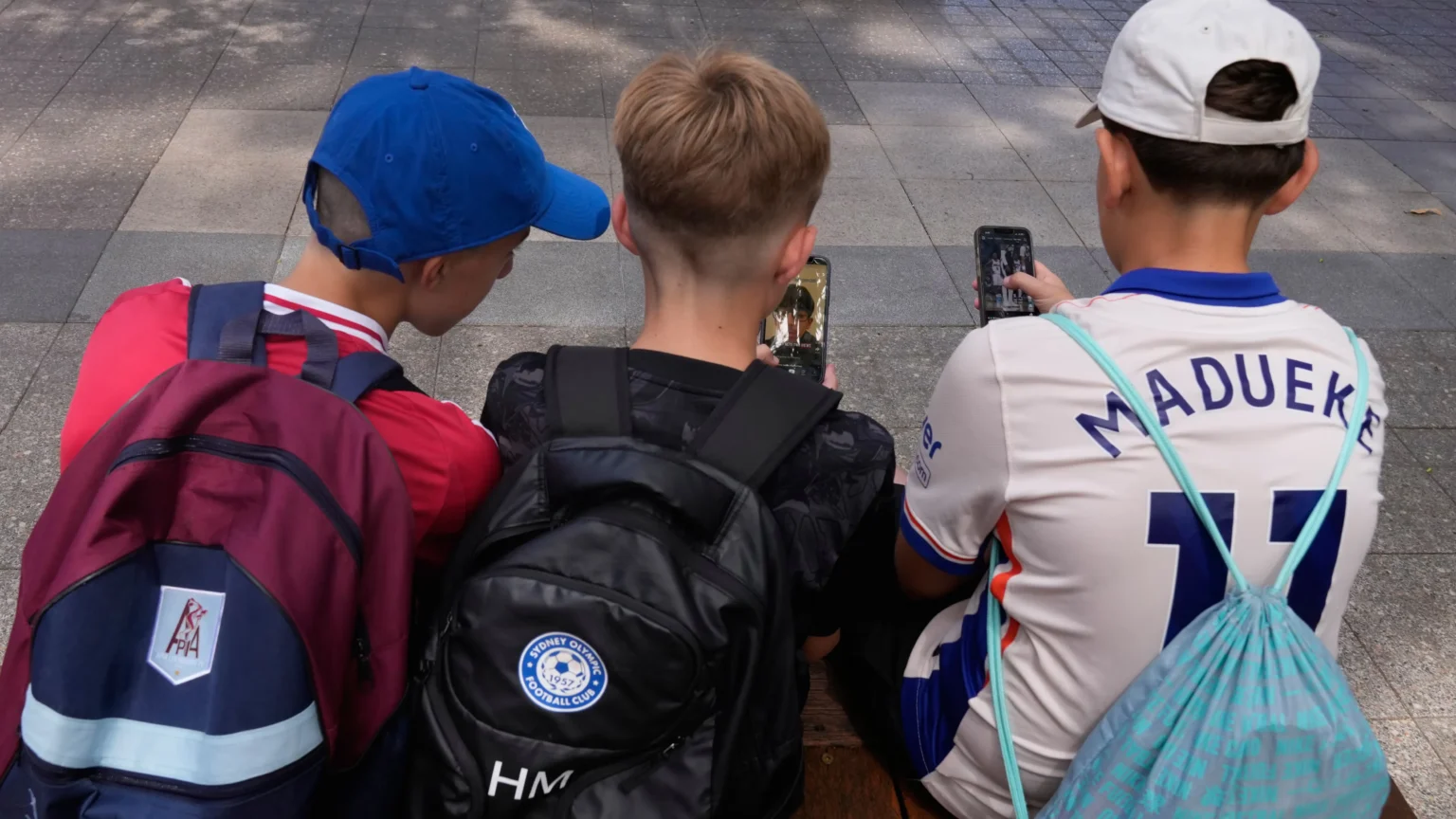
The implementation of the ban resulted in hundreds of thousands of adolescents waking up to find themselves locked out of their daily applications.
The restricted platforms now include, but are not limited to, Meta properties (Facebook, Instagram, Threads), Google’s YouTube, TikTok, Snapchat, Reddit, Kick, and Twitch.
The ban has been widely applauded by parents and advocates concerned about the negative mental health impacts of excessive screen time.
Mia Bannister, whose teenage son died by suicide last year after online bullying and exposure to harmful dieting videos, spoke out ahead of the ban.
“I’m sick of the social media giants shirking responsibility,” she told AFP in the lead-up to the ban.
She added a poignant caution about the technology: “The problem is we hand them a phone and we hand them the greatest weapon we could hand them.”
Father-of-five Dany Elachi supported the government’s move, calling the restrictions a long-overdue “line in the sand.” “We need to err on the side of caution before putting anything addictive in the hands of children,” he told AFP.
However, the ban was not universally welcomed. Ten-year-old Bianca Navarro expressed sadness over the years she would have to wait to regain access to YouTube: “It will be pretty sad because I have six years until I can watch it,” she told AFP.
Industry pushback and loopholes
While many platforms have reluctantly agreed to comply, the regulation has faced staunch criticism from major tech corporations.
Meta, the parent company of Facebook and Instagram, argued that the law may be counterproductive.
The US-based firm stated: “We’ve consistently raised concerns that this poorly developed law could push teens to less regulated platforms or apps.”
The company noted this concern is already materializing: “We’re now seeing those concerns become reality.”
Echoing this sentiment, Elon Musk’s X informed younger users that the restriction was “not our choice” but rather “what the Australian law requires.”
Indeed, lesser-known applications like Lemon8 and yope, which are currently exempt from the ban, have surged in Australian download charts, suggesting adolescents are actively seeking alternative digital spaces.
Also Read: Australian police develop AI tool to decipher Gen Z slang and emojis used by online predators
The efficacy and legal standing of the ban remain under scrutiny. The Australian government acknowledges that determined teenagers will find ways to circumvent the rules, but the threat of large fines hinges on platforms failing to take “reasonable steps” to prevent access.
Methods platforms are considering for age verification include AI-based estimation and requesting government ID uploads.
Legal challenges are also anticipated, with online discussion site Reddit rumored to be seeking an appeal in the High Court.
An Australian internet rights group has already launched a bid to challenge the ban and have teenagers reinstated on the platforms.
The development will be closely monitored globally, with countries like New Zealand and Malaysia already considering similar restrictions.