



NAIROBI, Kenya — Kenya has activated its highest level of health surveillance and emergency response protocols following the confirmation of a deadly Marburg Virus Disease (MVD) outbreak in neighboring Ethiopia.
With the World Health Organization (WHO) classifying the national risk in Ethiopia as high, Kenyan authorities are racing to secure borders and prevent the hemorrhagic fever from crossing into the country.
Government response: “A very serious disease”
Public Health Principal Secretary Mary Muthoni has confirmed that the Ministry of Health has deployed rapid response teams and intensified screening measures at all points of entry, including Jomo Kenyatta International Airport (JKIA) and land borders connecting the two nations.
Speaking during a community health engagement in Mbeere North, PS Muthoni issued a stark warning to the public, drawing parallels between the threat posed by Marburg and the disruption caused by the COVID-19 pandemic.
“I want to announce to you that in Ethiopia, a disease has been discovered called Marburg, and it is a very serious disease, which, if by any chance it is transmitted to Kenya, it can be very bad news, just like COVID,” Muthoni stated.
She emphasized that the government is not taking chances, noting that surveillance teams are already on the ground to monitor travelers and swiftly isolate any suspected cases.
The outbreak: What we know
The alarm was raised after the World Health Organization (WHO) and Ethiopian authorities confirmed the outbreak in Jinka town, within the South Ethiopia Regional State.
- Timeline of detection: The initial alert came on November 12, 2025, when reports of suspected viral hemorrhagic fever emerged.
- Confirmation: By November 14, 2025, molecular testing by the Ethiopian Public Health Institute positively identified the Marburg virus in patient samples.
- Current toll: As of November 20, authorities have conducted 33 laboratory tests. These have resulted in six confirmed cases, three of which have been fatal. Additionally, three probable cases involving patients who died before testing could be conducted have been epidemiologically linked to the outbreak.
Ethiopian health officials are currently monitoring 206 contacts, a critical step in breaking the chain of transmission.
Understanding the threat
Marburg Virus Disease is a highly virulent hemorrhagic fever belonging to the same family as Ebola.
It has a terrifying case fatality rate that can reach up to 88% if untreated, although early supportive care significantly improves survival chances.
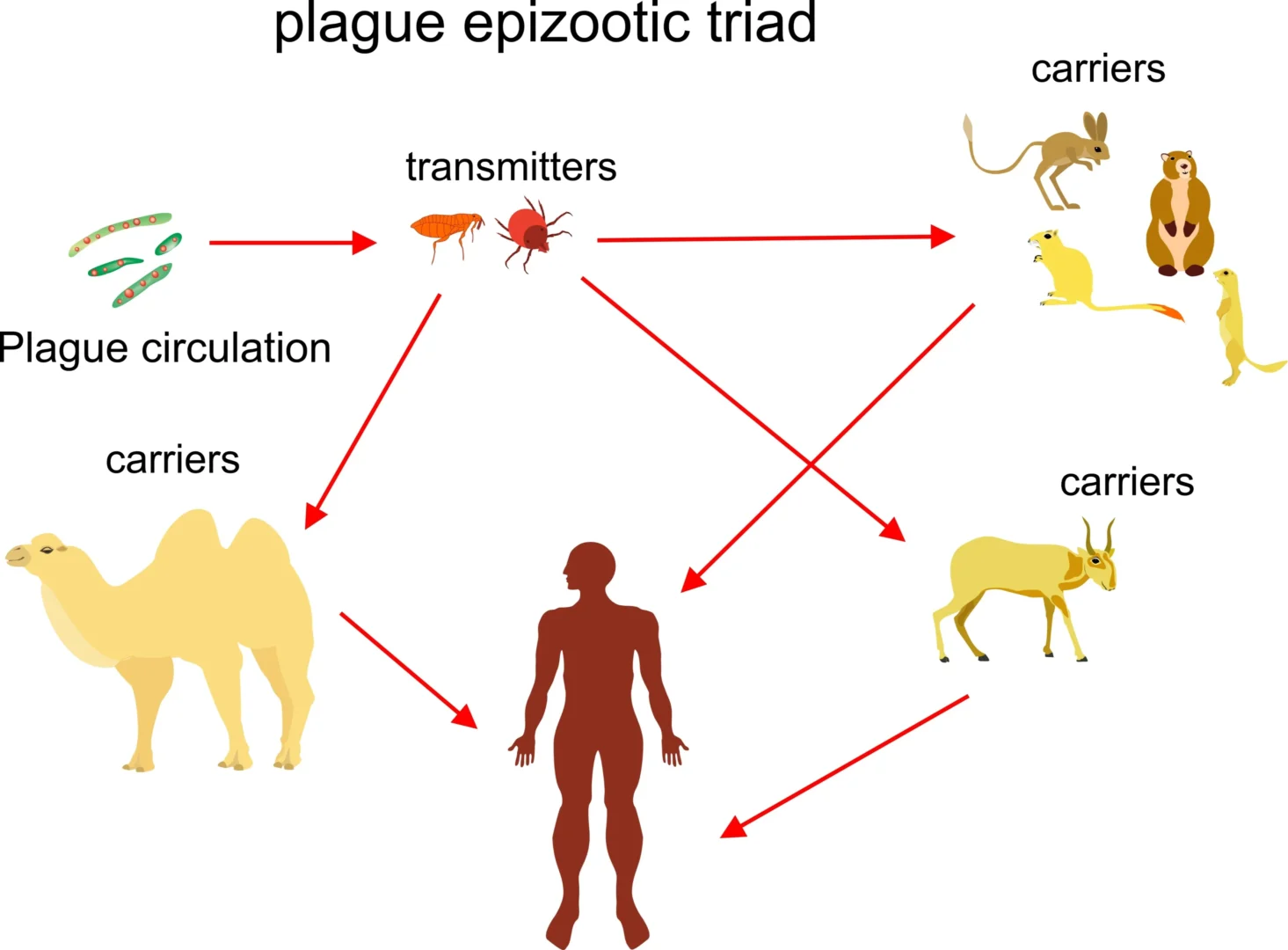
Transmission and risk:
- Animal to human: The virus is initially transmitted to people from fruit bats.
- Human to human: It spreads rapidly through direct contact with the bodily fluids (blood, saliva, vomit) of infected persons or contaminated surfaces like bedding.
- High-risk groups: Healthcare workers and family caregivers are at the highest risk of infection.
Is there a cure? Treatment options
Currently, there are no specific antiviral treatments or licensed vaccines available for Marburg Virus Disease, although clinical trials for potential candidates are ongoing.
According to the World Health Organization (WHO), while a definitive cure remains elusive, a range of blood products, drug therapies, and immune treatments are currently under development.
In the meantime, medical intervention focuses on supportive care to significantly improve survival rates. This involves:
- Rehydration: Administering oral or intravenous fluids to prevent dehydration.
- Symptom management: Treating specific symptoms as they arise.
- Transfusions: Using blood transfusions to replace blood lost during the hemorrhagic phase of the disease.
How can it be contained?
Stopping the spread of Marburg requires strict adherence to safety protocols, particularly regarding interaction with animals and burial practices.
1. Avoid bushmeat and animals: International health organization Gavi advises people in affected regions to avoid handling or consuming bushmeat, a known vector for zoonotic transmission. Additionally, the WHO warns against contact with pigs in areas where an outbreak has been confirmed.
2. Safe Burial Practices: The virus remains incredibly infectious even after death. Authorities emphasize that those burying victims must avoid touching the body directly. Safe, dignified burial teams equipped with protective gear are essential to breaking the chain of transmission.
3. Sexual transmission precautions: The virus can persist in certain body fluids even after recovery. Men who have survived the virus are strongly advised to practice safe sex and use condoms for 12 months following the onset of symptoms, or until their semen tests negative for the virus on two separate occasions.
Global and regional support
The WHO has assessed the risk as high at the national level for Ethiopia, moderate regionally, and low globally.
The organization is actively supporting the Ethiopian government by coordinating outbreak response, strengthening laboratory capacities, and supplying medical resources for case management.
Kenya’s Ministry of Health continues to urge citizens to remain vigilant and report any symptoms, such as high fever, severe headache, and unexplained bleeding, to the nearest health facility immediately.
