


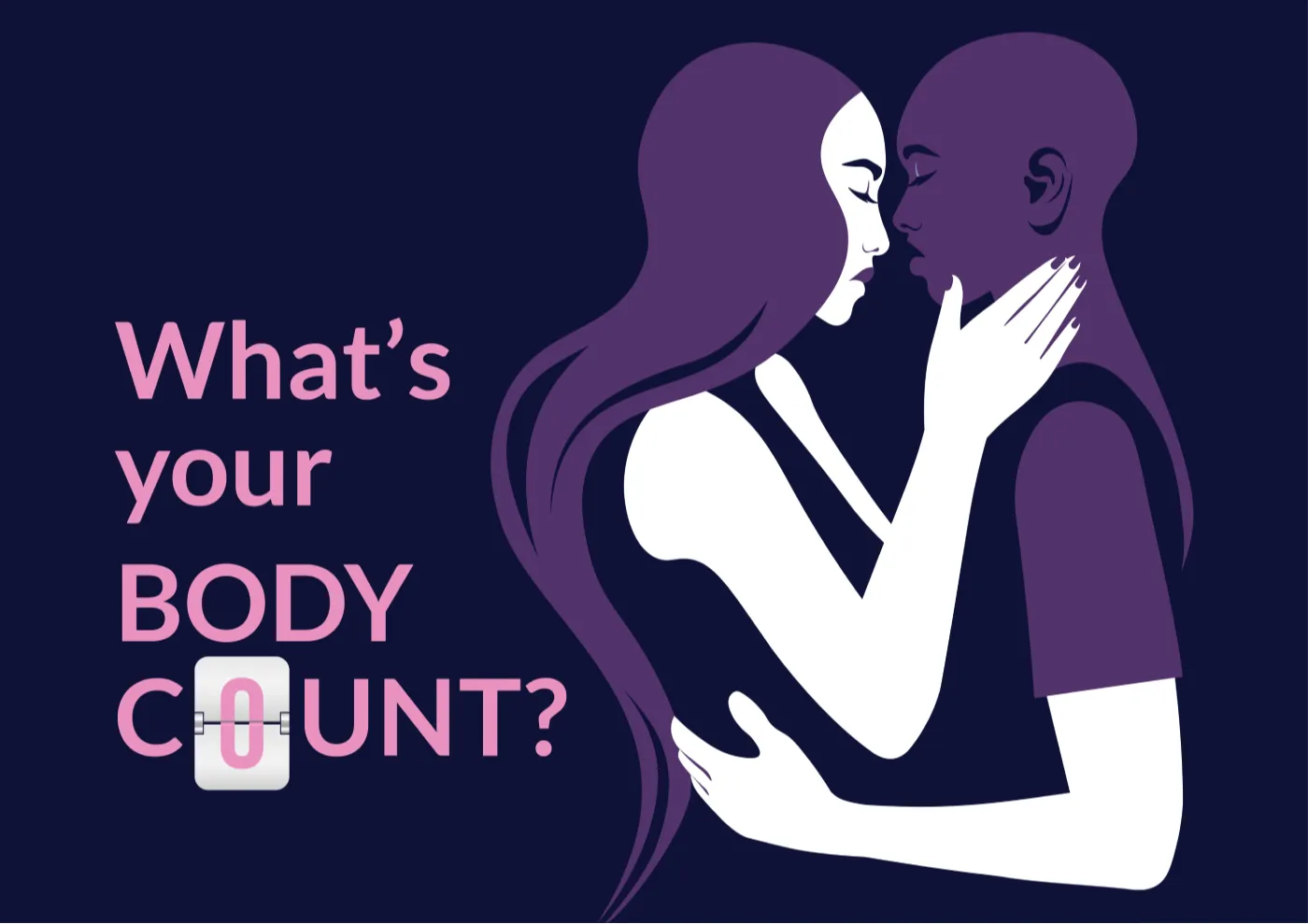
NAIROBI, Kenya — The concepts of virginity and “body counting” are not tangible realities but deeply ingrained societal constructs — historically weaponized within patriarchal systems to police and control women’s bodies, sexuality, and choices.
For centuries, patriarchy has positioned a woman’s premarital status as the ultimate symbol of purity and, critically, as the repository of her family’s honor.
Across many cultures, a woman’s perceived value has been tied to her virginity at marriage — a transition often marked by painful rituals that elevate male expectations over female agency, pleasure, and consent.
The virginity trap: Decentering male expectations
Choosing to wait before engaging in sexual activity can be an empowering and personal decision when it stems from self-discovery, bodily awareness, or personal goals.
However, as feminist scholars argue, when abstinence is reserved solely “for a husband,” the focus shifts entirely toward male validation — turning a personal choice into a patriarchal expectation.
As one perspective puts it: “I’m waiting because I want to achieve my dreams, understand myself better, and clarify my future.”
Contrast this with: “I’m waiting so my future husband will respect me.”
The difference reveals where autonomy ends and external approval begins. Unless the decision to wait is made independent of male expectations, it reinforces a system that defines women’s worth through men’s perceptions rather than their own self-determination.
The weapon of the body count
The modern obsession with a woman’s “body count” — the number of her sexual partners — is another means of shaming, judging, and controlling women. Society routinely devalues women with a “high count” while simultaneously glorifying men for similar behavior.
Also Read: 51% of Nairobi women are open to polygamy, new report says
This double standard exposes a deeper hypocrisy: for men, sexual history is rarely linked to morality, respectability, or marriageability. In contrast, women’s sexuality becomes a moral litmus test — transforming intimacy into a monitored mathematical project.
The practice of “body counting” dehumanizes women, reducing them to numbers and stripping them of dignity. It perpetuates abuse and reinforces stigma, particularly against women in sex work, who are often treated as disposable and denied justice because society views their bodies as “public property.”
When the system looks away
Society’s supposed moral defense of “virginity” often conceals deep hypocrisy. If the true concern were the protection of girls and women, there would be no tolerance for practices such as forcing girls as young as fourteen into marriage — what the author aptly calls “legalized child molestation.”
“We turn a blind eye when children are subjected to repeated rape in the name of marriage.”
This contradiction reveals that the real issue isn’t morality or numbers — it’s female autonomy. Society only seems to care when women choose to act on their own terms, pursue pleasure without shame, or refuse to conform to imposed expectations. The backlash is directed not at immorality, but at independence.
Reclaiming autonomy and freedom
The message to women is clear and defiant: “You don’t owe anyone an explanation.”
True empowerment lies in reclaiming control over one’s body, choices, and narrative. As the author declares:
“Change the story — make the number higher, lower, or refuse to disclose it at all. Or better yet, ask him if he has enough cash to buy the counts.”
The moral is simple yet revolutionary: true freedom begins when the counting stops.
“You own your body, your pleasure, your choices — and no one else has the right to measure that. Reclaim your power. You are the owner of your body, the host of your body, and the only one who knows how to care for and preserve it.”
