



MAZAR-E-SHARIF, Afghanistan—A powerful earthquake struck northern Afghanistan early Monday morning, resulting in the deaths of at least 20 people and leaving hundreds injured, according to local authorities. The casualty figures are expected to rise as rescue operations continue across the affected region.
The earthquake, which struck near Mazar-e-Sharif, one of the country’s largest cities, occurred at approximately 01:00 local time (20:30 GMT Sunday).
The US Geological Survey measured the magnitude at 6.3 and reported a depth of 28km (17 miles). The seismic event was assigned an orange alert level, indicating that “significant casualties” are probable.
The Taliban government’s health ministry reported that more than 530 people have been injured.
Damage and Immediate Impact
Provincial officials had earlier cautioned that casualty figures were likely to climb as emergency teams assessed the damage.
Haji Zaid, a Taliban spokesman in Balkh province, where Mazar-e-Sharif is located, wrote on X that “many people are injured” in the Sholgara district, south of the city. He noted that they had received “reports of minor injuries and superficial damages from all districts of the province.”
He added that “Most of the injuries were caused by people falling from tall buildings.”
Many Mazar-e-Sharif residents, fearing their homes would collapse, rushed into the streets when the quake hit.
The tremors also caused a widespread power outage across Afghanistan, including the capital city, Kabul, after electricity lines originating from major suppliers Uzbekistan and Tajikistan were damaged.
A video posted by the Taliban spokesman in Balkh appeared to show debris scattered on the ground at the revered Blue Mosque in Mazar-e-Sharif, a 15th-century landmark sacred to Shia Muslims.
A region prone to disaster
The quake has renewed concerns over Afghanistan’s vulnerability to seismic activity. The country is highly prone to earthquakes due to its location atop a number of fault lines where the Indian and Eurasian tectonic plates converge.
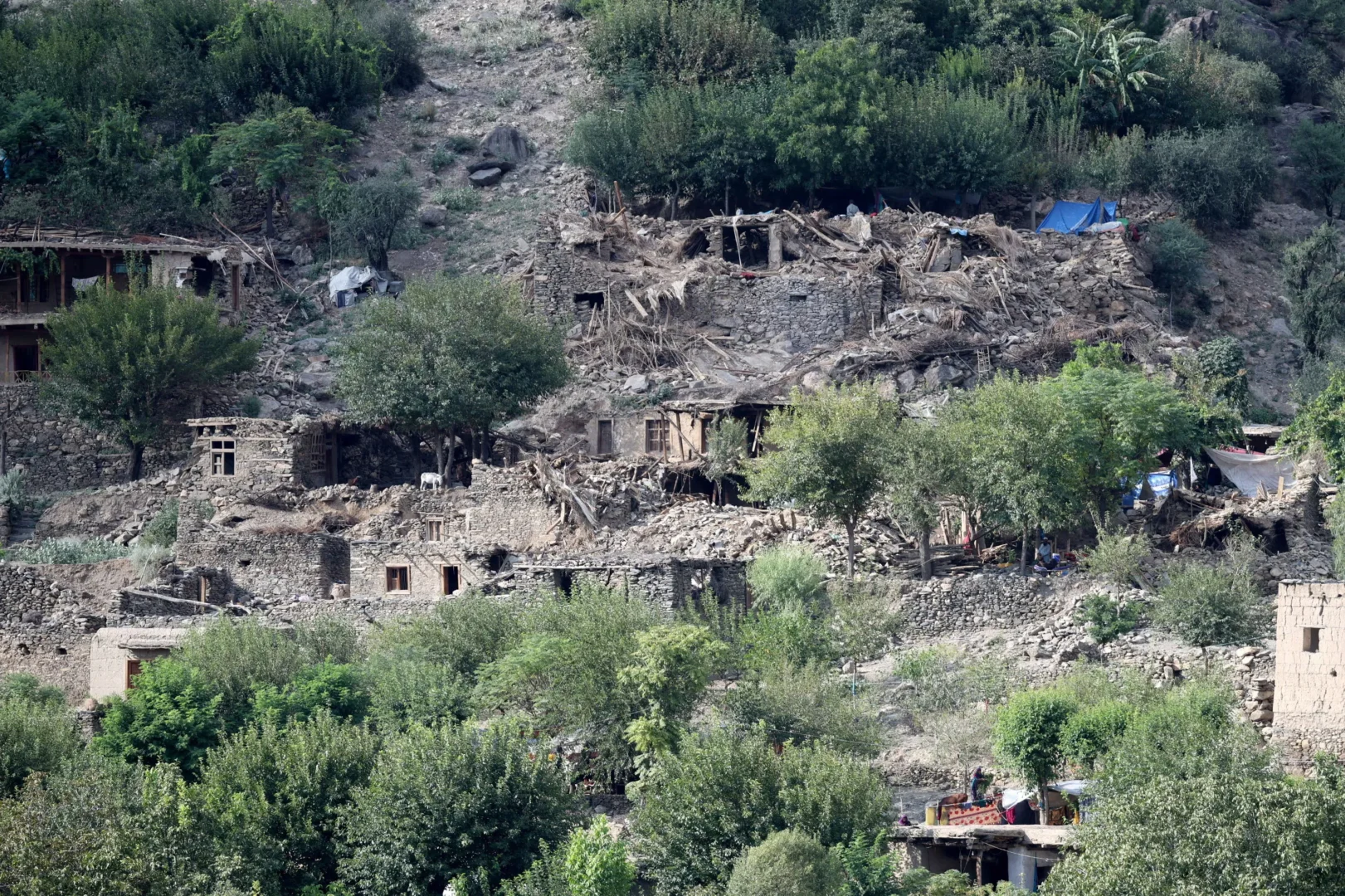
The Monday quake follows a similar 6.0 magnitude earthquake in the mountainous eastern region in late August, which killed more than 1,100 people.
That disaster was particularly deadly because many rural homes were constructed of non-earthquake-resistant mud and timber, trapping residents when the structures collapsed.
Poor communication networks and inadequate building infrastructure continue to hamper rapid rescue and relief efforts following such natural disasters.
Khalid Zadran, a Taliban spokesman for the police in Kabul, wrote on X that police are “closely monitoring the situation.”