


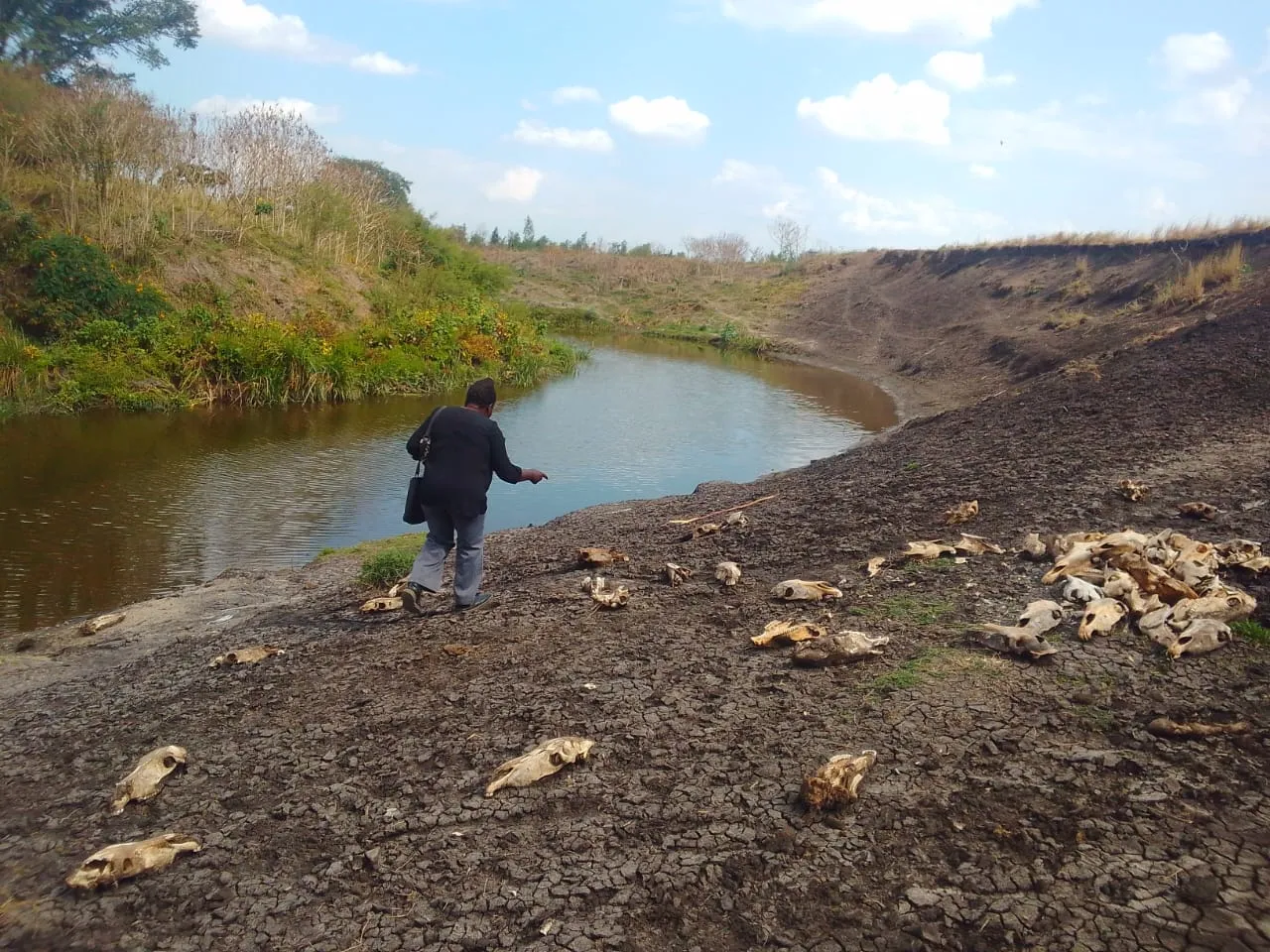
MACHAKOS, Kenya — Residents of the Kamulu area in Machakos County have voiced serious alarm over the alleged presence of an illegal donkey slaughterhouse operating out of a private residence near River Athi. The clandestine operation, situated close to the National Leather Park Company, is suspected of functioning under the protection of security personnel.
Area residents claim the illicit abattoir has been operating for a considerable period, managed by powerful cartels trading in donkey meat and skin.
An anonymous resident, speaking to Vivid Voice News, alleged a climate of fear surrounding the business: any individual who previously attempted to mention or share information about the illegal operation was reportedly attacked by gangs intent on protecting its existence.
These gangs, allegedly comprising local youth, are described as lethal and unforgiving toward anyone who leaks information about the private donkey slaughterhouse.
Their influence is feared even by local administrators from the national government, including area chiefs.
Evidence and alleged high-level links
Near the site of the alleged slaughterhouse, along the banks of River Athi, reporters observed hundreds of donkey skulls dumped, some retaining fresh meat.
One local, who requested anonymity, described the logistics of the operation: “Every week a white canter lorry transports donkey into the private home for slaughter overnight.”
Also Read: Uganda to import improved cattle breeds from Kenya, launches new anti-tick vaccine
Eyewitnesses further alleged that the white canter lorry is typically under heavy police escort to the premises.
Residents only discover the abandoned donkey remains along the river banks the following morning. At night, residents claim they hear the distinct voices of hyenas feeding on the dumped carcasses.
The operation is feared to be linked to high-level government officials involved in the donkey meat and hide business, with the donkey skin allegedly exported to international markets in China.
Further investigations into the supply chain suggest that most donkeys are acquired from border towns, including Namanga and Isinya.
They are transported by road using an animal transport permit usually intended for domestic use—a tactic reportedly employed to evade detection by police officers—and are then easily smuggled into the Kamulu area via Kitengela.
