


NAIROBI, Kenya — On September 9, at approximately 7:30 p.m., the nation was shocked by the news of the fatal shooting of prominent Nairobi lawyer Mathew Kyalo Mbobu.
The former chairman of the Political Parties Disputes Tribunal and a law lecturer at the University of Nairobi, Mbobu was killed while in traffic by assailants on a motorbike, as witnessed by the public and recorded by the police.
This incident marks the second high-profile assassination of a public figure in recent months, following the similar murder of Kasipul Member of Parliament (MP), Charles Ong’ondo Were, on April 30 at the City Mortuary roundabout.
That case, where suspects have been taken to court, involved a gunman trailing the MP’s car from the central business district.
A sector on the brink
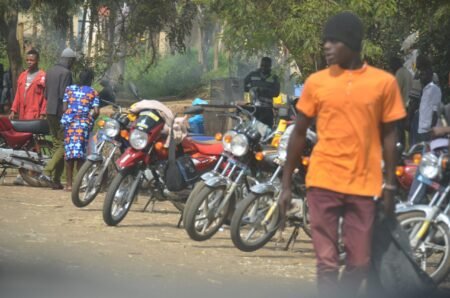
The use of motorbikes in these high-profile crimes has cast a shadow over the entire boda-boda sector, with associations denying responsibility and blaming unregistered operators.
The Mass Mobility Operators Association, through its chairman Nelson Mwangi, expressed its frustration. “We are calling on government to take action. Enough is enough.
They must act. We have not seen the CS for Interior, Transport or NTSA condemning these crimes,” they said.
In response to the growing trend of violence and mob justice, the Motorists Association of Kenya also weighed in.
According to the association’s Secretary, Wilfred Bosire, “Accidents, however tragic, must never be met with violence and mob justice. Kenya is a country governed by laws. Resorting to violence is anarchy. We call upon authorities to act and bring justice to all, not just to the victims of accidents, but also to owners of vehicles burnt.”
A pattern of violence and mob justice
The assassinations are just the most extreme examples of a larger pattern of impunity. Just a few days prior, on September 7, an irate mob of boda-boda riders in Thika’s Makongeni area torched a private Audi A3 hatchback after an accident involving a rider and his passenger.
The situation escalated when the vehicle owner shot the two, leading the gathered mob to set the car ablaze. The Independent Police Oversight Authority (IPOA) has initiated preliminary investigations into the matter.
In a similar incident on September 6, in the rural town of Luanda, Western Kenya, a mob of riders set fire to a 14-seat matatu after it fatally struck a boda-boda rider.
The irony was that the torched matatu belonged to another boda-boda SACCO, leaving its members inconsolable.
Just five days earlier, on September 1, riders set ablaze a Super Metro Sacco matatu near Juja town on Thika road after it allegedly killed a rider.
These incidents are just a fraction of the violence and lawlessness that has become a recurring concern.
One of the most brazen acts occurred on March 8, 2022, when a viral video showed boda-boda riders physically assaulting and sexually molesting a female motorist on Wangari Maathai Road after a road accident.
Also Read: Boda boda riders set Land Rover ablaze after accident on Thika Superhighway
This sparked a nationwide uproar, leading to a police crackdown that resulted in over 200 arrests and the seizure of more than 900 motorbikes.
The public reacted with anger and disbelief at the impunity with which these acts were being committed in broad daylight.
The regulatory and political minefield
Attempts to regulate the sector have repeatedly met with political and operational challenges. During the previous Jubilee administration, efforts to bring the sector under regulation through mandatory registration and training fell apart.
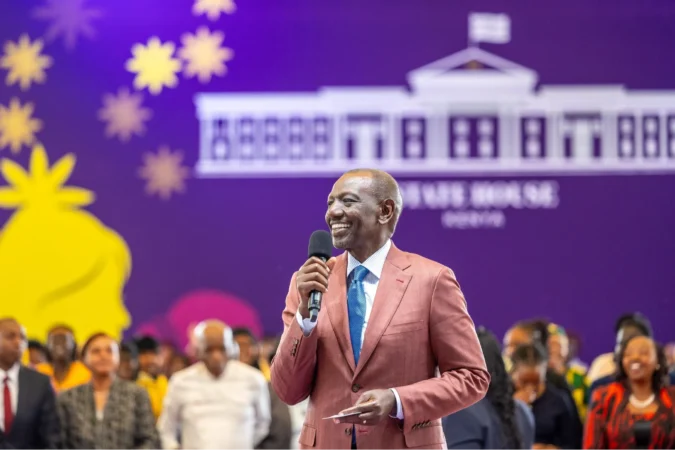
Then Deputy President William Ruto openly contradicted his government, siding with the riders—the emblems of his “bottom-up” campaign—and ordering the police to release all arrested riders and impounded motorbikes.
The struggle for regulation continues. In April of this year, Kakamega Senator Dr. Boni Khalwale sponsored the Public Transport (Motorcycle Regulation) Bill, 2023.
The proposed legislation seeks to introduce county-level Motorcycle Transport and Safety Boards and mandate SACCO membership for all riders. However, the bill is facing opposition not only from boda-boda riders themselves but also within Parliament.
National Assembly Majority Leader Kimani Ichung’wah dismissed the bill, arguing that it will not pass in the National Assembly unless it is drawn up in collaboration with the primary stakeholders who will be directly affected.
From economic lifeline to public threat
The haphazard and often violent nature of the boda-boda sector stands in stark contrast to its origin and economic importance. Before 2008, motorbikes were scarce in Kenya.
The removal of import duty in 2008 made them affordable, leading to a massive surge in their use as an informal transport system.
They quickly became a critical and flexible means of transport, providing jobs and filling a crucial gap in both urban and rural areas.
However, this growth has come at a grave cost to public safety and order. The sector is increasingly associated with crime, traffic accidents, and impunity.
Boda-boda operators have become notorious for flouting traffic rules and are now seen as a common element in targeted assassinations.
A public health and safety crisis
The lack of regulation has created a serious public health crisis. Data from the National Transport and Safety Authority (NTSA) for 2024 reveals a stark reality: over 4,700 lives were lost on Kenyan roads, an 11.8% rise from the previous year.
Of these, 1,166 were motorcyclists, and an additional 2,618 suffered serious injuries.
The NTSA attributes a majority of these accidents to reckless behavior, including speeding and a blatant disregard for traffic laws.
In response, the NTSA launched the National Road Safety Action Plan (2024–2028), which aims to improve regulation, increase enforcement, and enhance road infrastructure.
While the boda-boda sector is deeply entrenched as a source of employment, continuing to treat its symptoms of anarchy as isolated incidents is reckless.
The sector urgently needs regulation and accountability. As a writer recently noted, flooding an already saturated, low-income market with more boda-bodas is not empowerment.
He described it as “economic sabotage; the arithmetic of poverty.” The writer concluded, “Kenyans must wake up. We cannot boda-boda our way to prosperity!”